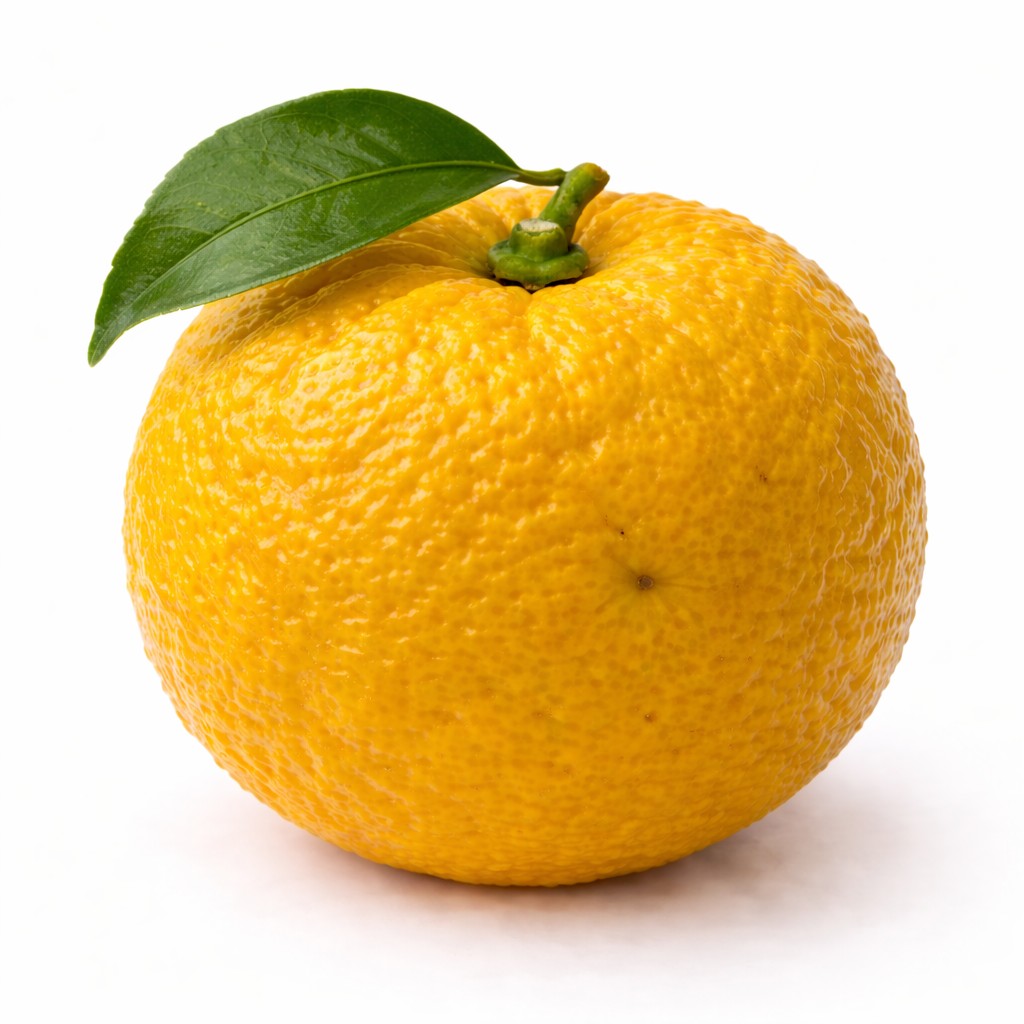
Yuzu is one of the most famous Japanese citrus fruits, valued for its powerful fragrance and unique flavor.
Overview
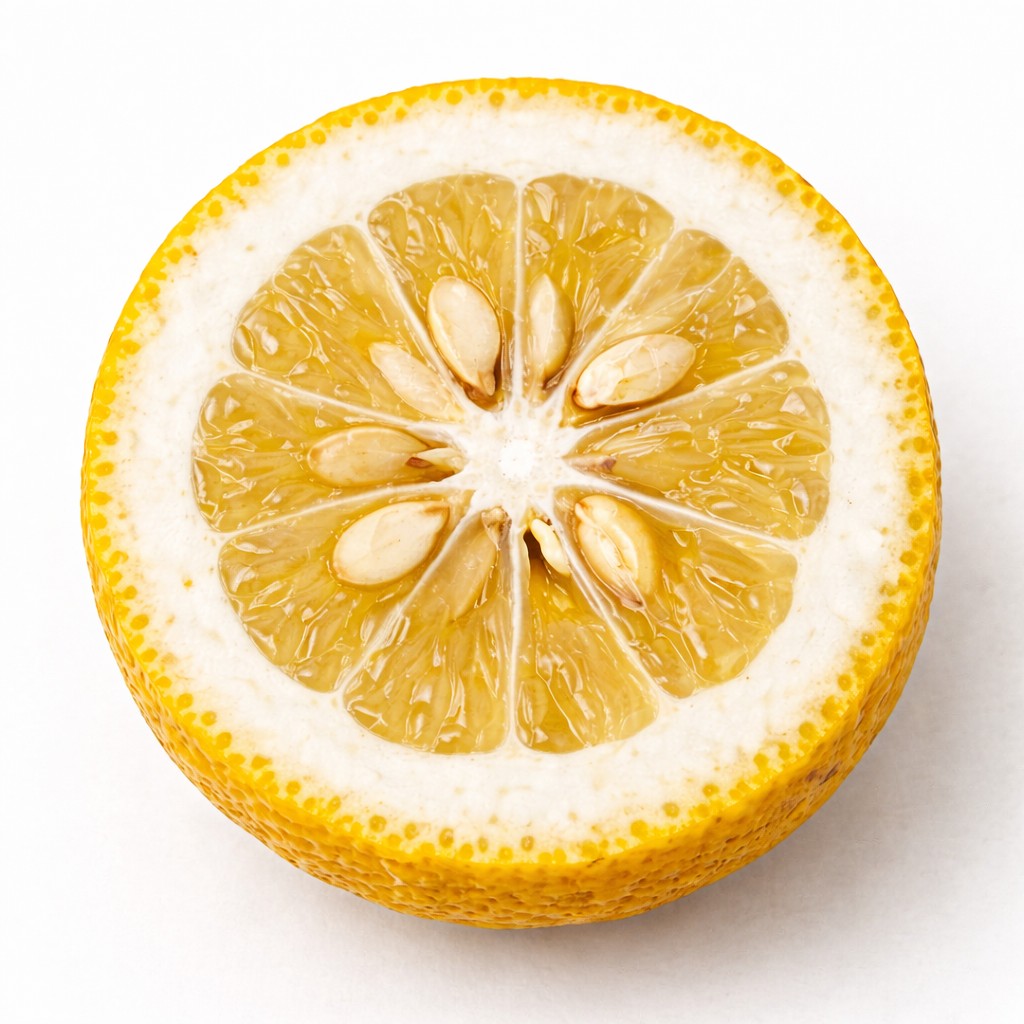
- Japanese name: Yuzu
- Type: Sour citrus
- Taste: Tart and aromatic
- Seeds: Many seeds
- Peel: Thick and fragrant
Flavor Profile
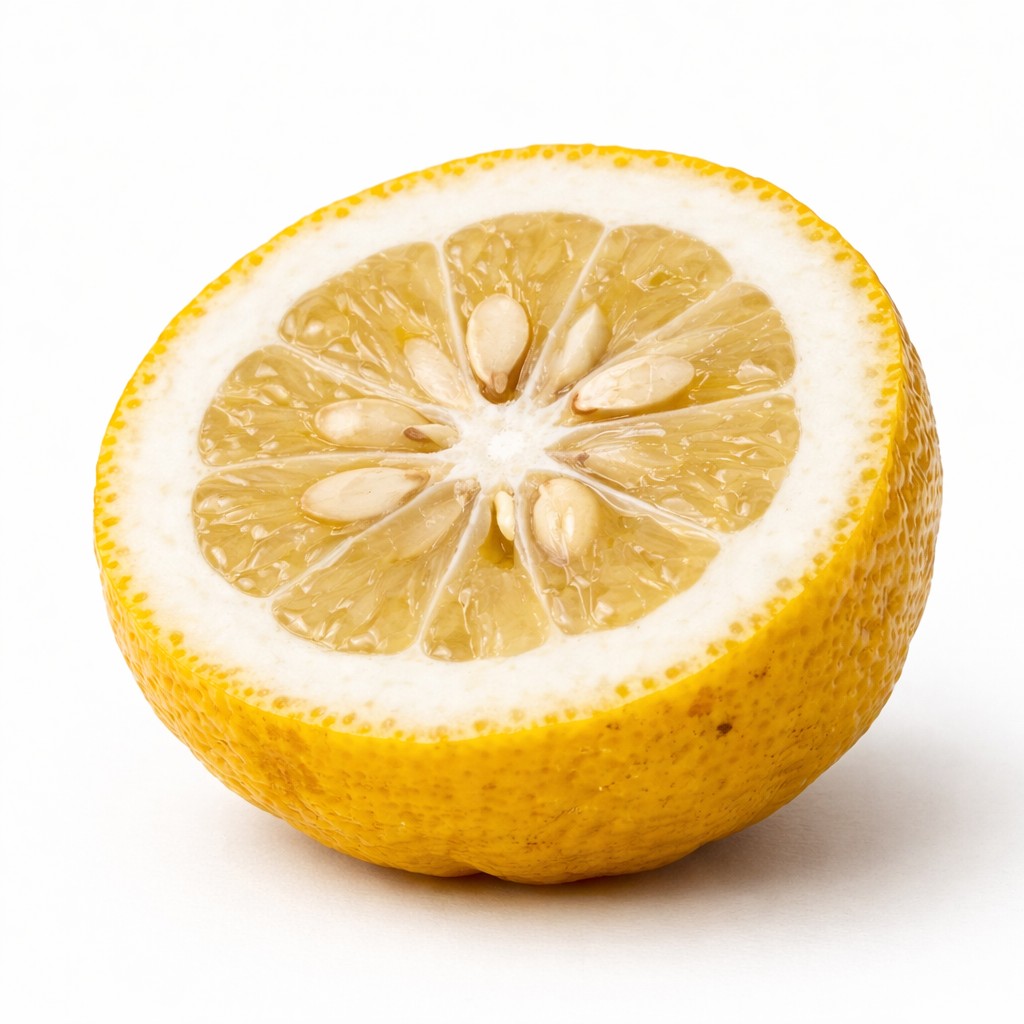
Yuzu has a strong citrus fragrance with sharp acidity. Both the juice and peel are widely used in Japanese cooking.
Related Japanese Citrus to Compare
- Sudachi – for a small, sharp, aromatic citrus used in cooking.
- Kabosu – for a milder green citrus often used with food.
- Amanatsu – for a larger tart citrus eaten fresh.
Is This Citrus Right for You?
- Best for: Cooking, aroma-focused use
- Not ideal for: Fresh eating as a fruit
- Taste profile: Very tart with intense fragrance
- Texture: Thick peel, limited pulp
- Best use: Cooking, sauces, drinks, garnish
Not sure how it compares to other citrus? See the best Japanese citrus ranked here →
Looking for sweeter options? See the sweetest Japanese citrus fruits →
Season
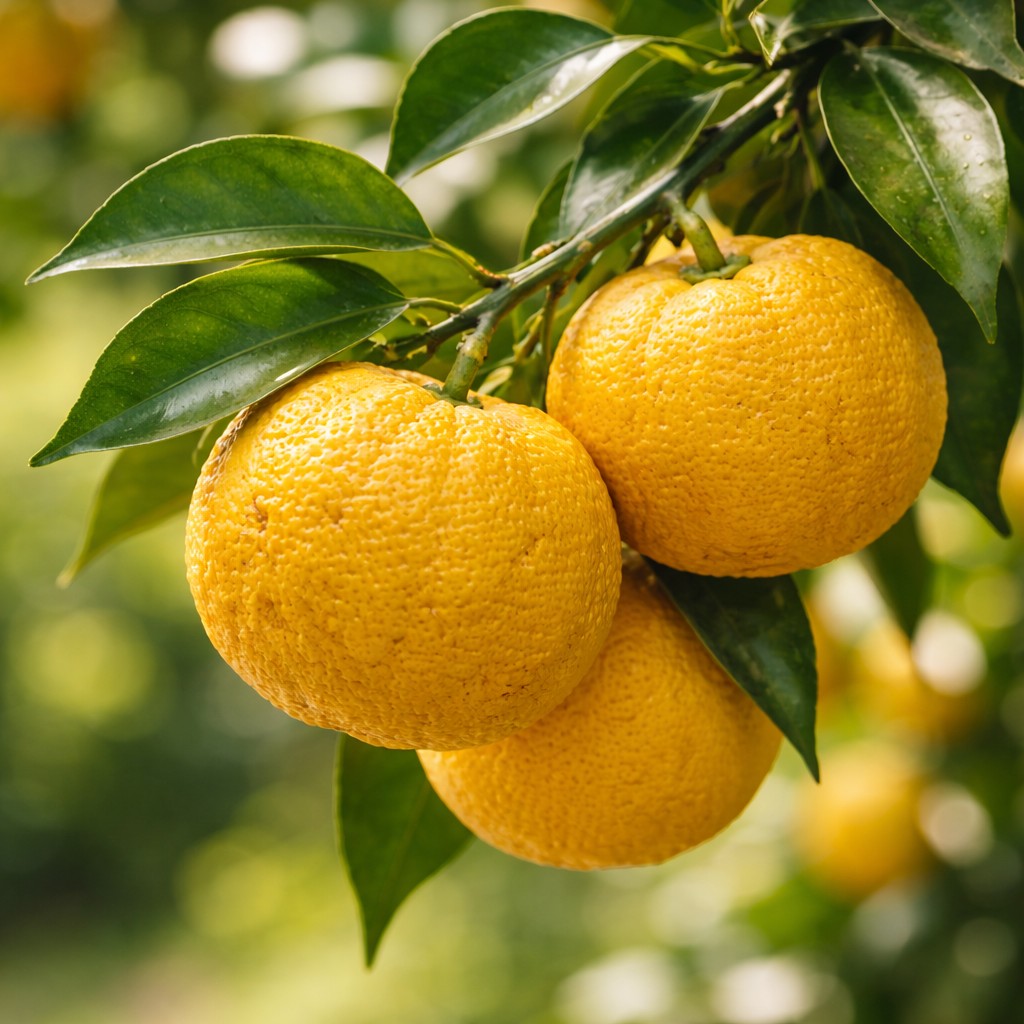
Yuzu is harvested mainly in late autumn and early winter.
Why It’s Popular
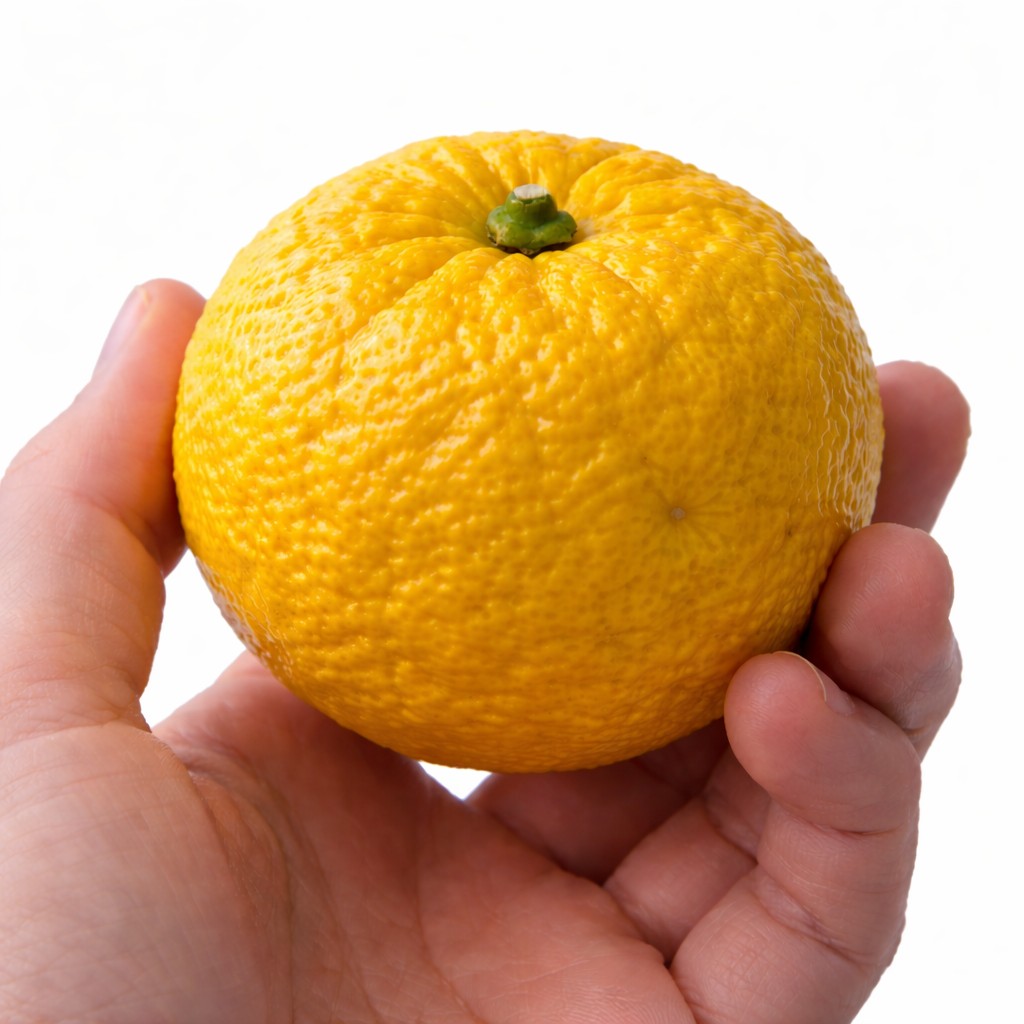
Its aromatic peel and juice are used in sauces, desserts, drinks, and even traditional baths.
In Japan, yuzu is strongly associated with winter traditions, especially yuzu baths taken around the winter solstice.
Many Japanese families place whole yuzu fruits into hot baths because the fresh citrus aroma is considered deeply relaxing during the cold season.
In some regions, neighbors or relatives may casually share extra yuzu during the season specifically for yuzu baths.
Yuzu baths are also traditionally believed to help improve circulation and warm the body during winter, likely connected to aromatic compounds such as limonene naturally found in the peel.
Homemade Yuzu Kosho
Some households in Japan make homemade yuzu kosho, but it is actually far more labor-intensive than many people realize.
Traditional yuzu kosho is made from green yuzu peel, green chili peppers, salt, and a small amount of yuzu juice. Despite the name “kosho,” black pepper is not used.
Preparing fresh green yuzu peel alone requires a huge amount of work because the peel must be finely grated by hand in large quantities.
The chili peppers are also extremely time-consuming to prepare. The seeds are usually removed carefully because too many seeds create excessive heat and an unpleasant texture.
After finely chopping the peppers, the mixture is repeatedly minced into a paste by hand before being combined with yuzu peel, salt, and juice.
Because chili pepper oils can strongly irritate the skin, some people even wear double gloves while preparing it and avoid touching their face entirely during the process.
The final mixture is then ground thoroughly in a mortar until the ingredients become fully blended into a smooth aromatic paste.
Store-bought yuzu kosho can seem expensive at first, but after making it by hand, many people feel the price is surprisingly reasonable considering the amount of labor involved.
Where It’s Grown
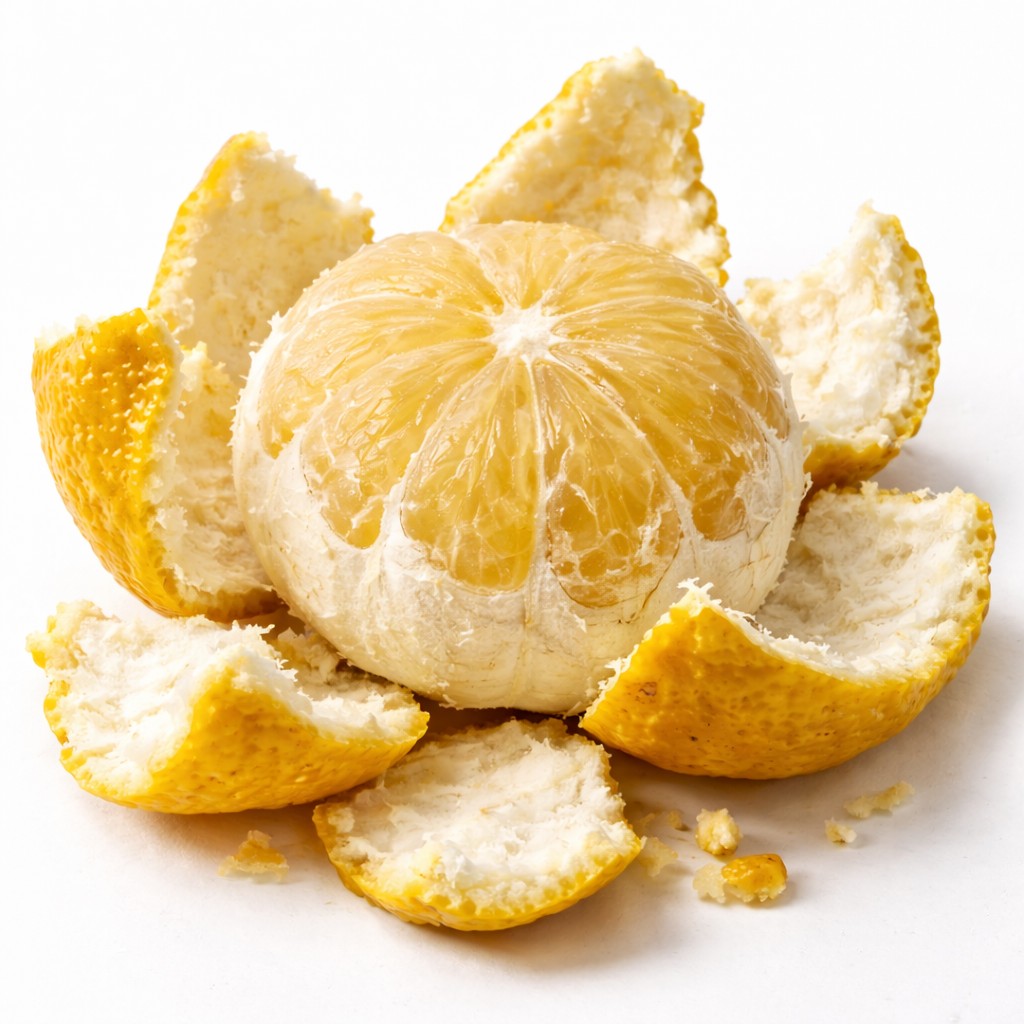
Yuzu is widely grown in Kochi, Tokushima, and other mountainous regions of Japan.