Amakusa
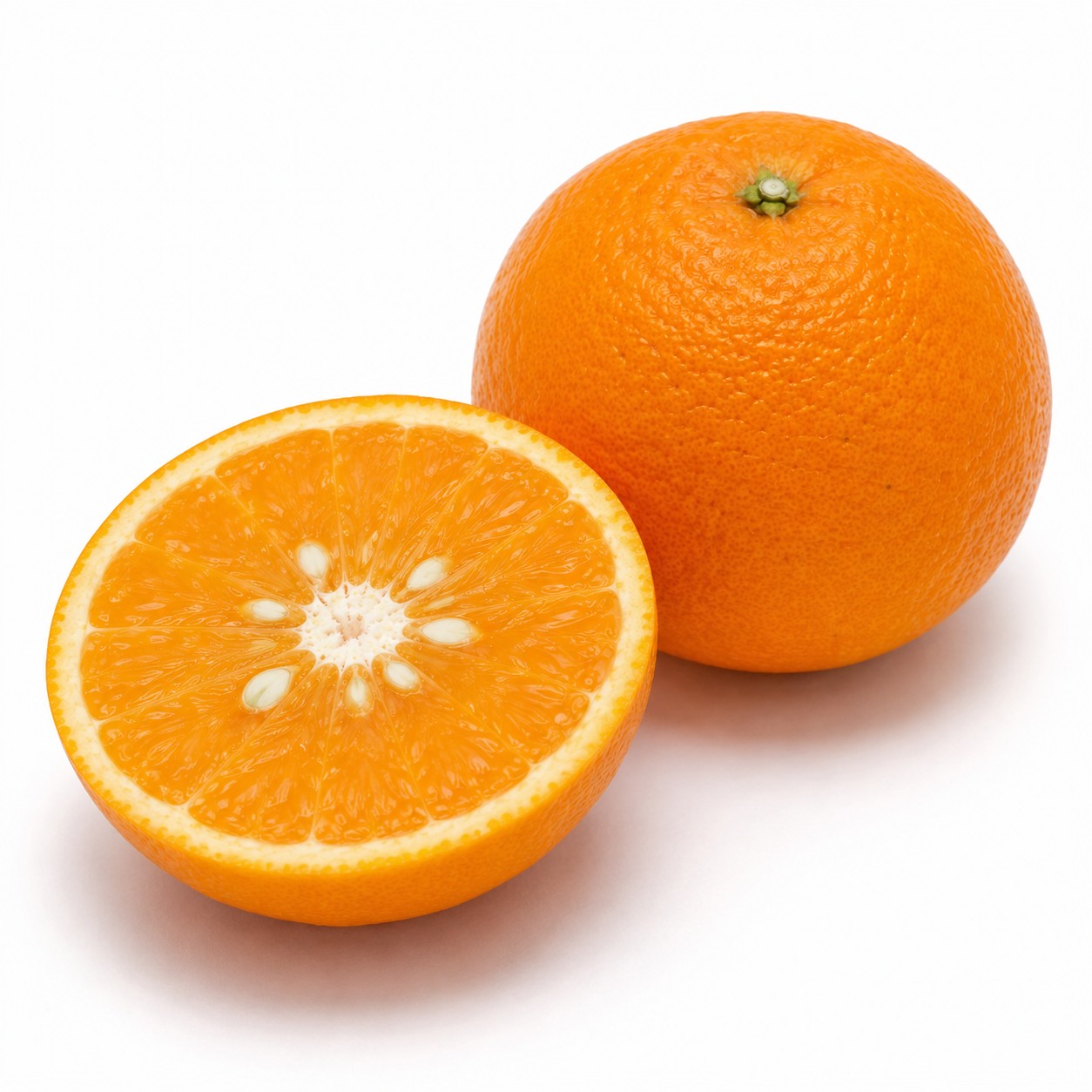
Amakusa is a sweet Japanese citrus fruit known for its soft texture, rich juiciness, and easy-to-enjoy flavor.
Overview
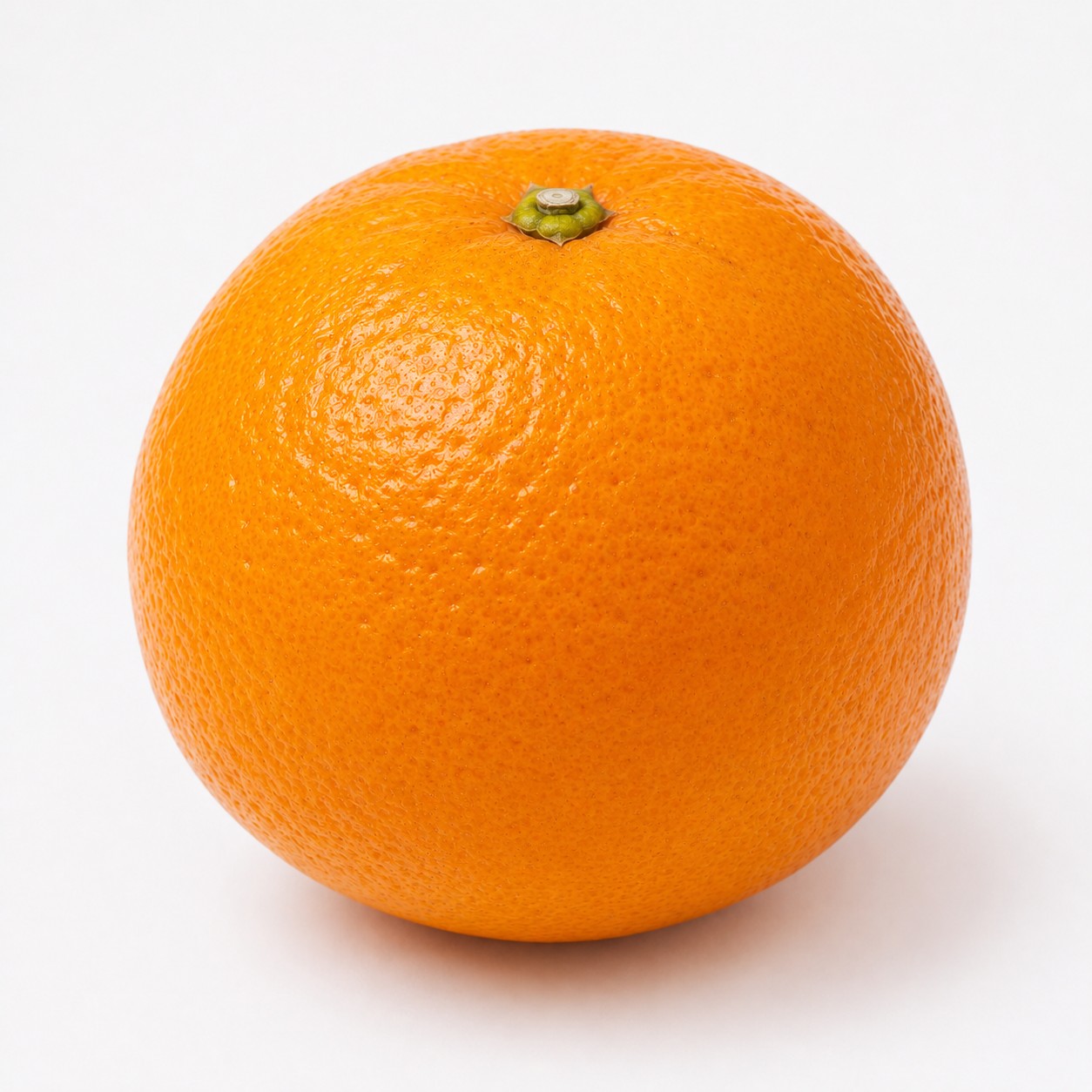
- Japanese name: Amakusa
- Type: Sweet mandarin-type citrus
- Taste: Sweet with low acidity
- Seeds: Usually few
- Peel: Moderately thin
Flavor Profile
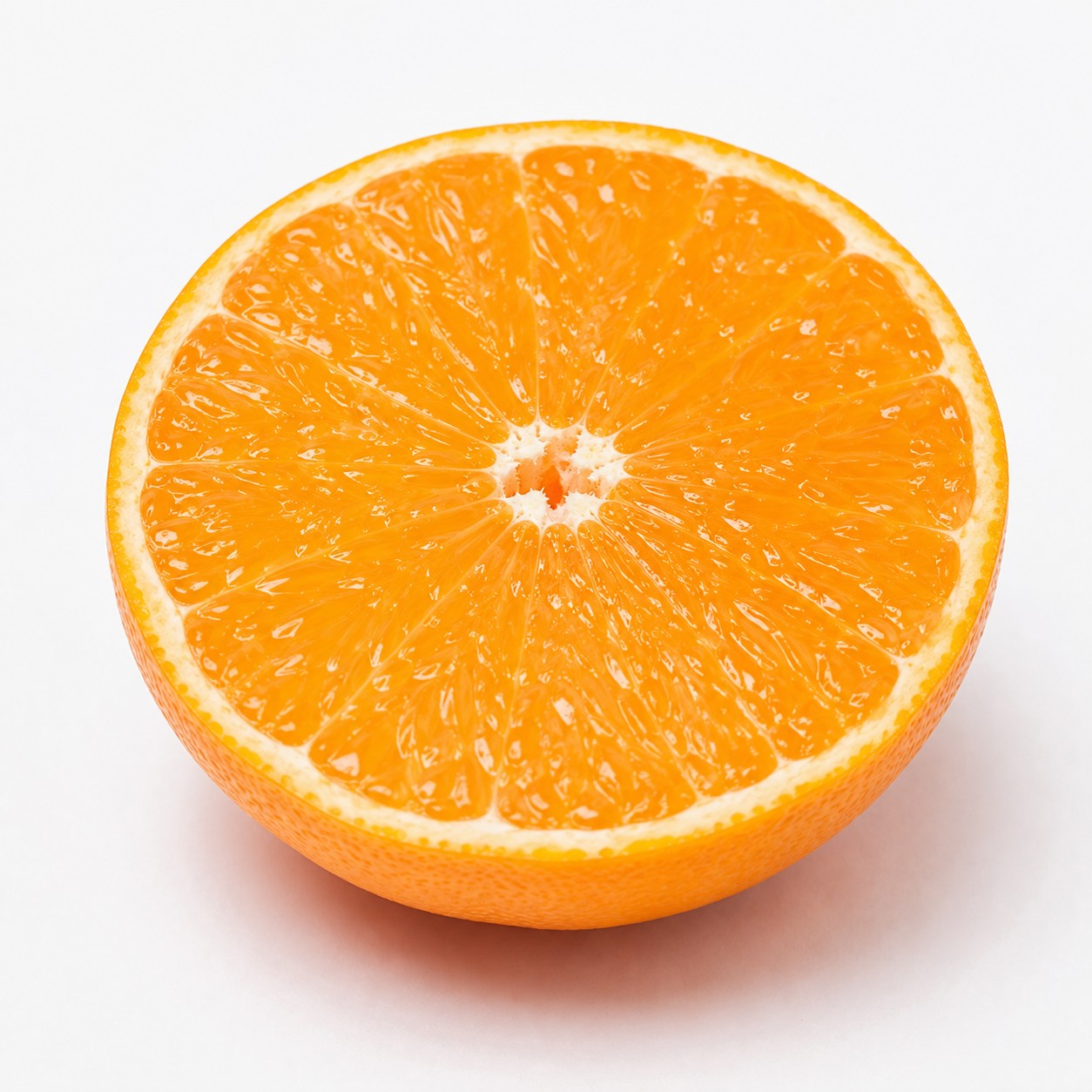
Amakusa offers mellow sweetness with low acidity and a soft citrus flavor. The flesh is juicy and tender, making it easy to eat fresh.
Related Japanese Citrus to Compare
- Harumi – for another sweet and soft citrus.
- Setoka – for richer sweetness and thinner peel.
- Unshu Mikan – for a classic everyday citrus.
Is This Citrus Right for You?
- Best for: Sweet citrus lovers and easy fresh eating
- Not ideal for: People seeking strong acidity or bitterness
- Taste profile: Mild sweetness with low acidity
- Texture: Soft and juicy
- Best use: Fresh eating, casual premium citrus
Looking for sweeter options? See the sweetest Japanese citrus fruits →
Season
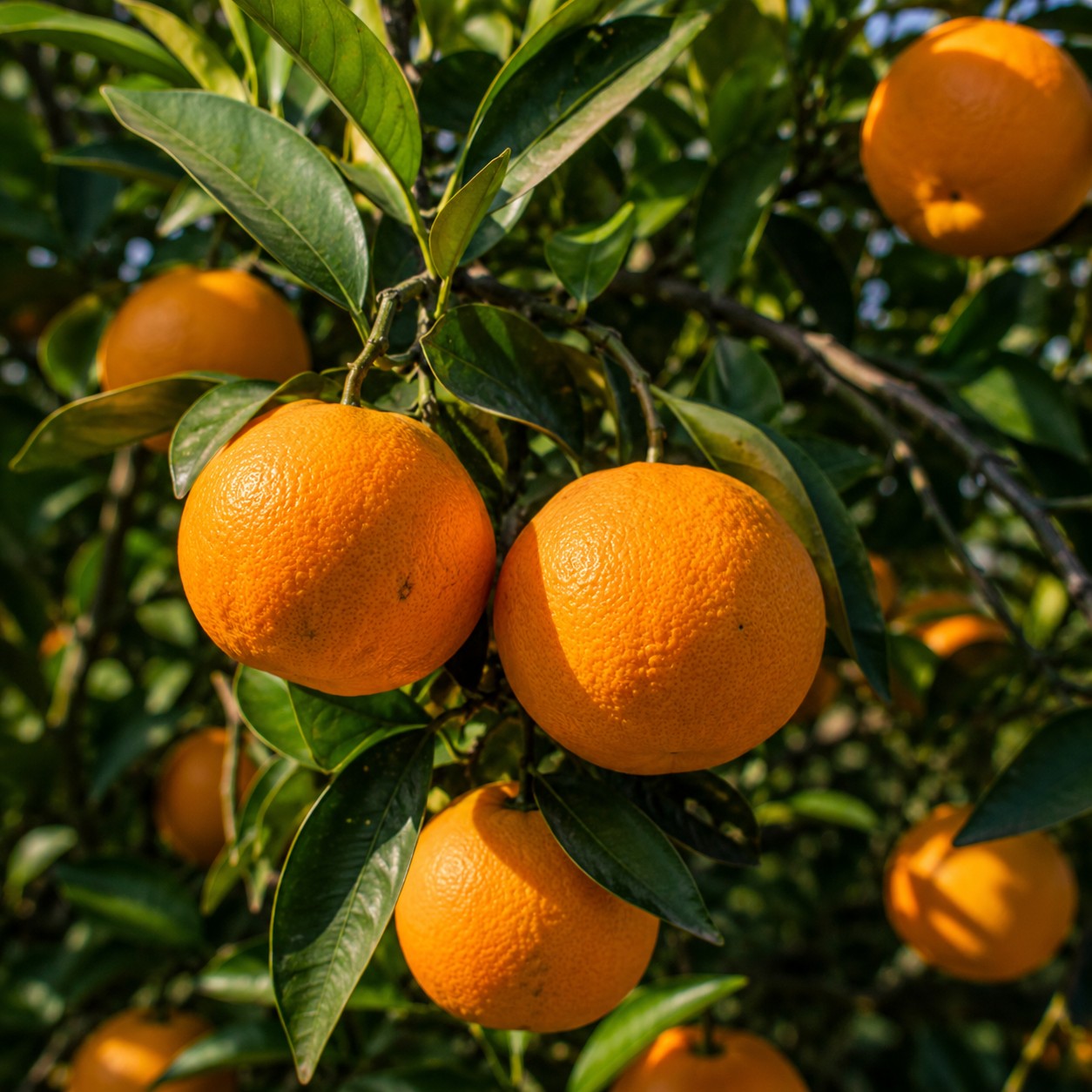
Amakusa is typically harvested from winter through early spring.
Why It’s Popular
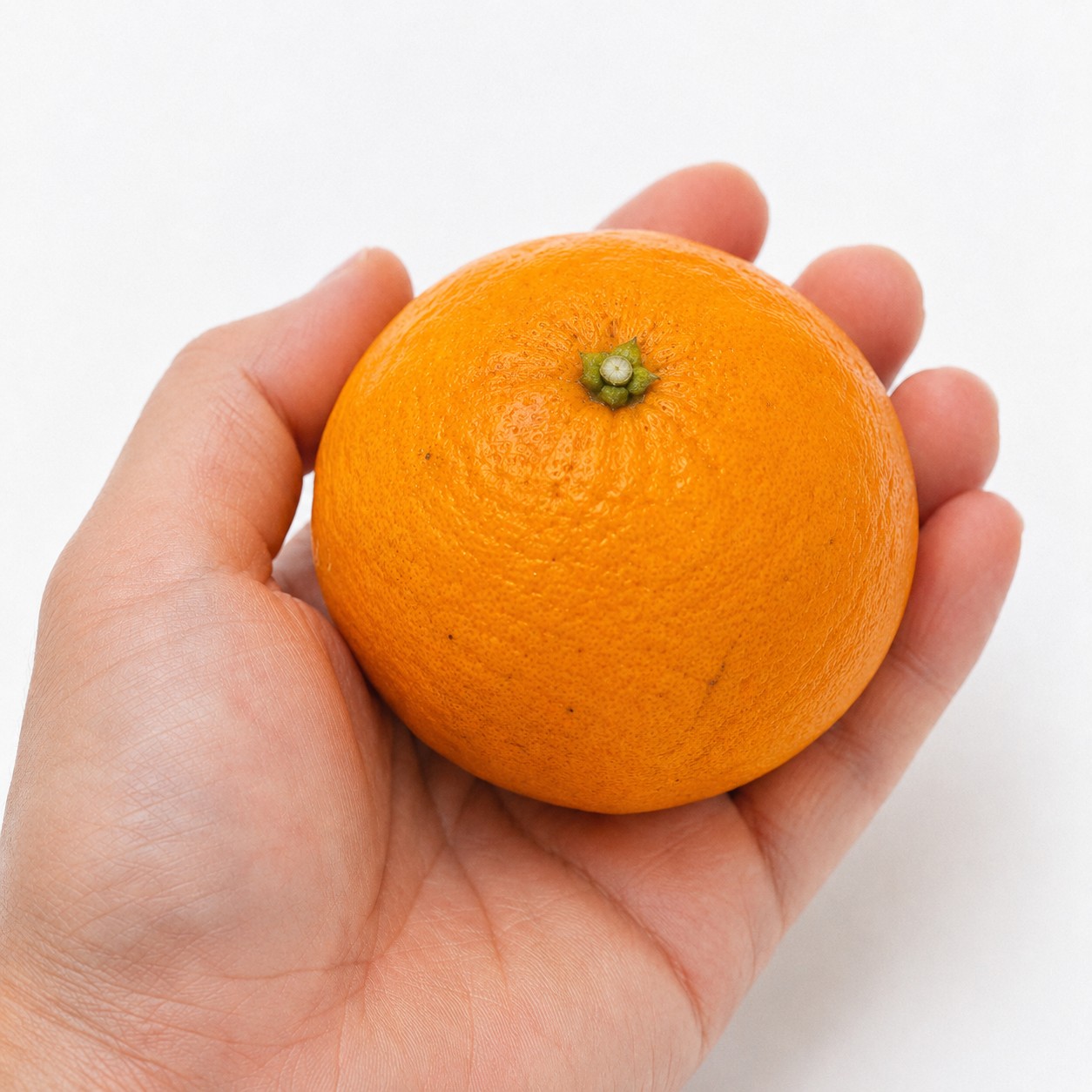
Its gentle sweetness and juicy texture make it an approachable citrus for many people.
Amakusa was once one of the most popular premium citrus varieties grown in Ehime. The trees are vigorous, produce heavy crops, and develop high sugar levels, making them attractive for commercial growers. In recent years, however, many orchards have been replanted with newer premium varieties such as Beni Madonna.
I still manage a small Amakusa orchard myself. Most of the fruit is used to make homemade citrus marmalade, which I produce and sell locally. Unfortunately, several trees have been lost in recent years due to unusually hot summers, prolonged dry weather, longhorn beetle damage, and simply the age of the orchard. Balancing orchard work with my guesthouse business has also become increasingly difficult.
Tree-Ripened Amakusa
Although Amakusa is usually harvested between January and February, many local growers leave some fruit on the tree until March, April, or even May. As the fruit continues to mature naturally, the acidity gradually decreases and the flavor becomes noticeably sweeter and richer.
If you ever have the opportunity to find tree-ripened Amakusa later in the season, it is well worth trying. It offers a smoother, more mellow flavor that many citrus lovers in Japan appreciate.
Where It’s Grown
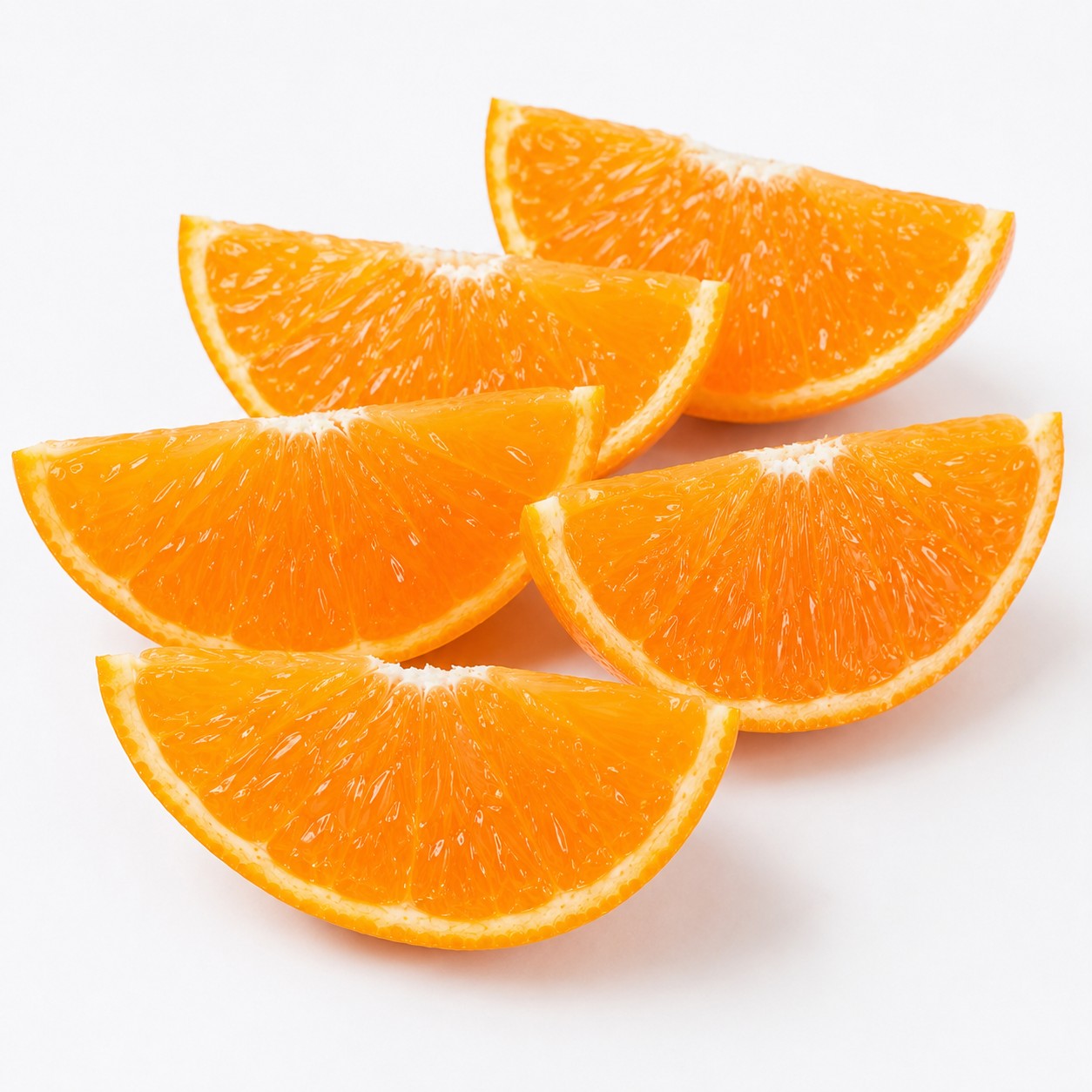
Amakusa is grown in several warm citrus-growing regions in Japan, especially in Kyushu and western Japan.