Best Japanese Citrus for Marmalade
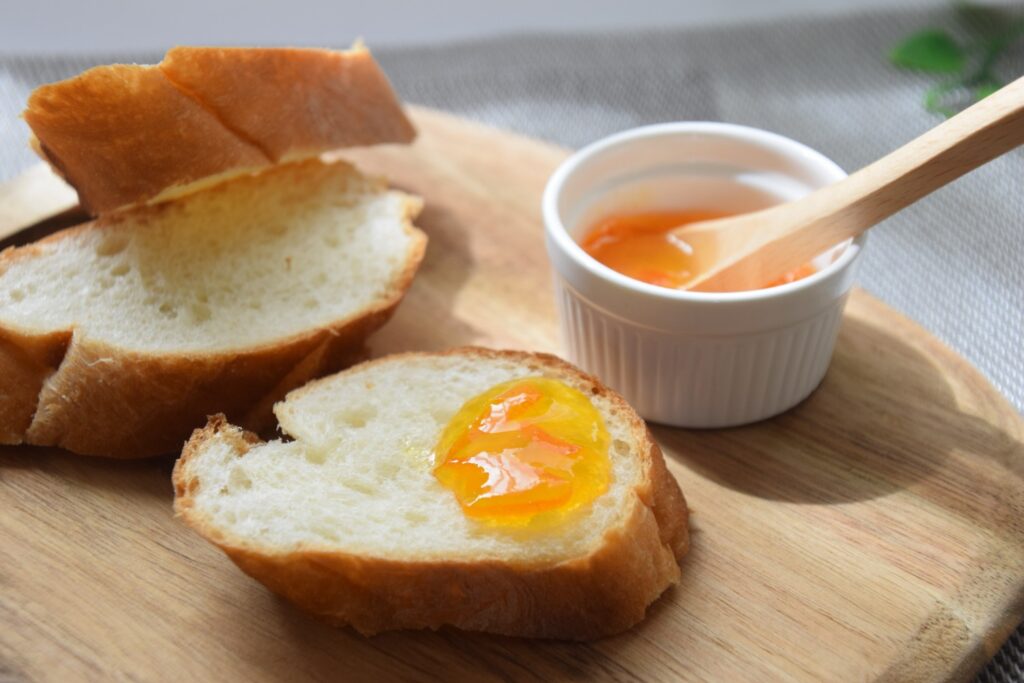
Japanese citrus fruits are excellent for marmalade because many varieties have fragrant peel, refreshing acidity, and distinctive bitterness.
This guide introduces some of the best Japanese citrus varieties for marmalade, from classic bitter-sweet styles to mild premium marmalades that are easy to enjoy.
Best Japanese Citrus for Marmalade Ranking
| Rank | Variety | Best For | Marmalade Style |
|---|---|---|---|
| #1 | Amanatsu | Classic marmalade | Bright and traditional |
| #2 | Hassaku | Refreshing marmalade | Sweet-bitter and clean |
| #3 | Beni Madonna / Aika No. 28 | Premium mild marmalade | Smooth and low bitterness |
| #4 | Harumi | Sweet marmalade | Rich and approachable |
| #5 | Yuzu | Aromatic marmalade | Fragrant and intense |
| #6 | Iyokan | Rich citrus marmalade | Deep and aromatic |
Top Japanese Citrus for Marmalade
1. Amanatsu
Amanatsu is one of the most classic Japanese citrus varieties for marmalade.
Its refreshing acidity, gentle sweetness, and thick peel create a traditional citrus marmalade with a bright, clean flavor.
Amanatsu is not an extremely sweet citrus, but that is exactly why it works well in marmalade. The finished flavor feels refreshing rather than heavy.
Best for: Classic Japanese citrus marmalade.
2. Hassaku
Hassaku is excellent for marmalade because of its refreshing sweet-tart flavor and slight bitterness.
The fruit is not overly sweet, so the flavor remains clean and balanced even after being cooked with sugar.
Hassaku marmalade is especially appealing for people who prefer a less sugary, more refreshing citrus preserve.
Best for: Clean, refreshing marmalade with a gentle bitter note.
3. Beni Madonna / Aika No. 28
Beni Madonna is famous as a premium fresh-eating citrus, but fruit from the same variety, Aika No. 28, can also make an unusually smooth and mild marmalade.
When marmalade is made from Aika No. 28 fruit, the Beni Madonna brand name should not be used unless the fruit meets the official brand standards. For that reason, it is more accurate to describe this type as Aika No. 28 marmalade.
Aika No. 28 marmalade has very little bitterness compared with many traditional marmalades. Its thin peel and mellow sweetness make it approachable even for people who usually dislike strong peel bitterness.
Because the fruit itself is expensive and the thin peel is difficult to process by hand, this type of marmalade is often more costly to produce.
The creator’s own Aika No. 28 marmalade has received recognition at the Dalemain Marmalade Awards in Yawatahama, Ehime.
Best for: Premium mild marmalade and people who dislike strong bitterness.
4. Harumi
Harumi makes a sweet and approachable marmalade with a rich citrus flavor.
The fruit has high sweetness, but it also keeps enough mandarin-like acidity to give the marmalade a clear and lively taste.
Harumi marmalade is a good choice for people who want a softer, sweeter citrus preserve without losing brightness.
Best for: Sweet and family-friendly marmalade.
5. Yuzu
Yuzu is one of Japan’s most aromatic citrus fruits, and even a small amount of peel can strongly affect the flavor of marmalade.
Yuzu marmalade is less about sweetness and more about fragrance. Its intense aroma creates a distinctive Japanese citrus character.
Because yuzu has strong acidity and a powerful peel aroma, it is especially useful when you want a marmalade with a vivid, fragrant finish.
Best for: Aromatic marmalade with strong Japanese citrus fragrance.
6. Iyokan
Iyokan is a classic citrus from Ehime with a rich aroma and full citrus flavor.
Its peel and juice can create a marmalade with deeper character than lighter citrus varieties.
For people who enjoy traditional citrus flavor with a stronger aroma, Iyokan is a very good marmalade fruit.
Best for: Rich and aromatic citrus marmalade.
The Art of Making Citrus Marmalade

The creator also produces and sells citrus marmalade using locally grown Japanese citrus varieties.
The peel used in traditional marmalade is often sliced by hand into very thin strips before cooking.
Making traditional marmalade is a surprisingly time-consuming process. Citrus peel is carefully sliced into very thin strips, often around 1 mm thick, by hand.
If the peel is too thick, it requires longer cooking and can create a tougher texture. If cooked for too long, valuable citrus aroma may be lost.
After slicing, the peel is soaked and rinsed repeatedly to achieve the desired balance of flavor and bitterness.
The process requires patience, but many marmalade enthusiasts appreciate the complexity and freshness that traditional citrus marmalade provides.
How to Enjoy Japanese Citrus Marmalade
- Spread on toast
- Mixed into yogurt
- Served with vanilla ice cream
- Added to salad dressings
- Used in stews and curry dishes
- Added in small amounts to curry for depth and citrus aroma
While marmalade is often associated with breakfast toast, it can be surprisingly versatile in both sweet and savory dishes.
The refreshing aroma of Japanese citrus marmalade can add brightness to simple foods and depth to cooked dishes.
How to Choose Japanese Citrus for Marmalade
- Classic marmalade: Amanatsu
- Refreshing sweet-bitter marmalade: Hassaku
- Mild premium marmalade: Aika No. 28
- Sweet approachable marmalade: Harumi
- Most aromatic marmalade: Yuzu
- Rich citrus marmalade: Iyokan
If you want a traditional Japanese citrus marmalade, Amanatsu and Hassaku are excellent choices.
If you prefer a milder marmalade with less bitterness, Aika No. 28 and Harumi are easier to enjoy.
For strong aroma and a more distinctive Japanese citrus character, Yuzu and Iyokan are especially useful.