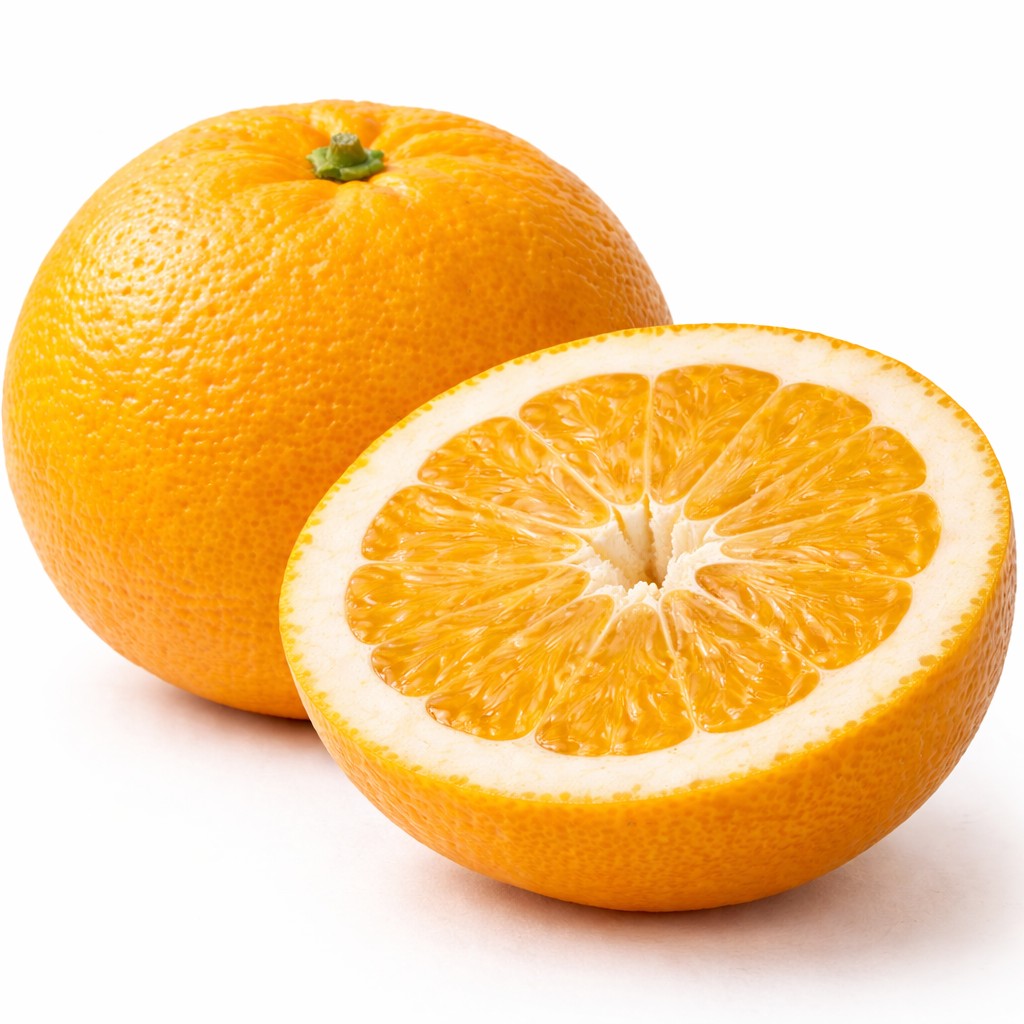
Hassaku is a traditional Japanese citrus known for its refreshing bitterness and firm texture.
Overview
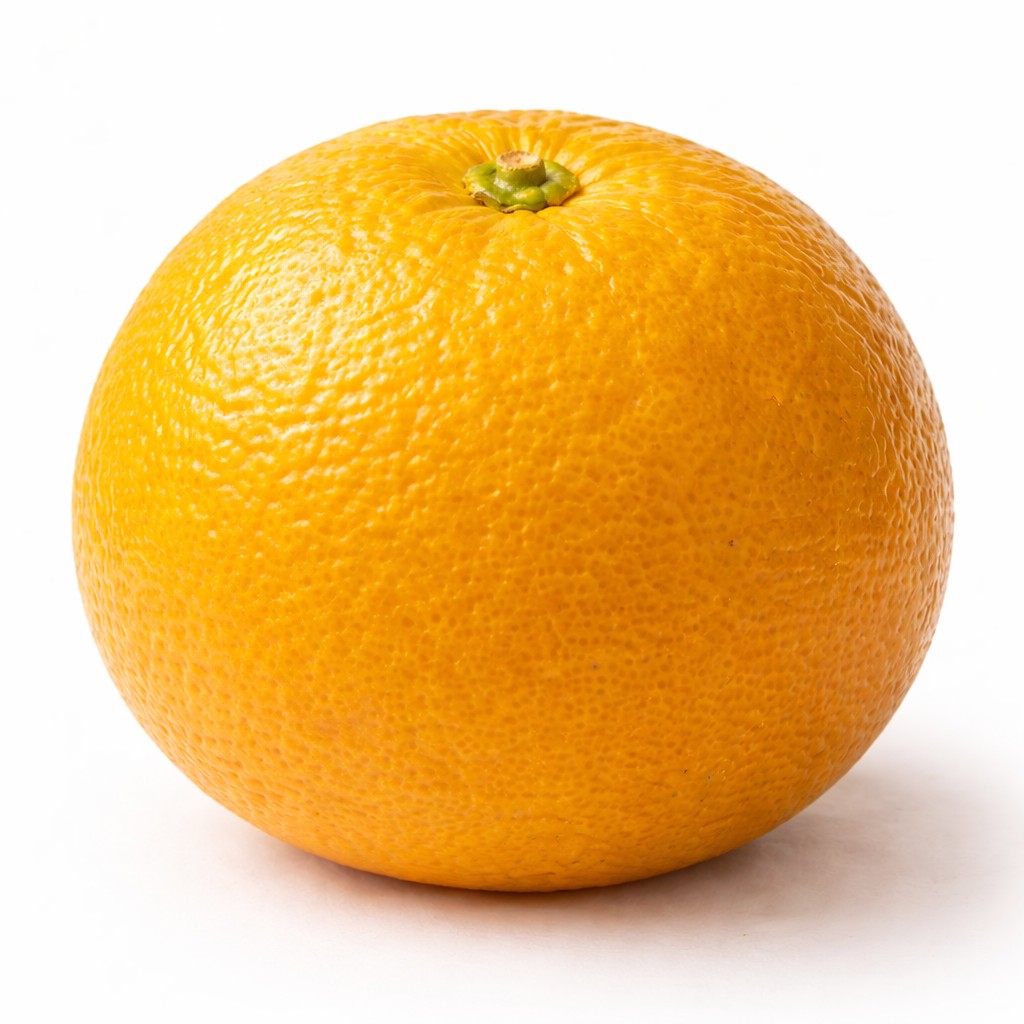
- Japanese name: Hassaku
- Type: Pomelo hybrid
- Taste: Mild sweetness with bitterness
- Seeds: Some seeds
- Peel: Thick peel
Flavor Profile
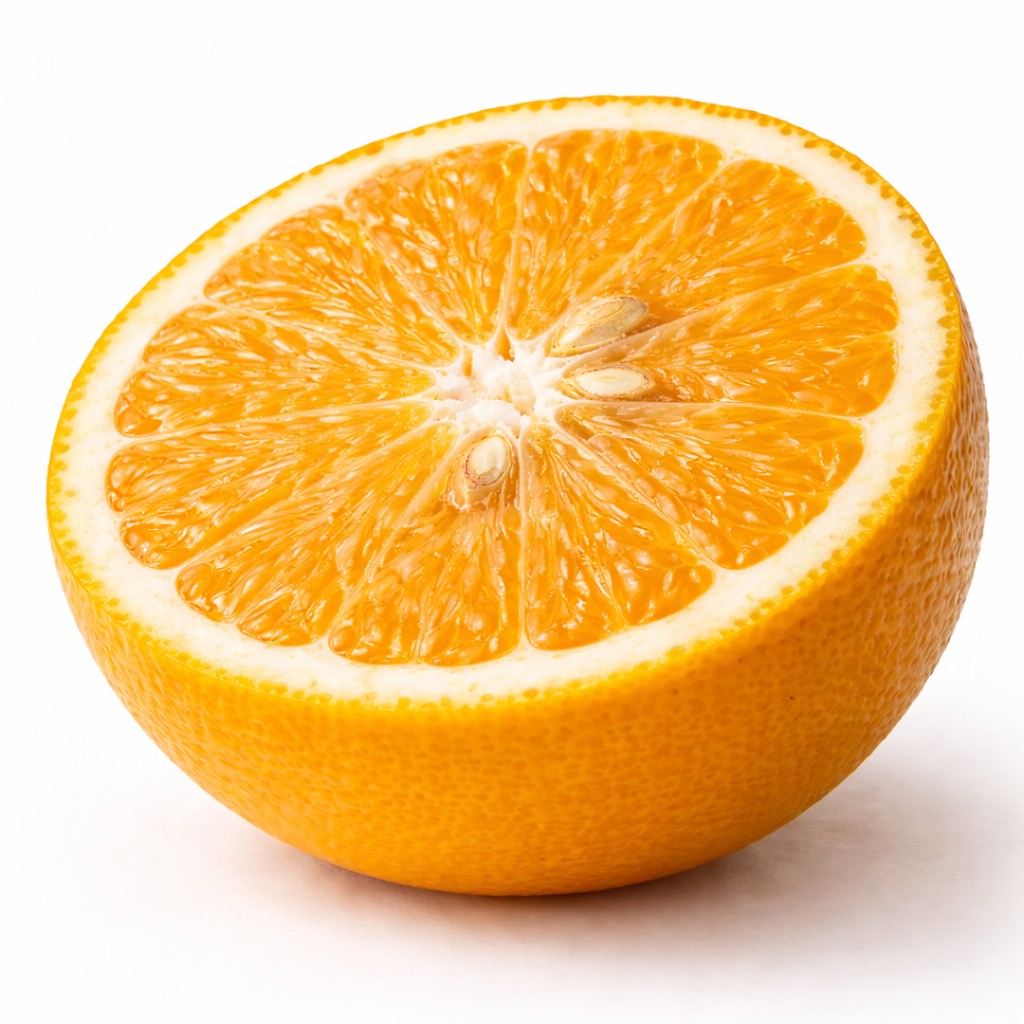
Hassaku has a distinctive balance of sweetness, acidity, and pleasant bitterness. The flesh is firm and refreshing.
Related Japanese Citrus to Compare
- Amanatsu – for a larger tart citrus with refreshing acidity.
- Iyokan – for a sweeter and more aromatic classic citrus.
- Natsumikan – for another traditional large Japanese citrus.
Is This Citrus Right for You?
- Best for: People who like slight bitterness and firmness
- Not ideal for: Those who want soft sweet citrus
- Taste profile: Balanced with slight bitterness
- Texture: Firm, structured segments
- Best use: Fresh eating with peeling, traditional citrus
Not sure how it compares to other citrus? See the best Japanese citrus ranked here →
Looking for sweeter options? See the sweetest Japanese citrus fruits →
Season
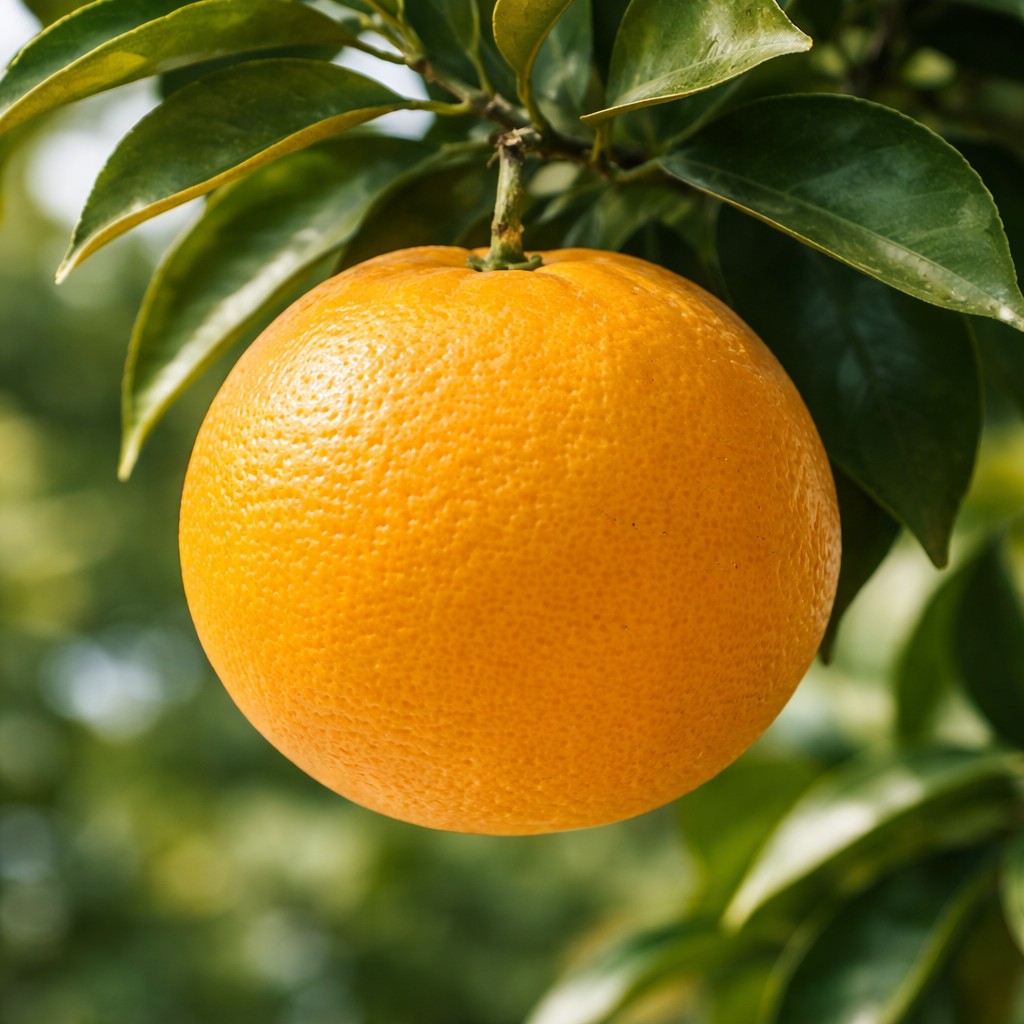
Hassaku is harvested in winter but usually eaten from late winter to spring.
Why It’s Popular
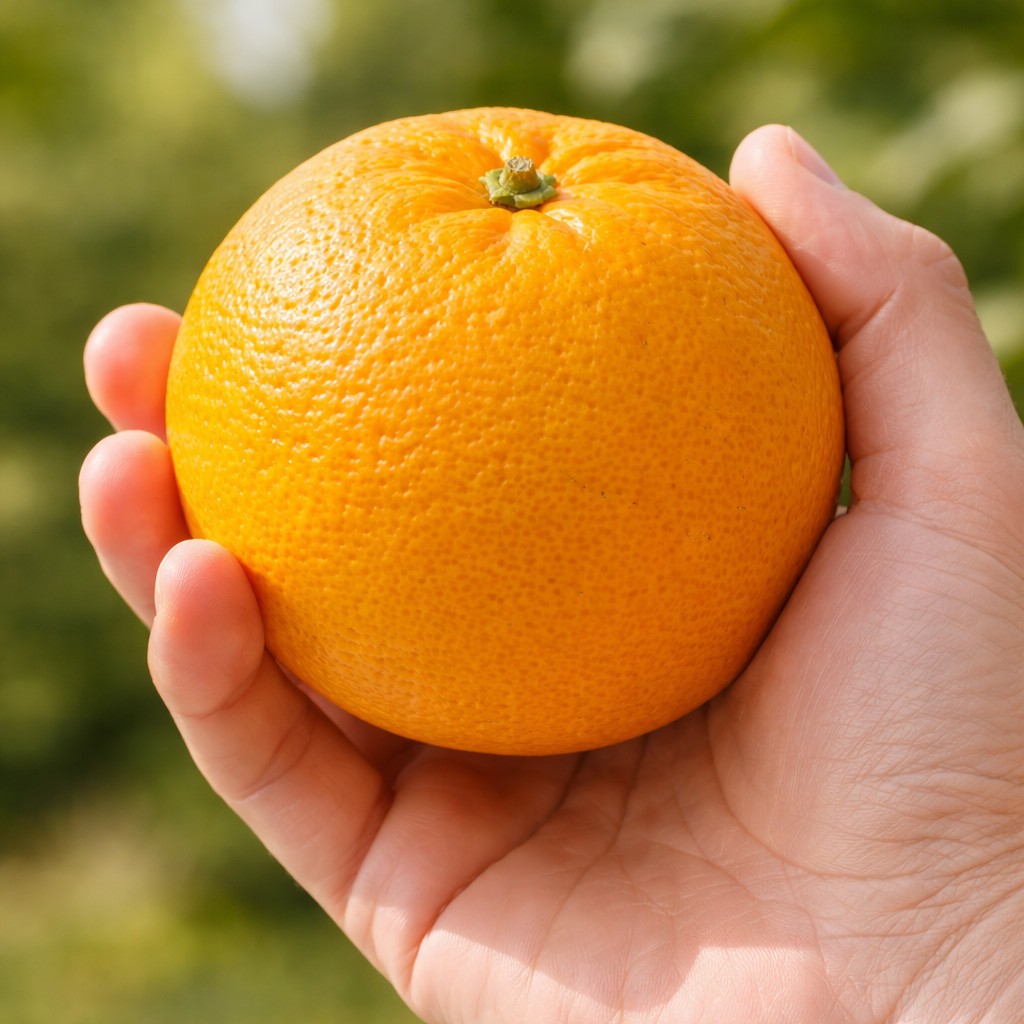
Its refreshing bitterness makes it unique among Japanese citrus fruits.
Hassaku is appreciated for its refreshing balance of sweetness, acidity, and slight bitterness.
Like Amanatsu, it is not usually chosen for extreme sweetness. Instead, many people enjoy its clean and refreshing flavor.
For people who find some modern premium citrus varieties too sweet, Hassaku offers a more traditional citrus experience with a satisfying crisp texture.
Hassaku and the Shimanami Kaido Region
Around the Shimanami Kaido region connecting Ehime and Hiroshima, Hassaku is often associated with local sweets as much as fresh fruit.
One of the most famous examples is Hassaku Daifuku from Innoshima, where sweet bean paste and soft mochi are combined with fresh Hassaku fruit.
Many travelers visiting the Shimanami Kaido stop specifically to try Hassaku Daifuku, and it remains a popular item at regional fairs and specialty food events throughout Japan.
The combination of sweet mochi and the refreshing sweet-tart flavor of Hassaku creates a surprisingly balanced dessert that has become a local specialty.
Hassaku as a Jam Fruit
The creator also produces and sells Hassaku jam.
Because Hassaku is less intensely sweet than many premium citrus varieties, its flavor remains clear and refreshing even after being cooked into jam.
The result is a citrus preserve with a clean finish and gentle sweetness rather than a heavy sugary taste.
For people who do not enjoy overly sweet spreads, Hassaku jam is often a surprisingly appealing alternative.
Where It’s Grown
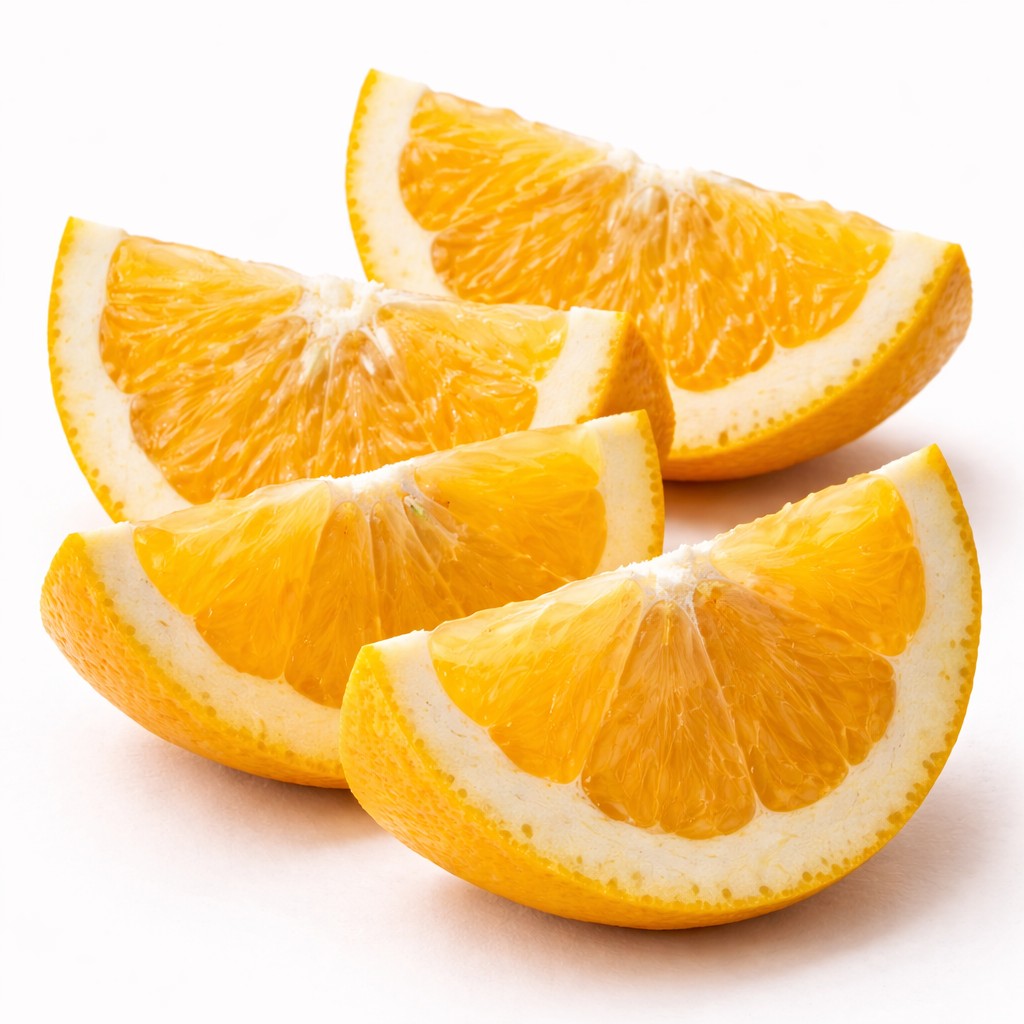
Hassaku is widely grown in Hiroshima and Wakayama.