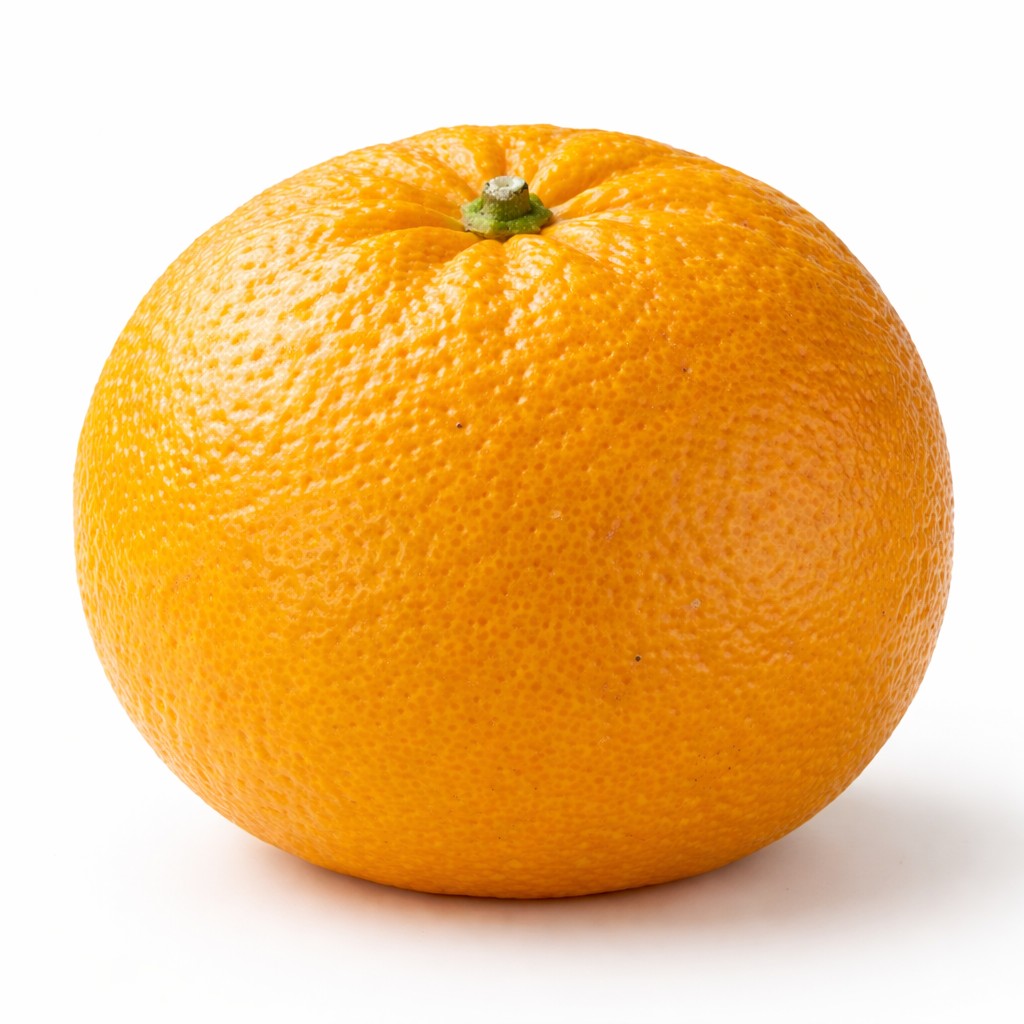
Amanatsu is a large Japanese citrus known for its refreshing balance of sweetness and bitterness.
Overview
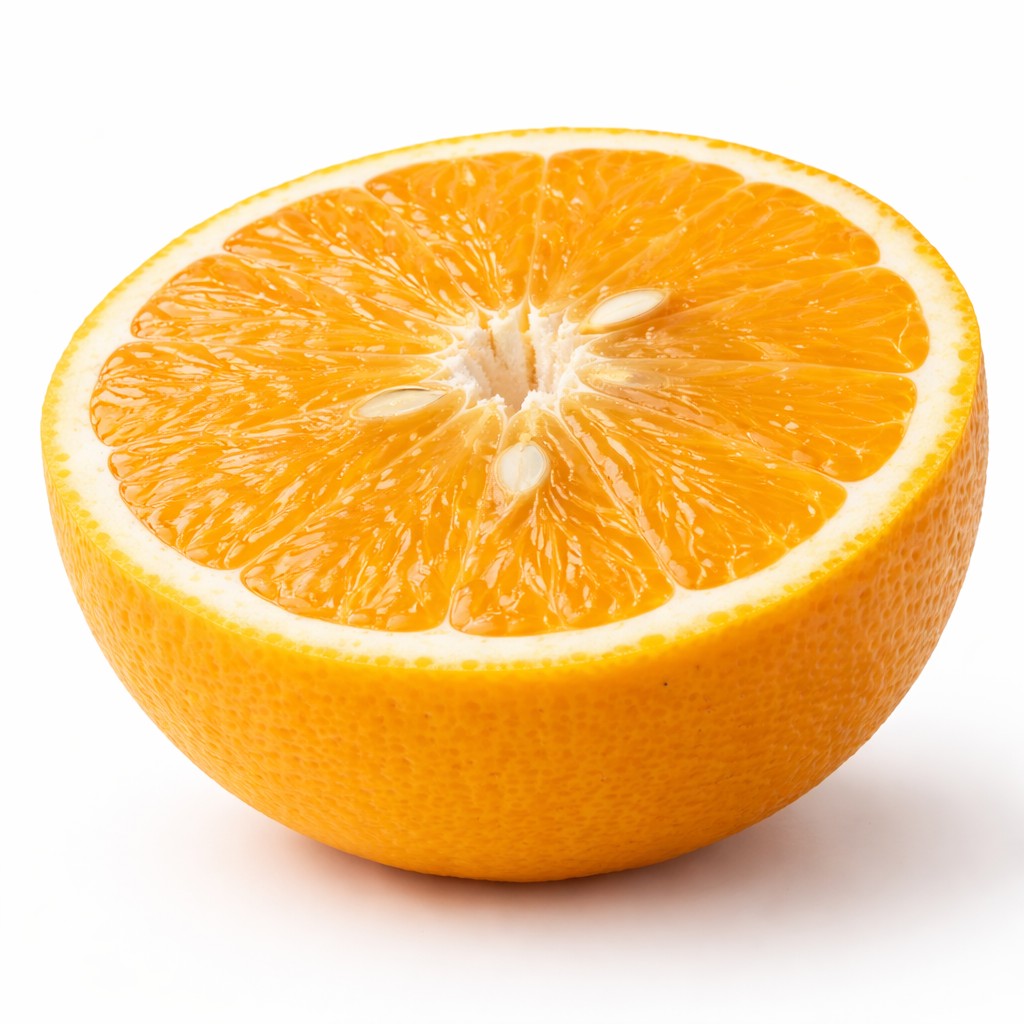
- Japanese name: Amanatsu
- Type: Pomelo hybrid
- Taste: Sweet with slight bitterness
- Seeds: Some seeds
- Peel: Thick peel
Flavor Profile
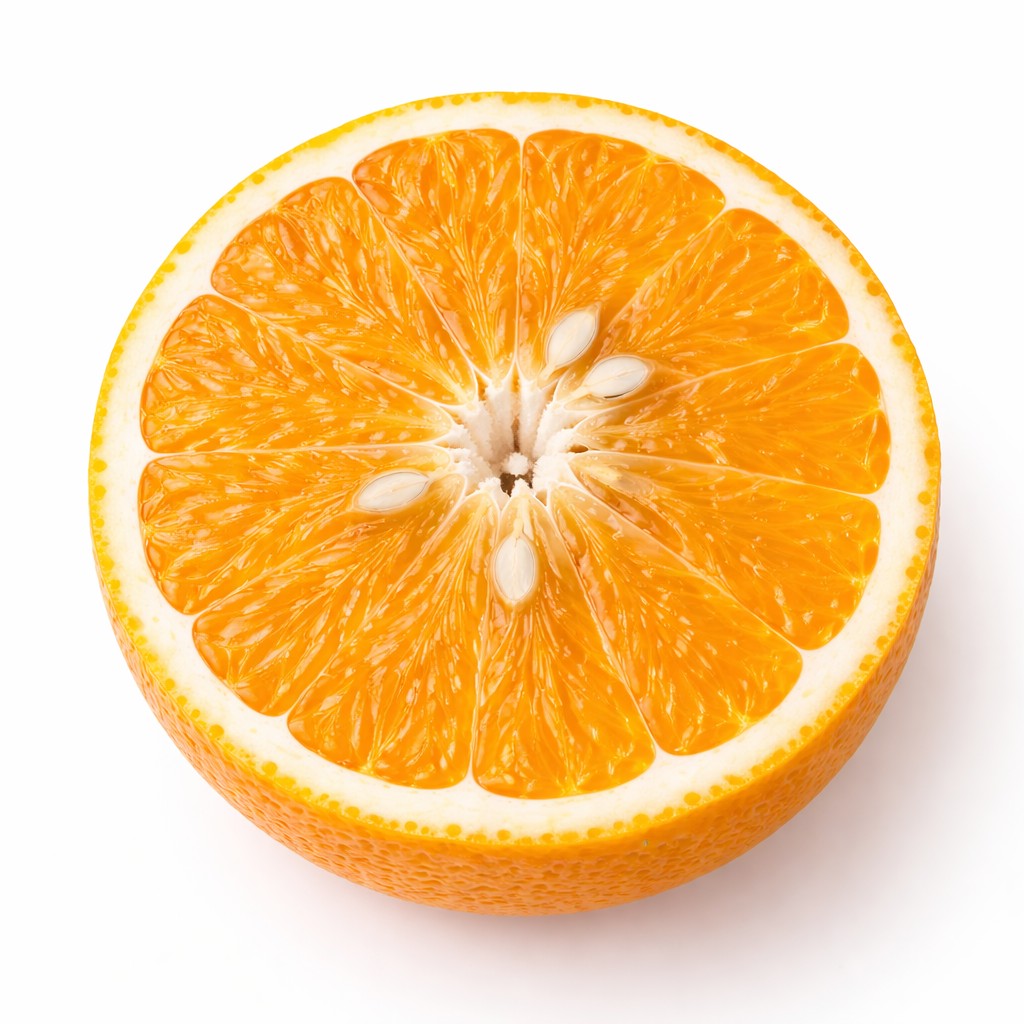
Amanatsu offers a refreshing flavor with mild sweetness and a pleasant bitter note. The flesh is firm and juicy.
Related Japanese Citrus to Compare
- Natsumikan – for a traditional tart summer citrus.
- Hassaku – for a firmer texture and slight bitterness.
- Iyokan – for a sweeter classic citrus option.
Is This Citrus Right for You?
- Best for: Refreshing citrus lovers
- Not ideal for: People who prefer sweet fruits
- Taste profile: Light sweetness with refreshing acidity
- Texture: Juicy with noticeable pith
- Best use: Fresh eating, salads, summer fruit
Not sure how it compares to other citrus? See the best Japanese citrus ranked here →
Looking for sweeter options? See the sweetest Japanese citrus fruits →
Season
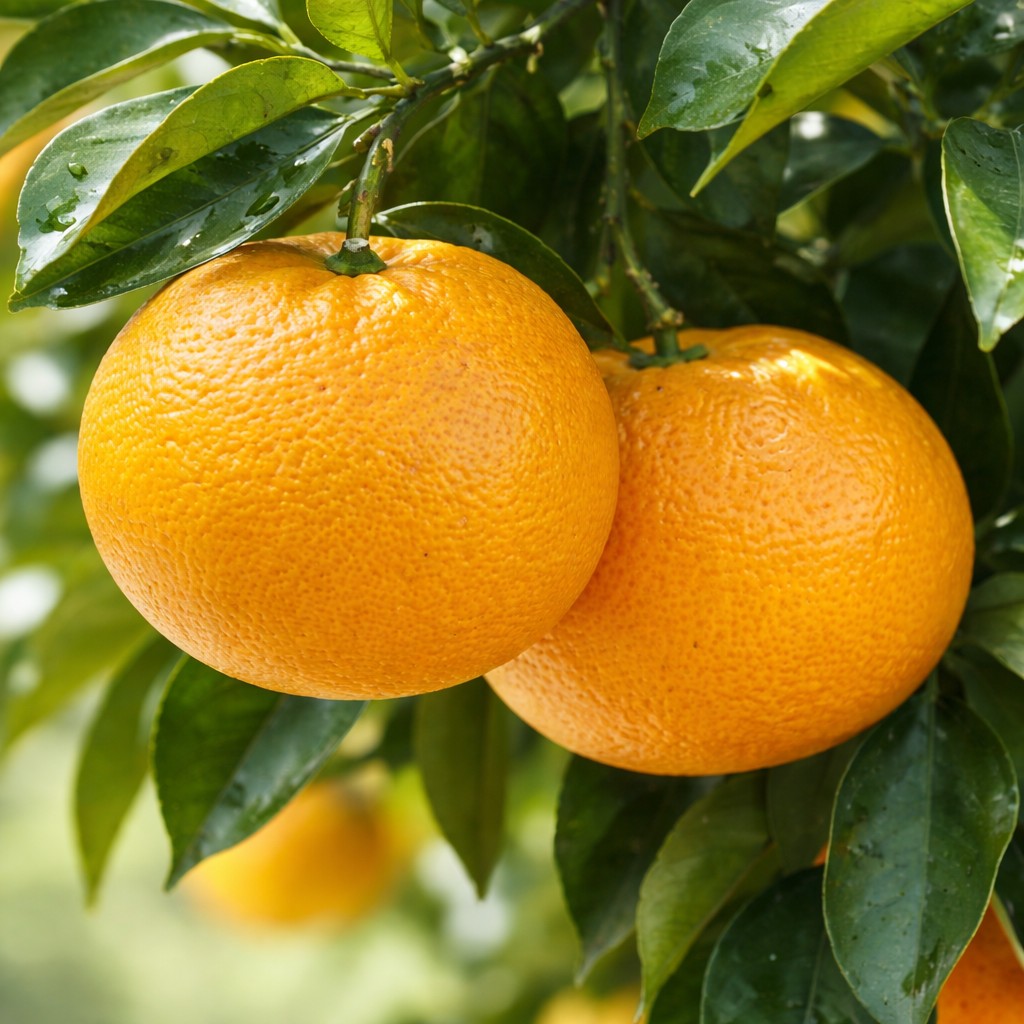
Amanatsu is typically harvested from spring to early summer.
Why It’s Popular
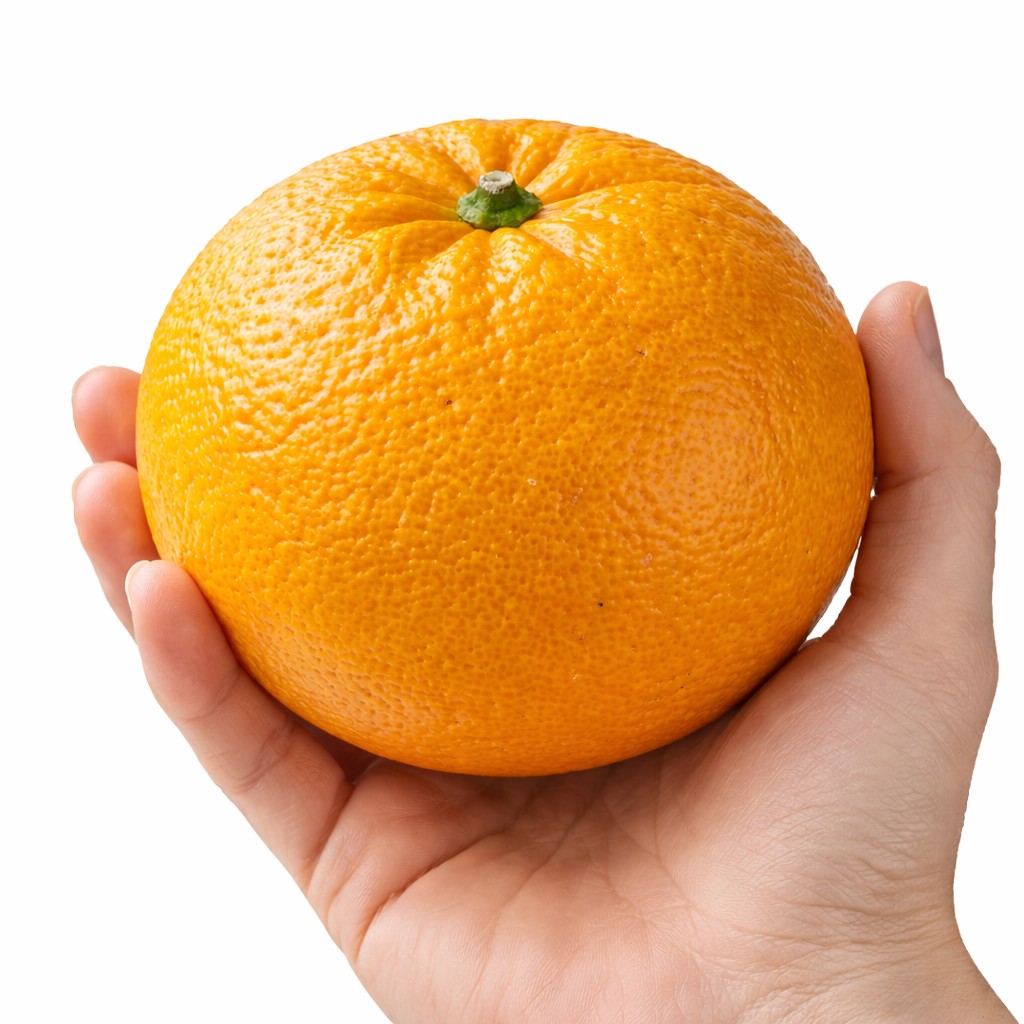
Its refreshing taste makes it perfect for warm seasons.
Amanatsu is not usually considered a luxury citrus, but many people enjoy it for its refreshing flavor and gentle balance of sweetness and acidity.
Compared with modern premium citrus varieties that focus on extremely high sugar content, Amanatsu offers a lighter and more refreshing eating experience.
Some older citrus lovers in Japan even prefer traditional varieties like Amanatsu because they retain a more noticeable citrus acidity.
Fruit that remains on the tree until late spring often develops a milder flavor as the acidity gradually decreases. Tree-ripened Amanatsu is especially appreciated by some citrus enthusiasts.
Tree-Ripened Amanatsu
Although Amanatsu can be harvested earlier and stored to reduce acidity, some growers leave the fruit on the tree for an extended period to allow natural ripening.
Late-harvest Amanatsu often develops a smoother flavor while maintaining its refreshing character.
However, keeping fruit on the tree for too long places additional stress on the tree itself. By May, it is sometimes possible to see mature fruit still hanging while new blossoms are already appearing for the next season.
This unusual sight is one of the distinctive features of late-season Amanatsu cultivation.
Challenges Facing Amanatsu Growers
One challenge facing Amanatsu cultivation today is economics. Compared with premium citrus varieties, market prices for Amanatsu are often relatively low.
In some cases, the selling price can be so low that intensive use of fertilizers and other production inputs becomes difficult to justify economically.
As a result, the number of commercial Amanatsu growers has gradually decreased in many citrus-producing regions of Japan.
It is not uncommon to find locally grown Amanatsu sold at roadside markets and farmers’ markets with cosmetic imperfections on the peel.
These fruits may not always have the polished appearance expected of premium gift citrus, but many consumers appreciate them as a simple and traditional local fruit.
Where It’s Grown
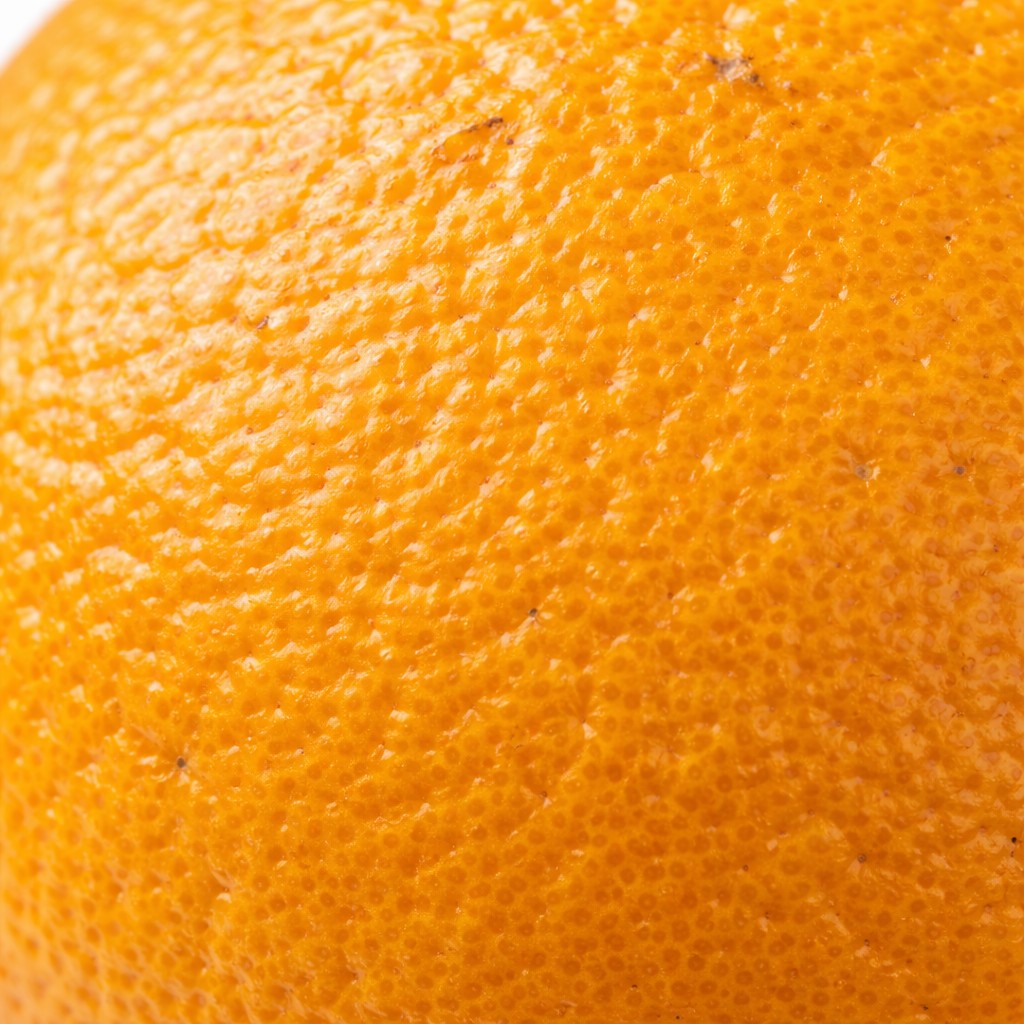
Amanatsu is grown mainly in western Japan.