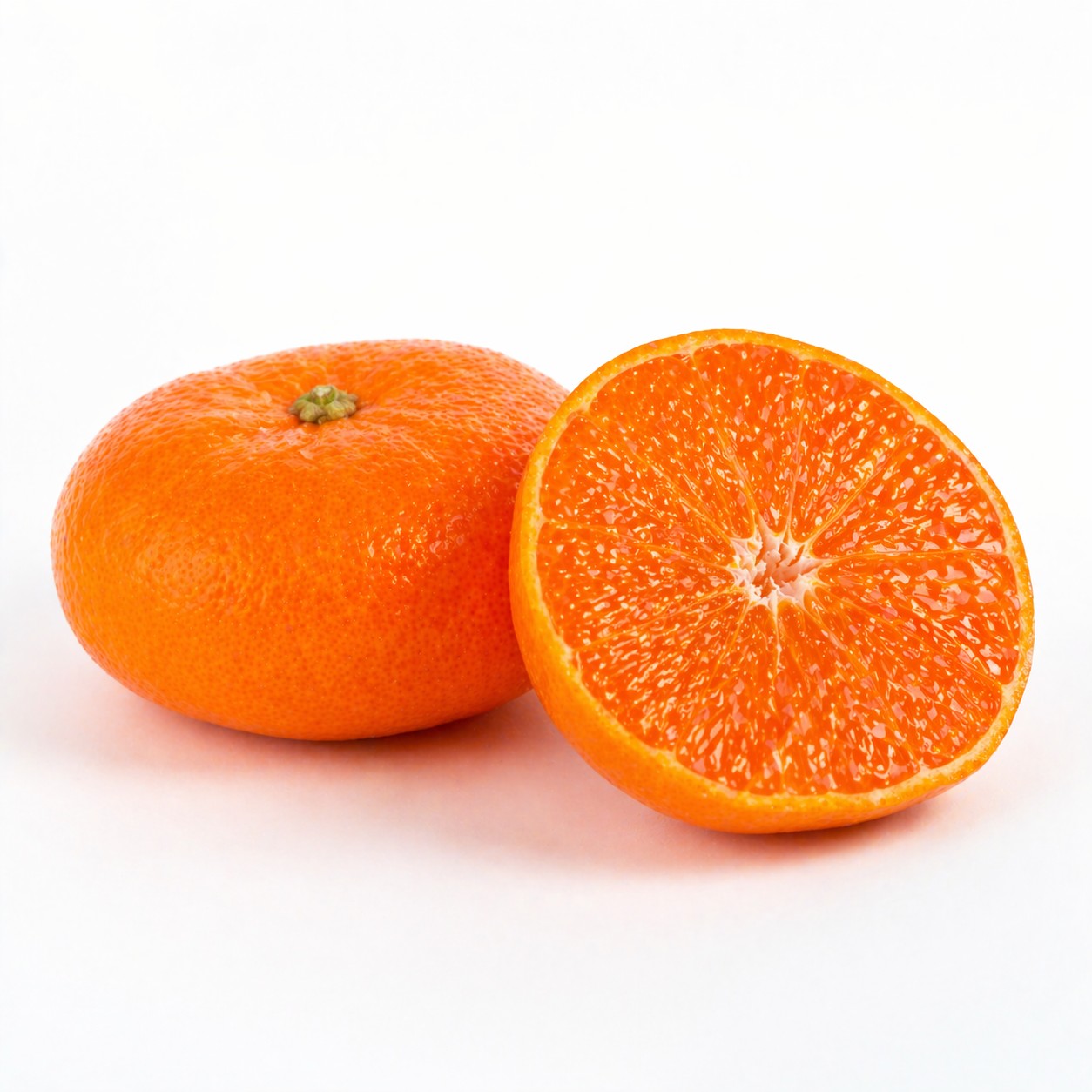
Kanpei is a premium citrus variety developed in Japan, known for its large size, high sweetness, and soft texture.
Overview
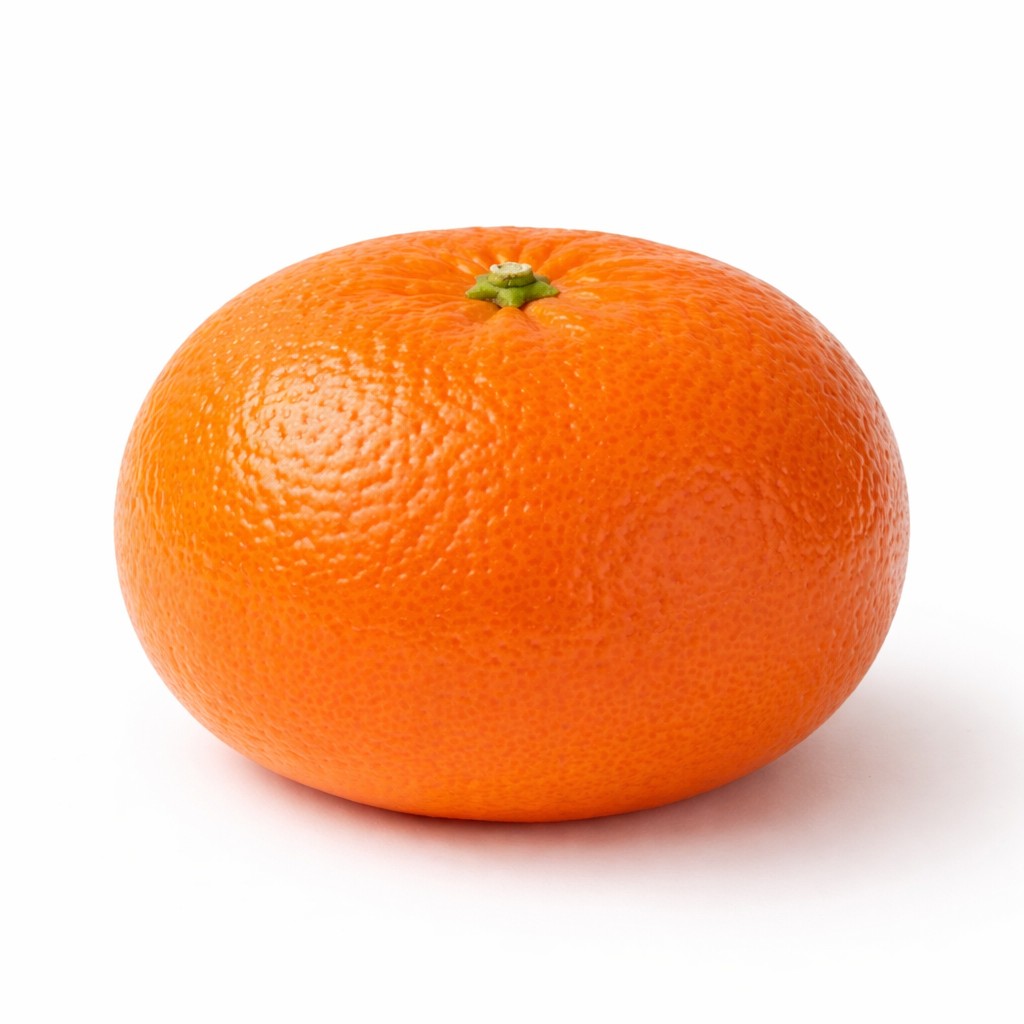
- Japanese name: Kanpei
- Type: Hybrid citrus
- Taste: Very sweet
- Seeds: Seedless
- Peel: Easy to peel
Kanpei is also known for its uniquely firm and crunchy texture, which feels denser and more solid than many soft Japanese mandarins.
Flavor Profile
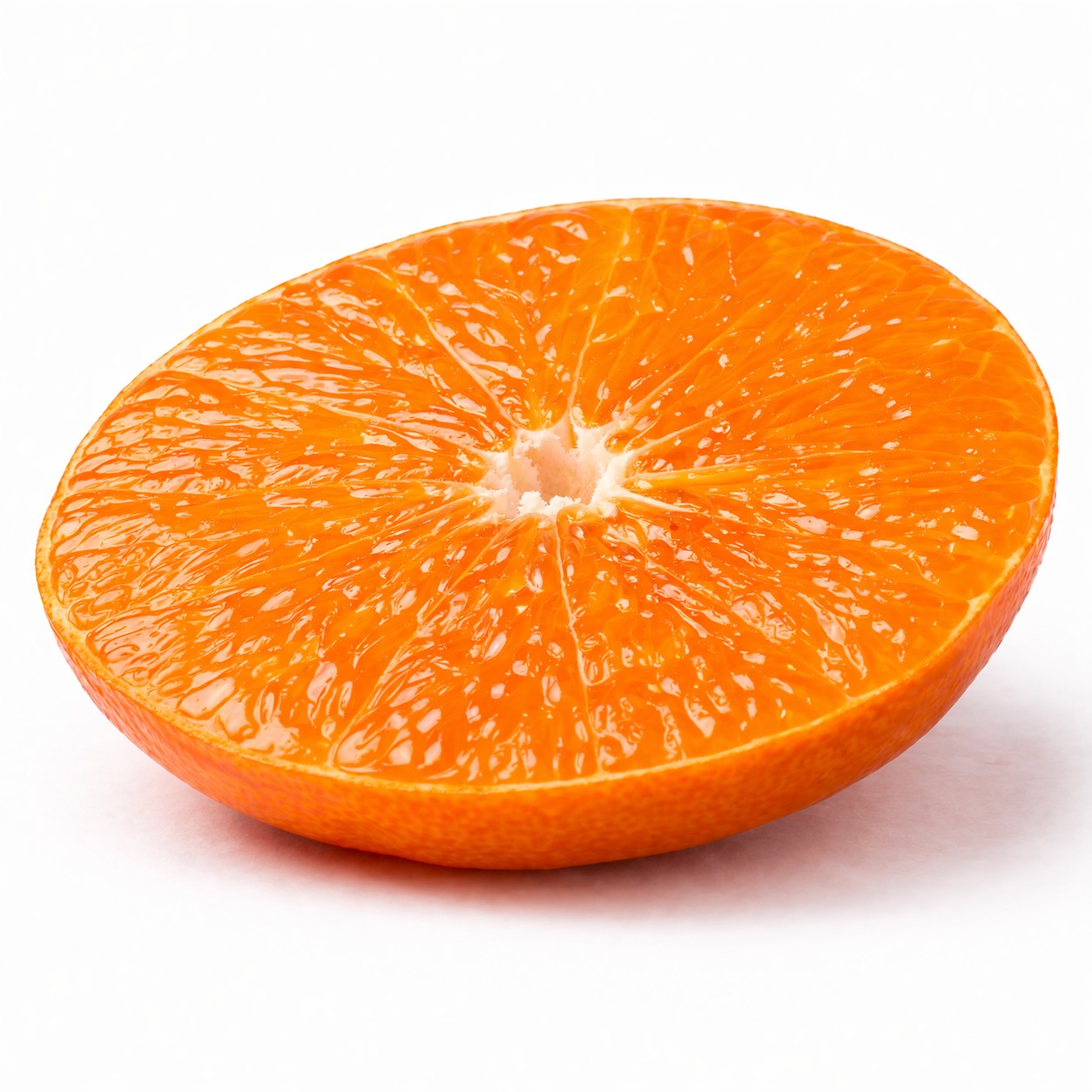
Kanpei is extremely sweet with a smooth and juicy texture. It has a mild aroma and very low acidity.
Related Japanese Citrus to Compare
- Setoka – for a softer, juicier premium citrus.
- Beni Madonna – for a jelly-like eating experience.
- Dekopon – for another sweet, gift-worthy Japanese citrus.
Is This Citrus Right for You?
- Best for: People who want dense, rich sweetness
- Not ideal for: Those who prefer light or refreshing citrus
- Taste profile: Deep sweetness with low acidity
- Texture: Firm, tightly packed flesh
- Best use: Fresh eating, premium citrus experience
Not sure how it compares to other citrus? See the best Japanese citrus ranked here →
Looking for sweeter options? See the sweetest Japanese citrus fruits →
Season
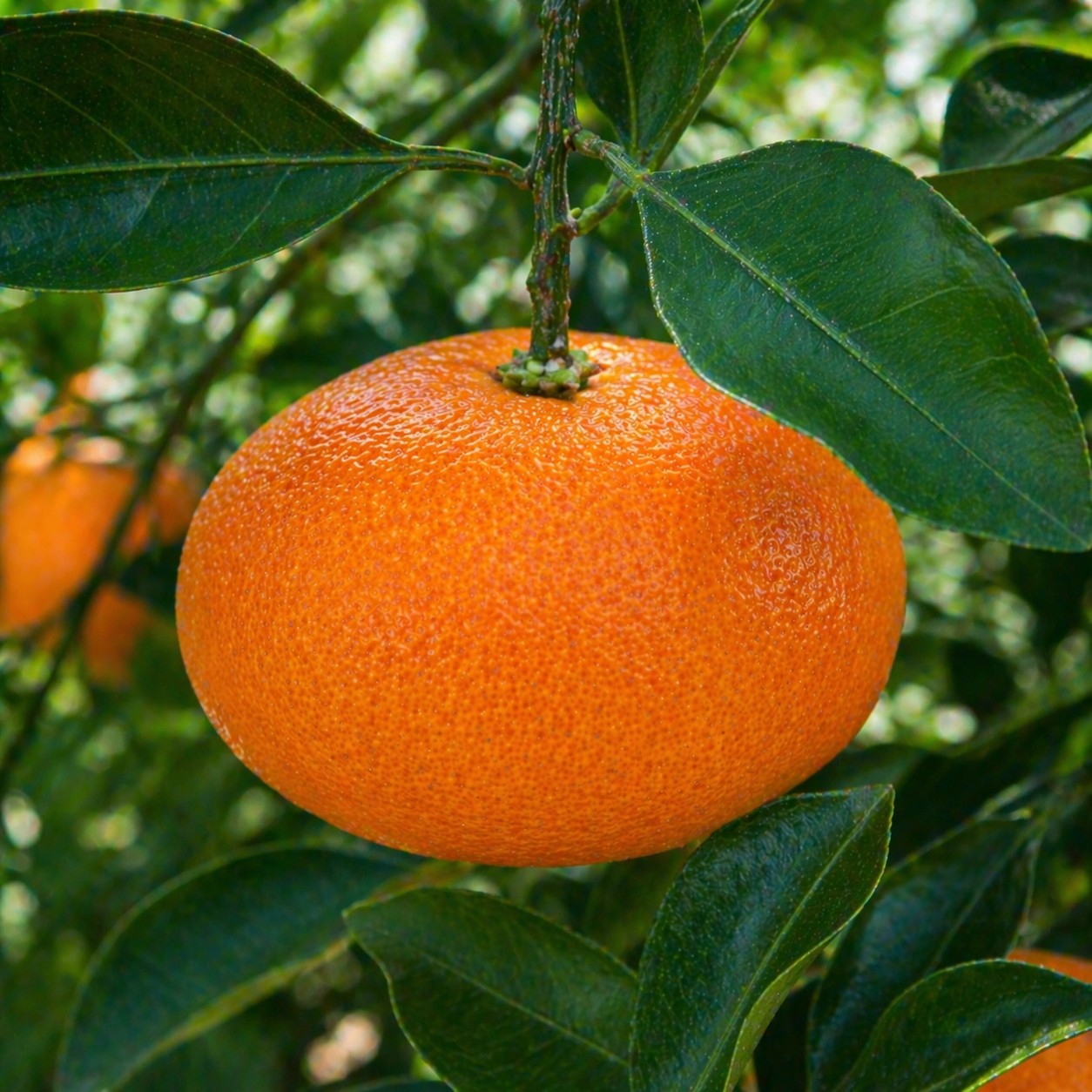
Kanpei is typically harvested in winter.
Why It’s Popular
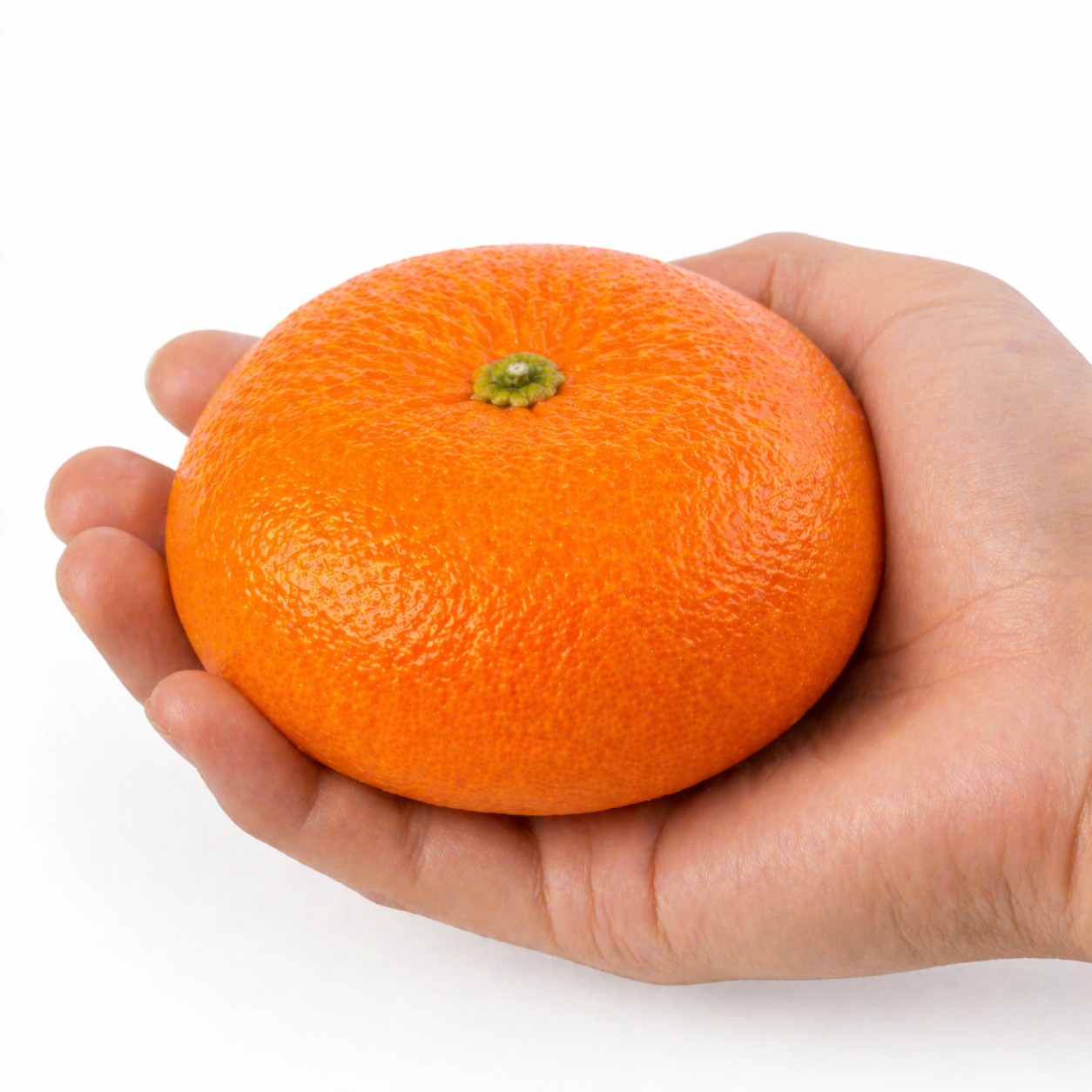
Its large size and high sugar content make it a premium fruit, often used for gifts.
Why Kanpei Is Expensive
Kanpei is cultivated only in Ehime Prefecture, similar to Beni Madonna.
One reason Kanpei is considered a premium citrus is that it is extremely difficult to grow successfully. The fruit is highly prone to splitting, especially when water balance is unstable.
Because cracked fruit cannot be sold commercially, growers must carefully manage irrigation and rainfall conditions throughout the season. This requires significant labor and attention.
Its dense crunchy texture, strong sweetness, and difficult cultivation are all part of what makes Kanpei highly valued in Japan.
Kanpei is often considered one of the most technically challenging premium citrus varieties grown in Ehime.
Where It’s Grown
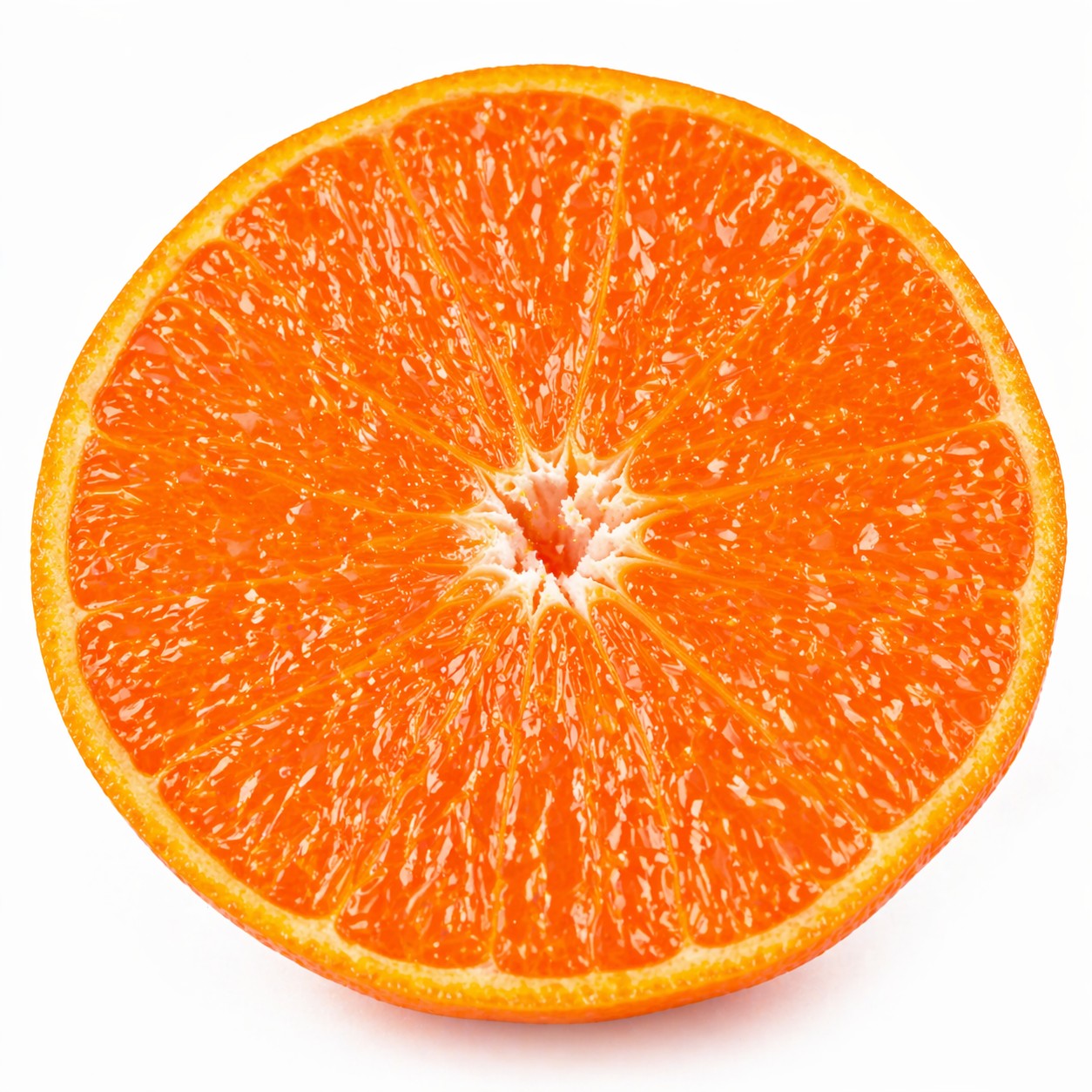
Kanpei is mainly grown in regions with ideal citrus-growing climates in Japan.