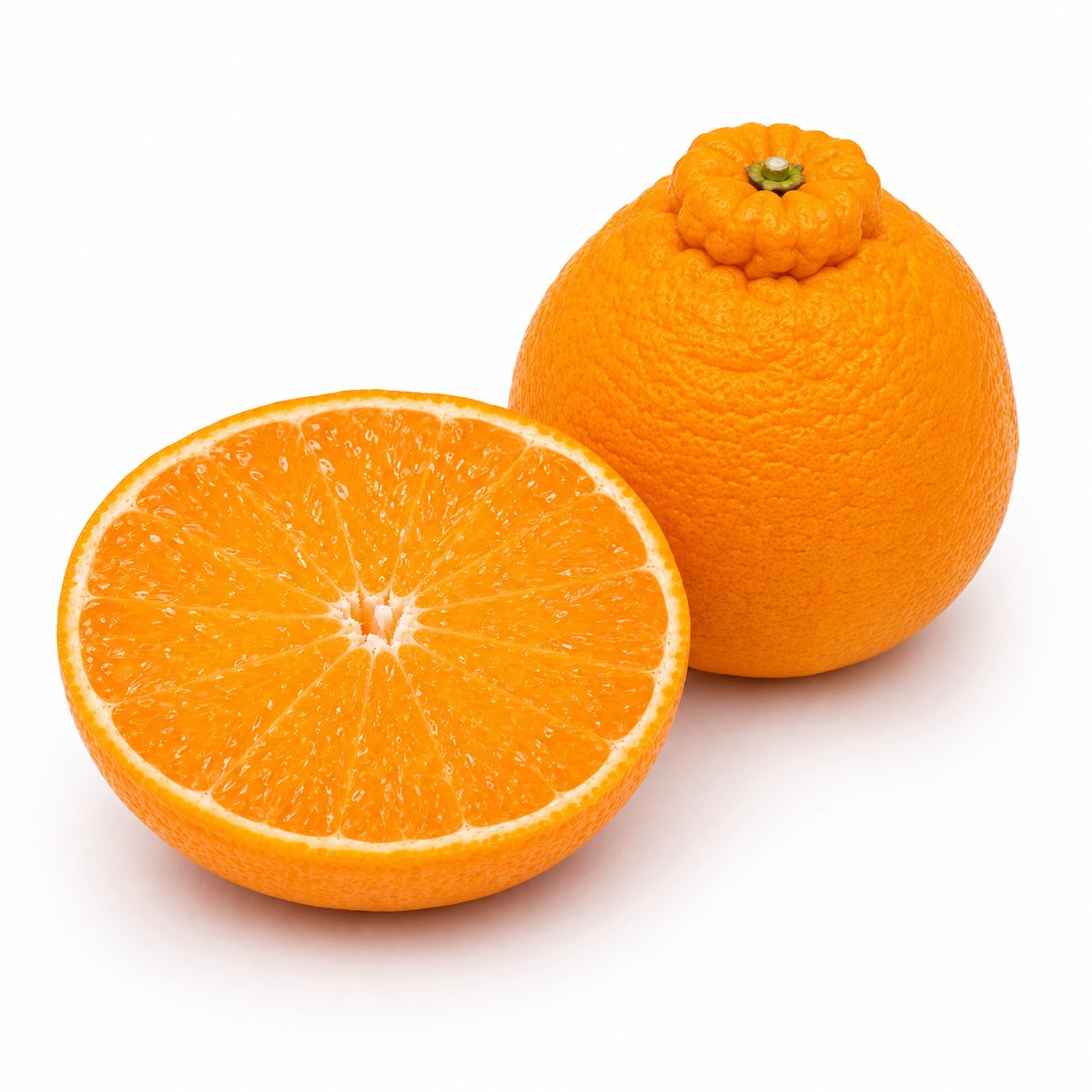
Dekopon, also known as Shiranui, is a well-known Japanese citrus famous for its distinctive bump on the top and its excellent balance of sweetness and acidity.
After harvest, Dekopon are left to ripen for several weeks to nearly a month before being shipped.
This period allows the acidity to mellow.
Overview
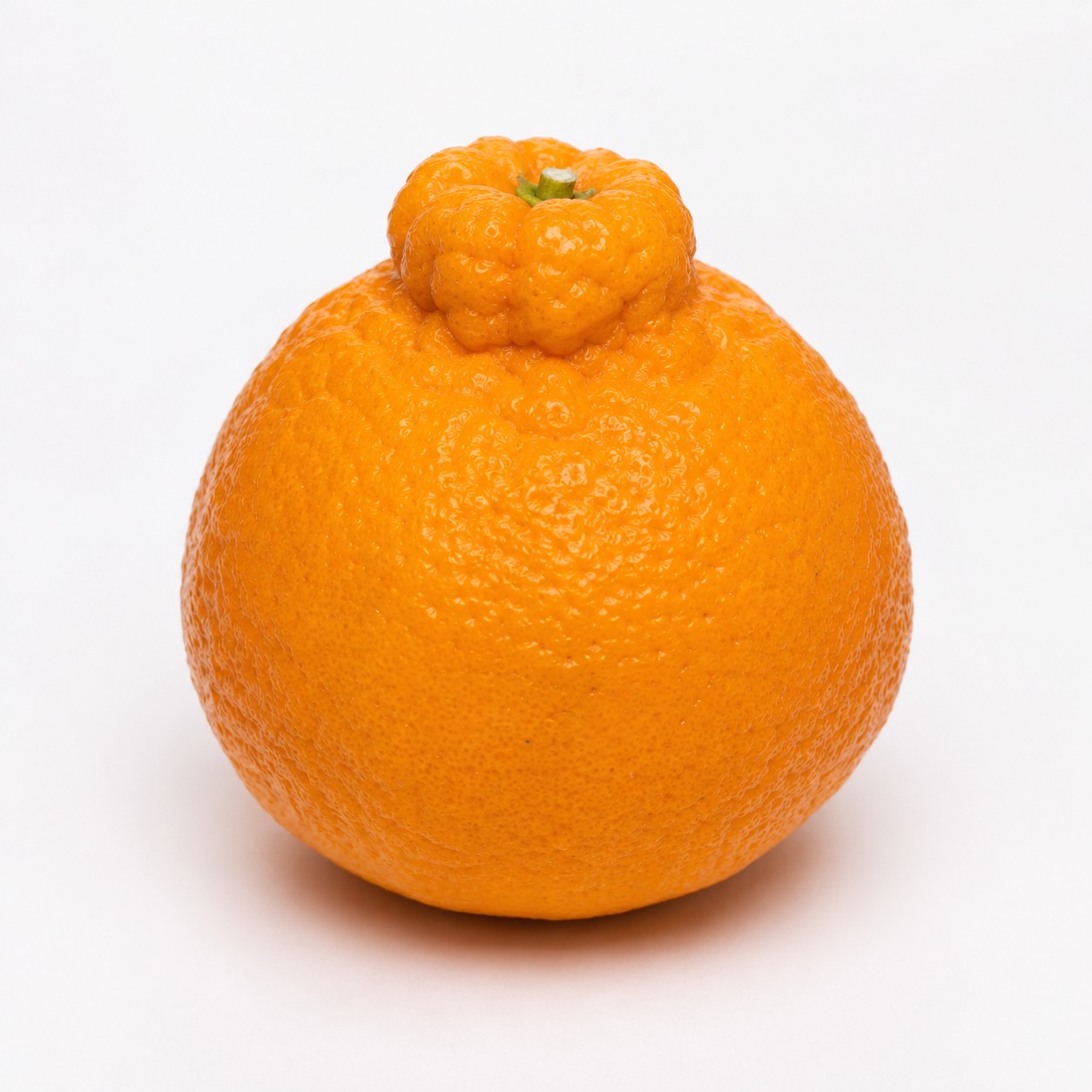
- Japanese name: Dekopon (Shiranui)
- Type: Hybrid (Kiyomi × Ponkan)
- Taste: Sweet with mild acidity
- Seeds: Seedless
- Peel: Easy to peel
This storage period is important because freshly harvested Dekopon can still have strong acidity, and careful post-harvest handling helps create the variety’s famous balance of sweetness and mild tanginess.
Flavor Profile
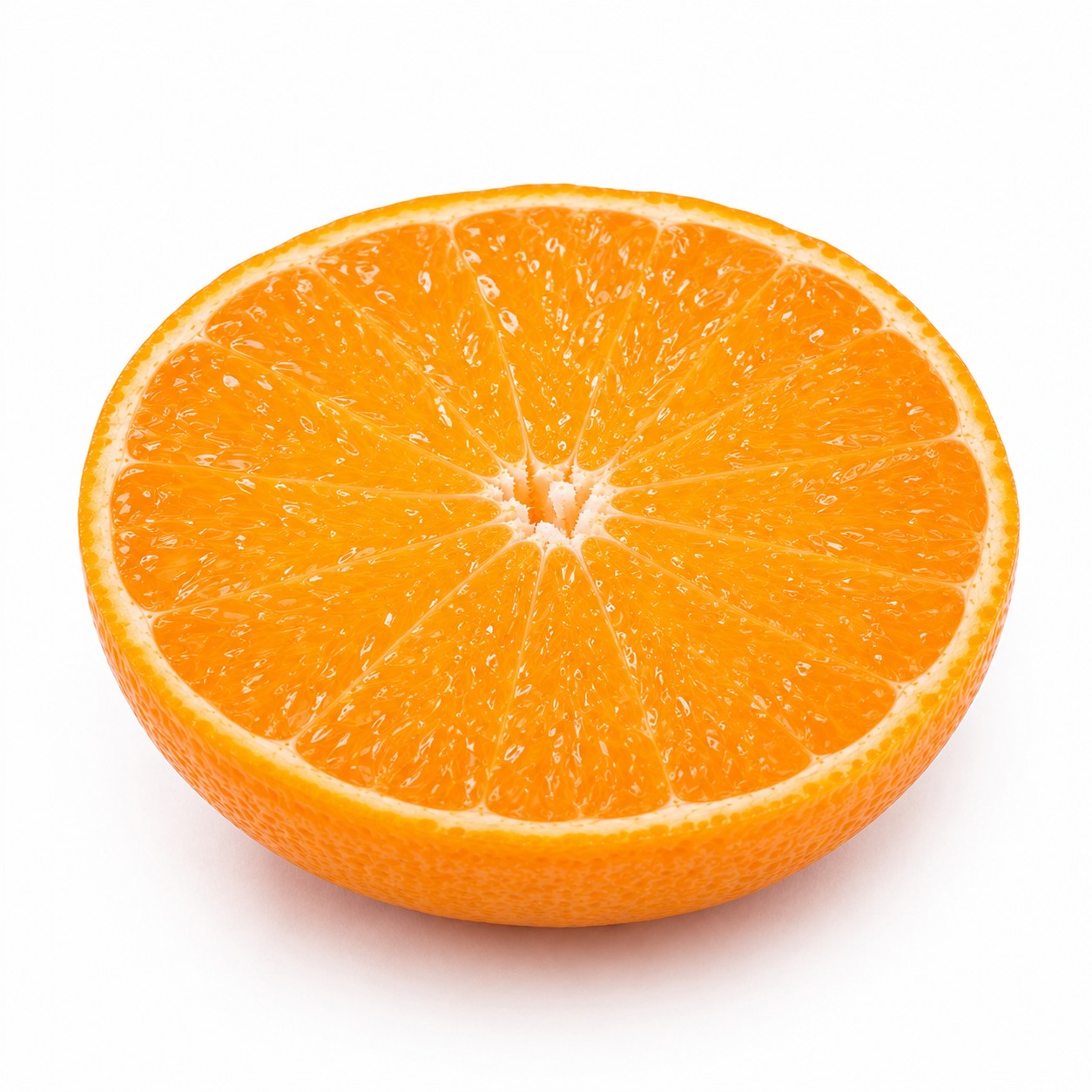
Dekopon offers a rich sweetness combined with a slight tang, creating a well-balanced and satisfying flavor.
Related Japanese Citrus to Compare
- Kanpei – if you prefer a sweeter and denser texture.
- Setoka – for a thinner peel and very juicy flesh.
- Kiyomi – one of the important parent-type citrus to understand.
Is This Citrus Right for You?
- Best for: Balanced sweetness and acidity lovers
- Not ideal for: People who want ultra-soft or delicate textures
- Taste profile: Sweet with mild refreshing acidity
- Texture: Firm yet juicy, easy to segment
- Best use: Fresh eating, popular gift fruit
Not sure how it compares to other citrus? See the best Japanese citrus ranked here →
Looking for sweeter options? See the sweetest Japanese citrus fruits →
Season
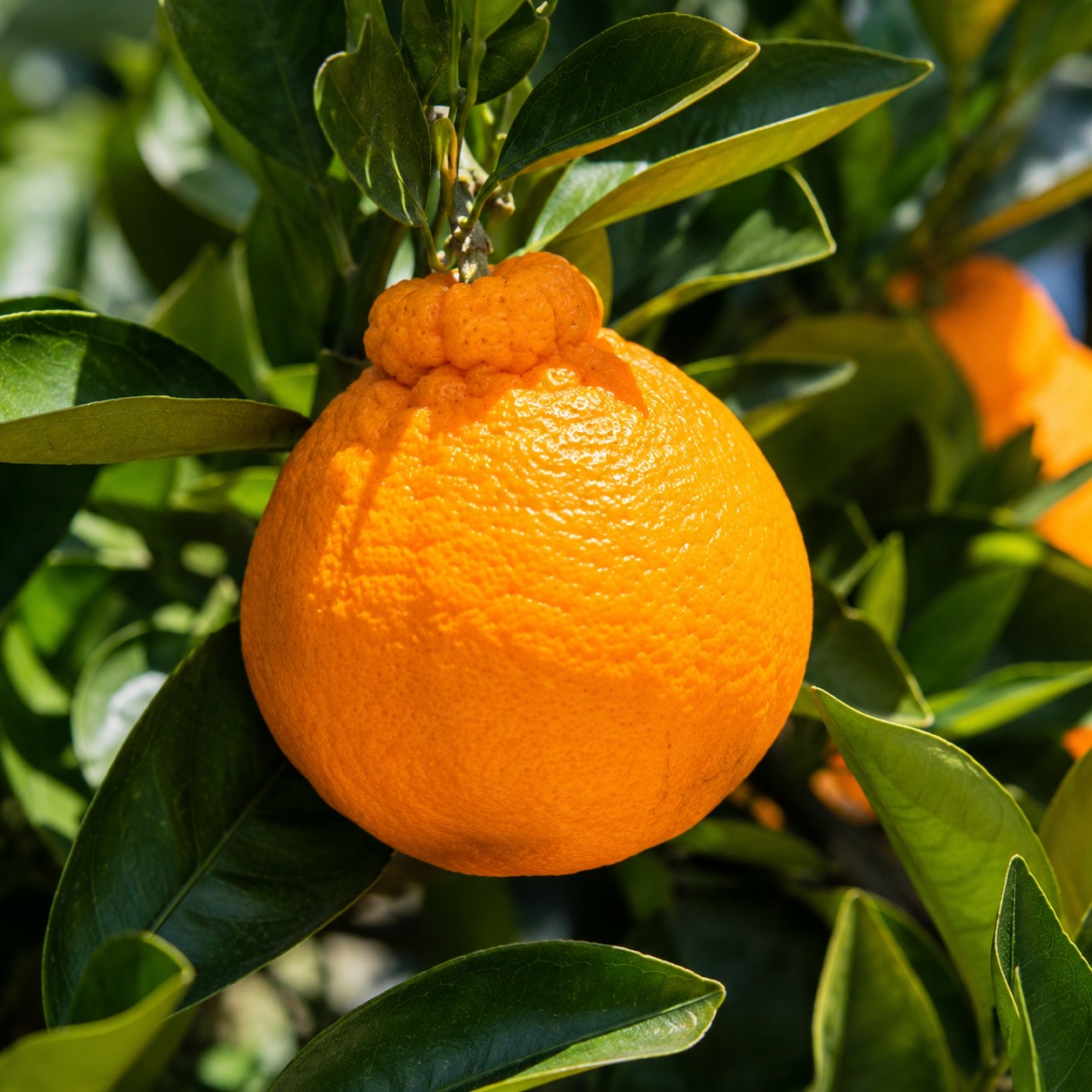
Dekopon is usually available from late winter to early spring.
Why It’s Popular
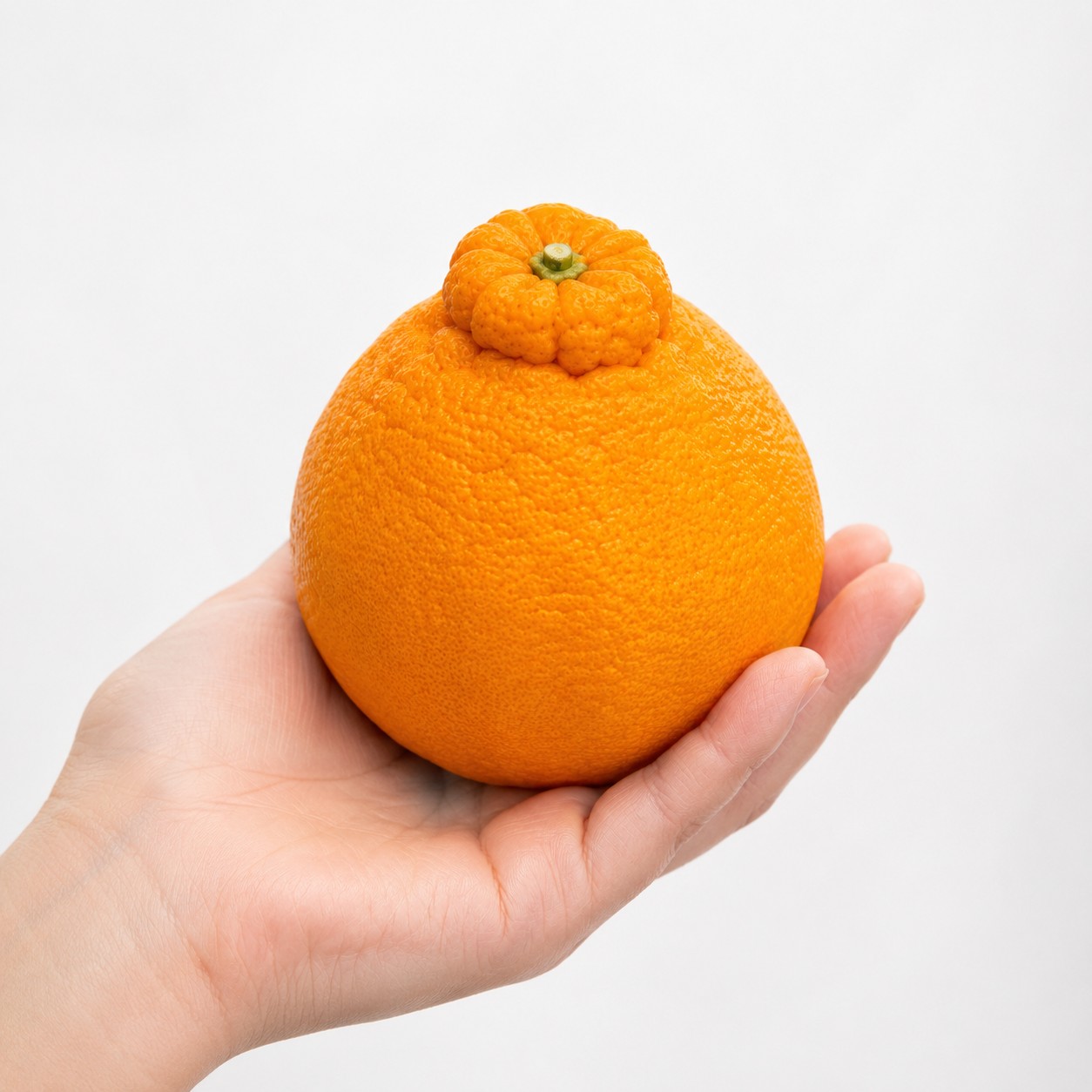
Its unique shape and consistently high sugar content make it one of Japan’s most famous citrus fruits.
Dekopon is especially loved for its excellent balance of sweetness and acidity. Unlike extremely sweet premium citrus, Dekopon keeps a refreshing citrus character that makes it enjoyable for both adults and children.
It is also highly valued for juice because the flavor remains rich and balanced without becoming overly sweet or overly sour.
Challenges of Growing Dekopon
Although Dekopon remains one of Japan’s most famous citrus varieties, production has gradually decreased in some citrus-growing regions of Ehime.
One reason is the aging population of growers, while another is the increasing shift toward newer premium varieties such as Kanpei and Setoka.
Dekopon also requires careful post-harvest storage. Large well-ventilated storage facilities are needed, and some fruit may spoil during storage before shipment.
Because the variety requires significant labor and time while market prices are not always especially high, some growers have gradually reduced production.
Even so, Dekopon continues to have strong popularity because of its balanced flavor, approachable sweetness, and refreshing acidity.
In many citrus-growing areas of Ehime, Dekopon is still considered one of the classic family-friendly Japanese citrus varieties.
Where It’s Grown
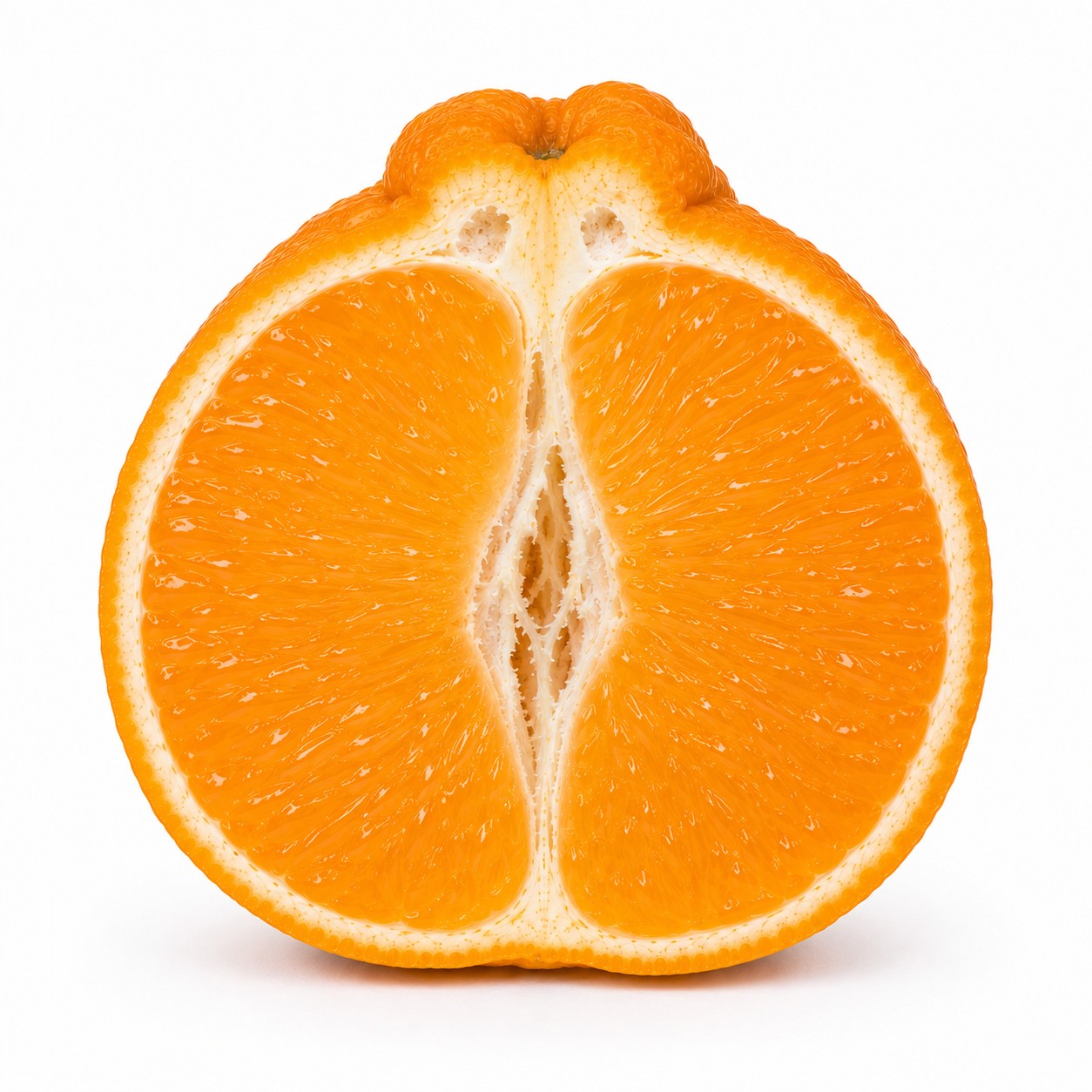
Dekopon is cultivated in various regions of Japan with controlled growing conditions.