Anseikan
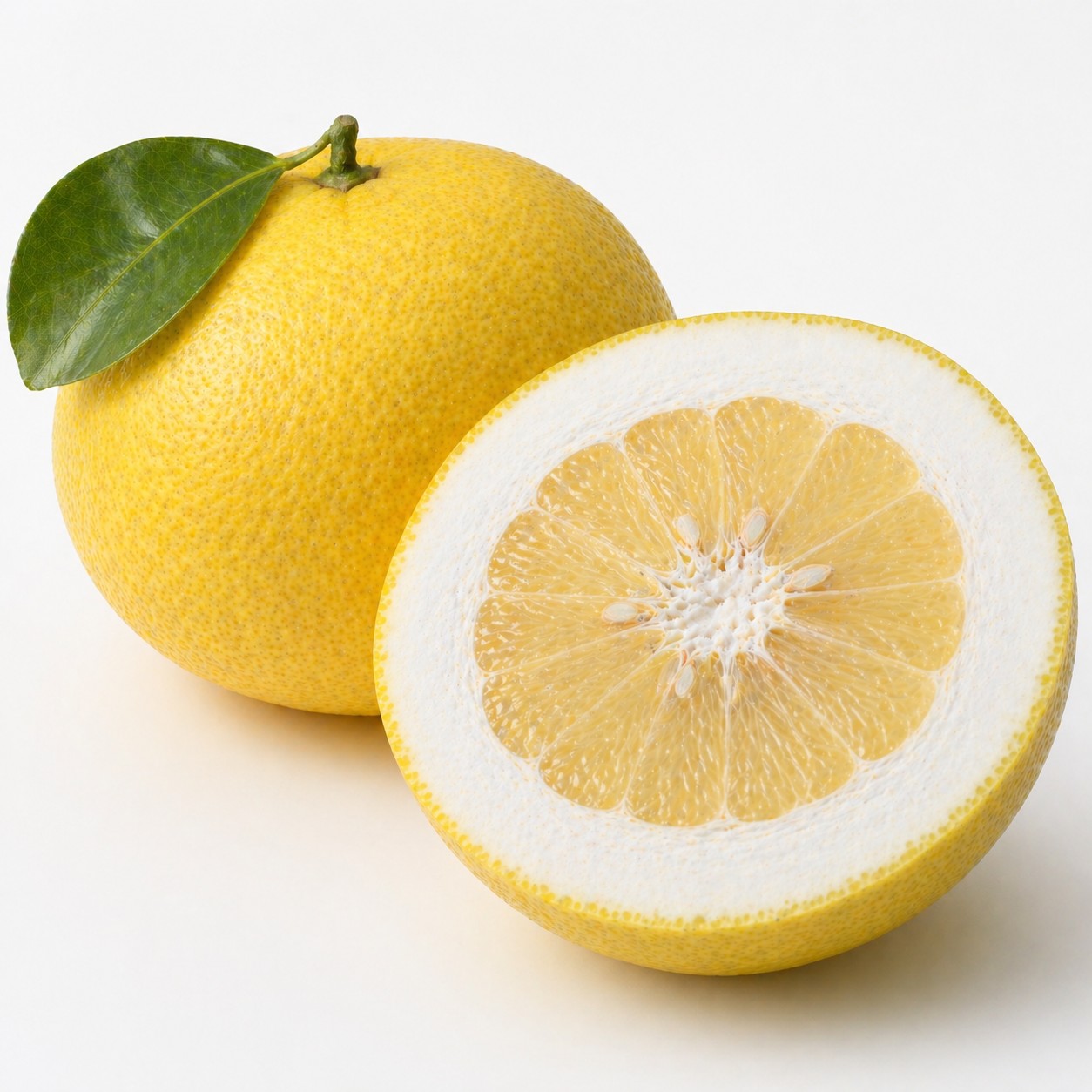
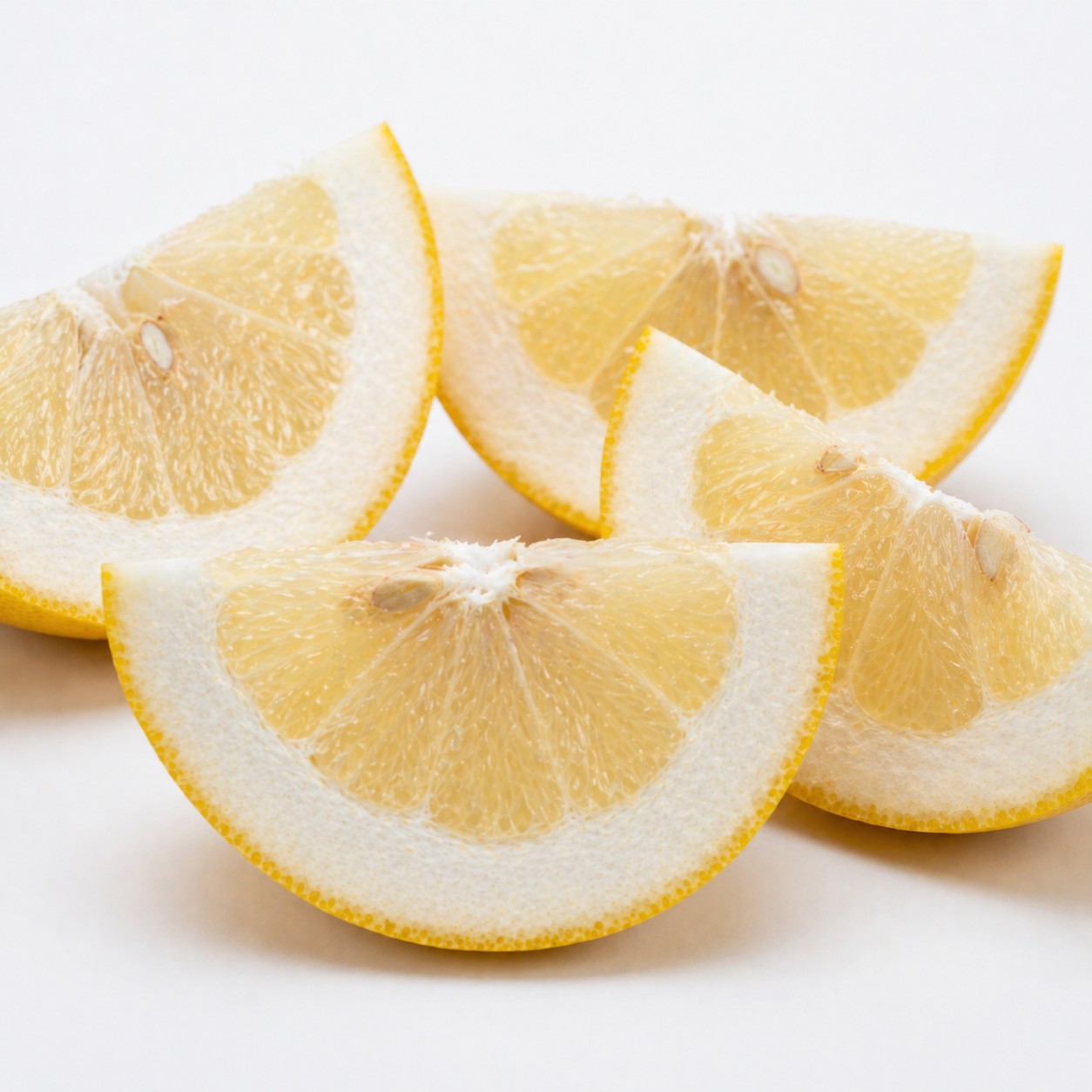
Anseikan is a large citrus fruit belonging to the pomelo family. It is known for its mild sweetness and refreshing taste.
Overview
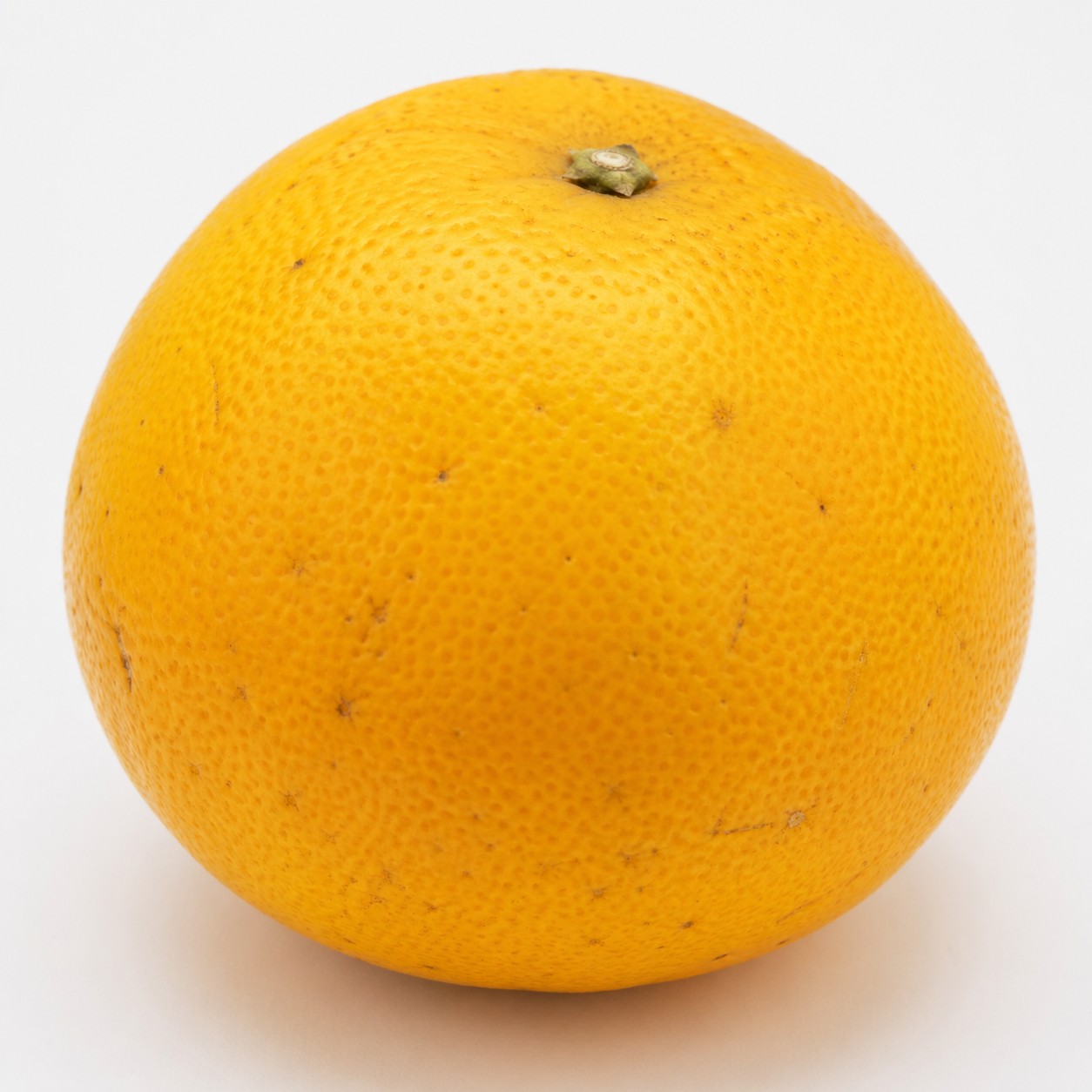
- Japanese name: Anseikan
- Type: Pomelo-type citrus
- Taste: Mildly sweet, refreshing acidity
- Seeds: May contain seeds
- Peel: Very thick
Flavor Profile
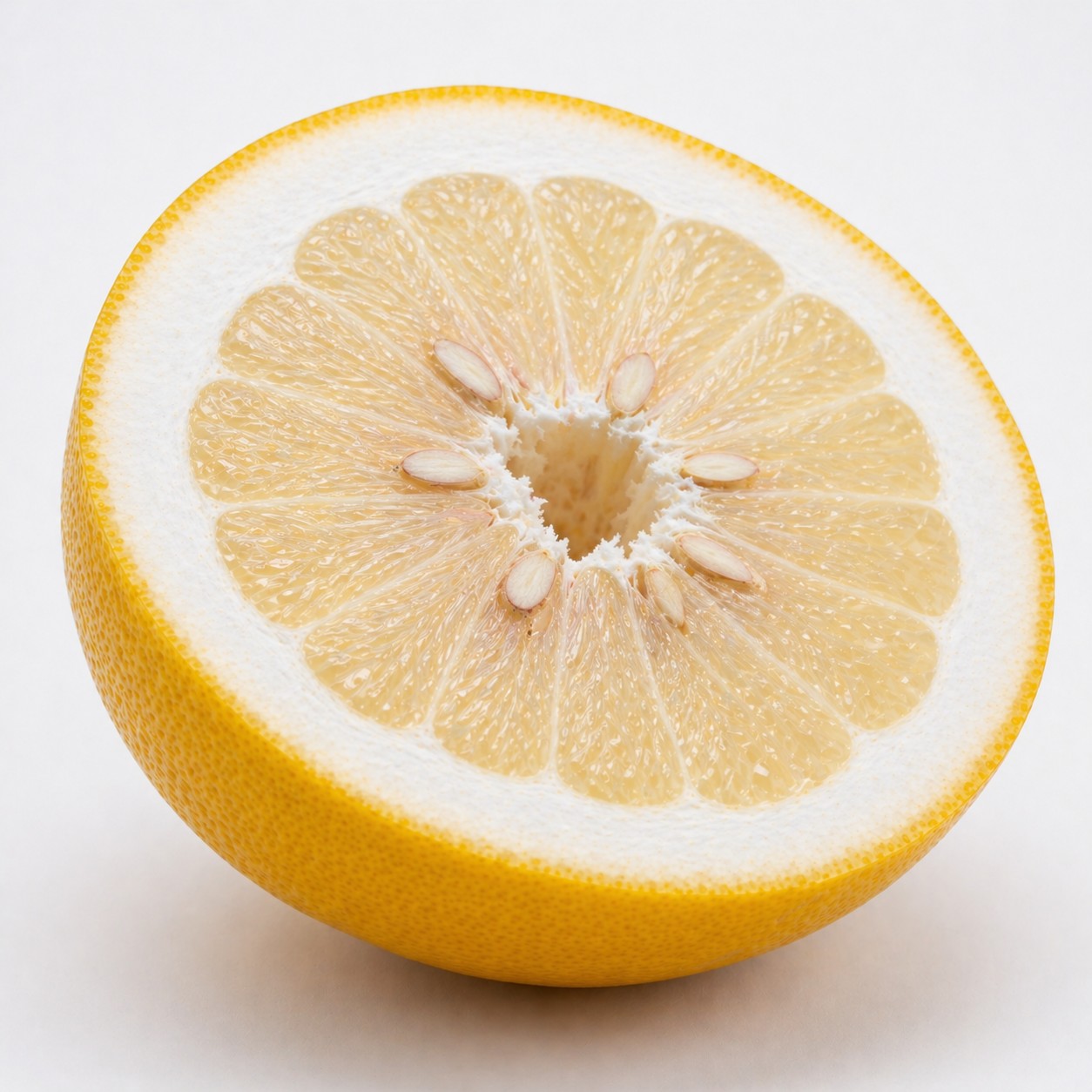
Anseikan offers a light, clean flavor with a balance of sweetness and acidity. The flesh has a firm, crunchy texture with well-developed citrus vesicles, giving Anseikan a pleasant crisp bite that differs from softer modern mandarins.
Related Japanese Citrus to Compare
- Natsumikan – for a well-known traditional summer citrus.
- Amanatsu – for a large tart citrus with more eating appeal.
- Hassaku – for a firmer and slightly bitter comparison.
Is This Citrus Right for You?
- Best for: Fans of large traditional citrus fruits
- Not ideal for: People looking for modern sweet varieties
- Taste profile: Mild sweetness with some bitterness
- Texture: Firm, thick peel, classic citrus structure
- Best use: Fresh eating, traditional citrus experience
Not sure how it compares to other citrus? See the best Japanese citrus ranked here →
Looking for sweeter options? See the sweetest Japanese citrus fruits →
Season
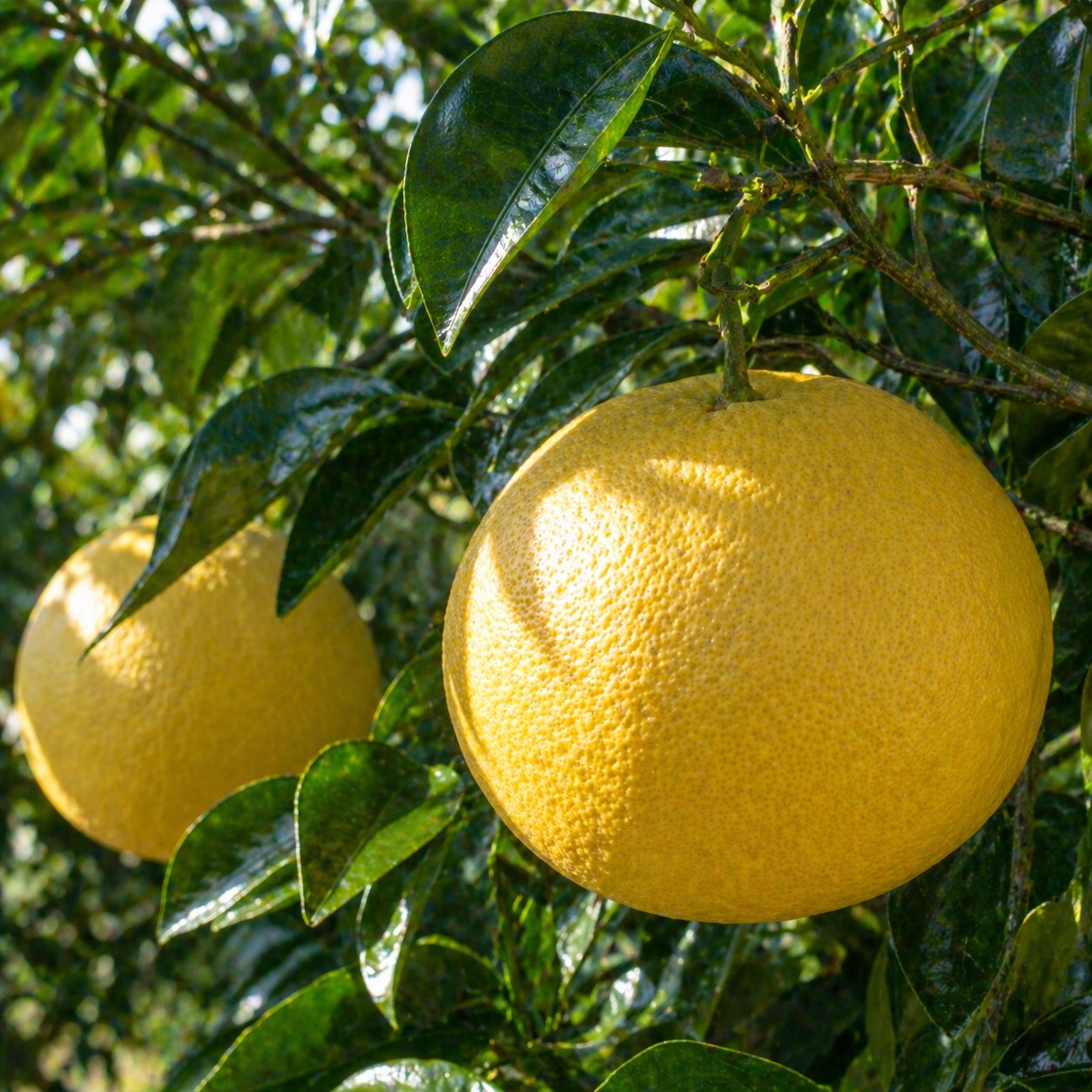
It is typically harvested from late winter to spring (March to May).
Why It’s Popular

Its large size and refreshing taste make it unique among citrus, especially for those who enjoy pomelo-type fruits.
Its crisp texture, light sweetness, and refreshing eating quality make Anseikan especially enjoyable for people who prefer traditional citrus with character rather than extremely sweet modern varieties.
Where It’s Grown
Anseikan is an extremely rare traditional citrus mainly grown along the Shimanami Kaido coastal region connecting Hiroshima and Ehime Prefectures.
Although it belongs to the pomelo-type citrus group, Anseikan is classified within the mandarin citrus family rather than the true pomelo category.
The variety is believed to date back to the Ansei era of the Edo period, and it is said to have received the name “Anseikan” during the Meiji era.
Even today, it continues to have loyal local popularity in the region, where growers still carefully cultivate it as a traditional regional citrus.