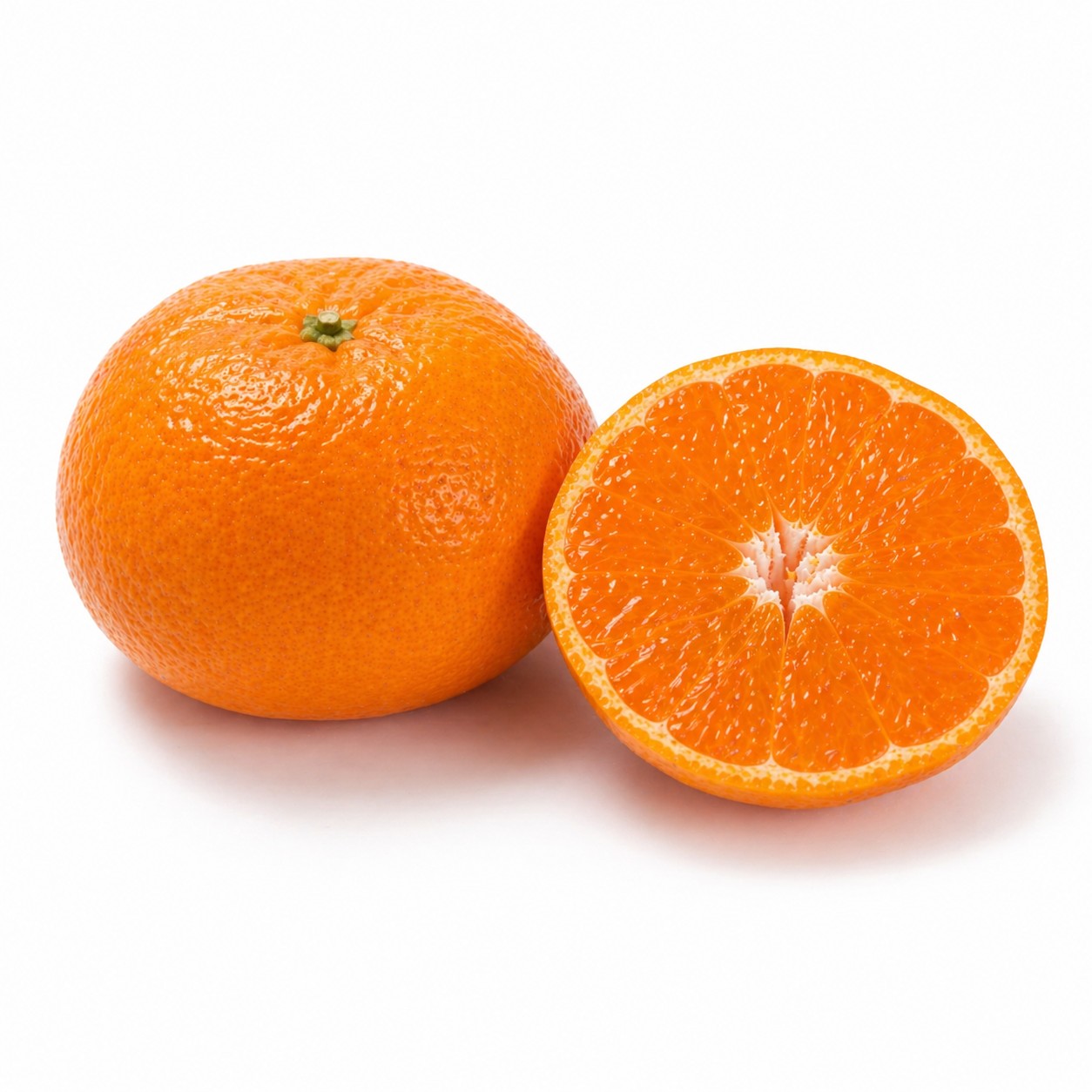
Mikan (Satsuma Mandarin) is one of the most popular Japanese citrus fruits. Known for its sweet flavor, easy-to-peel skin, and seedless segments, it is widely enjoyed in Japan and increasingly popular worldwide.
Overview
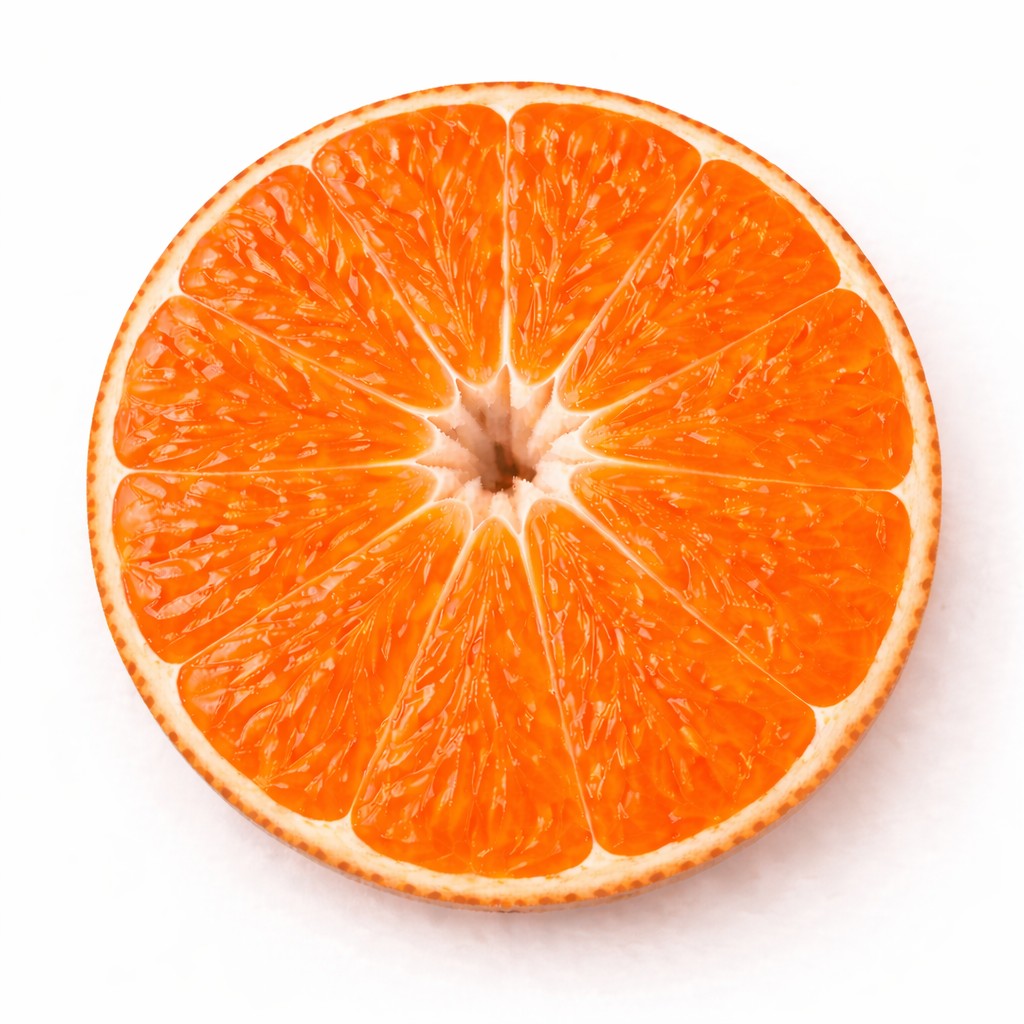
- Japanese name: Mikan (Unshu Mikan)
- Type: Mandarin
- Taste: Sweet, mild acidity
- Seeds: Seedless
- Peel: Very easy to peel
Flavor Profile
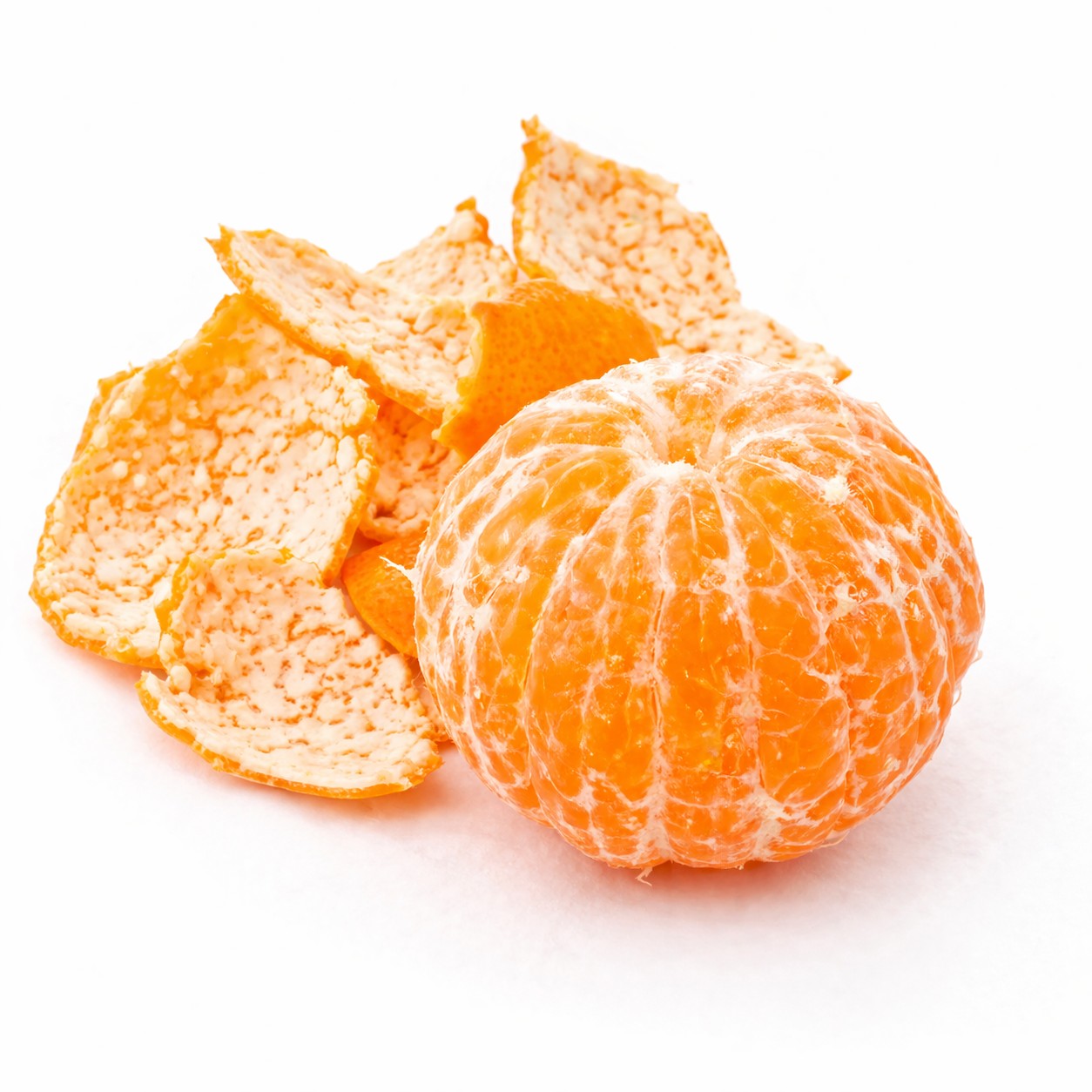
Mikan has a well-balanced sweetness with low acidity, making it very easy to eat. It is juicy and refreshing, with a light citrus aroma.
Related Japanese Citrus to Compare
- Harumi – if you like easy-to-eat sweet mandarins.
- Kiyomi – for a richer orange-like flavor.
- Setoka – for a premium, juicier upgrade.
Is This Citrus Right for You?
- Best for: Everyday snacking, beginners, easy-to-eat citrus
- Not ideal for: People looking for intense flavor or strong acidity
- Taste profile: Mild sweetness with very low acidity
- Texture: Soft, juicy, easy to peel
- Best use: Fresh eating, lunch snacks, casual consumption
Not sure how it compares to other citrus? See the best Japanese citrus ranked here →
Looking for sweeter options? See the sweetest Japanese citrus fruits →
Season
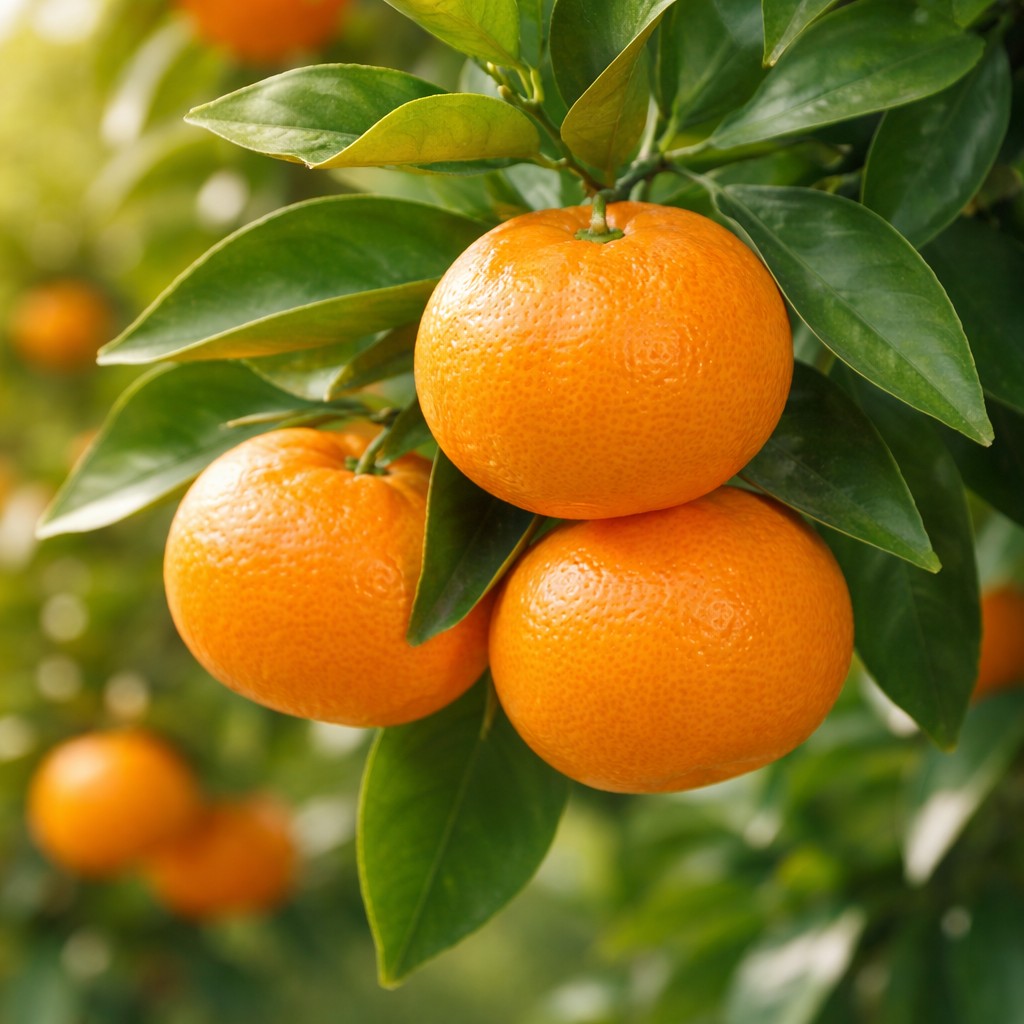
Mikan is typically harvested from autumn to early winter, making it a seasonal favorite in Japan.
Why It’s Popular
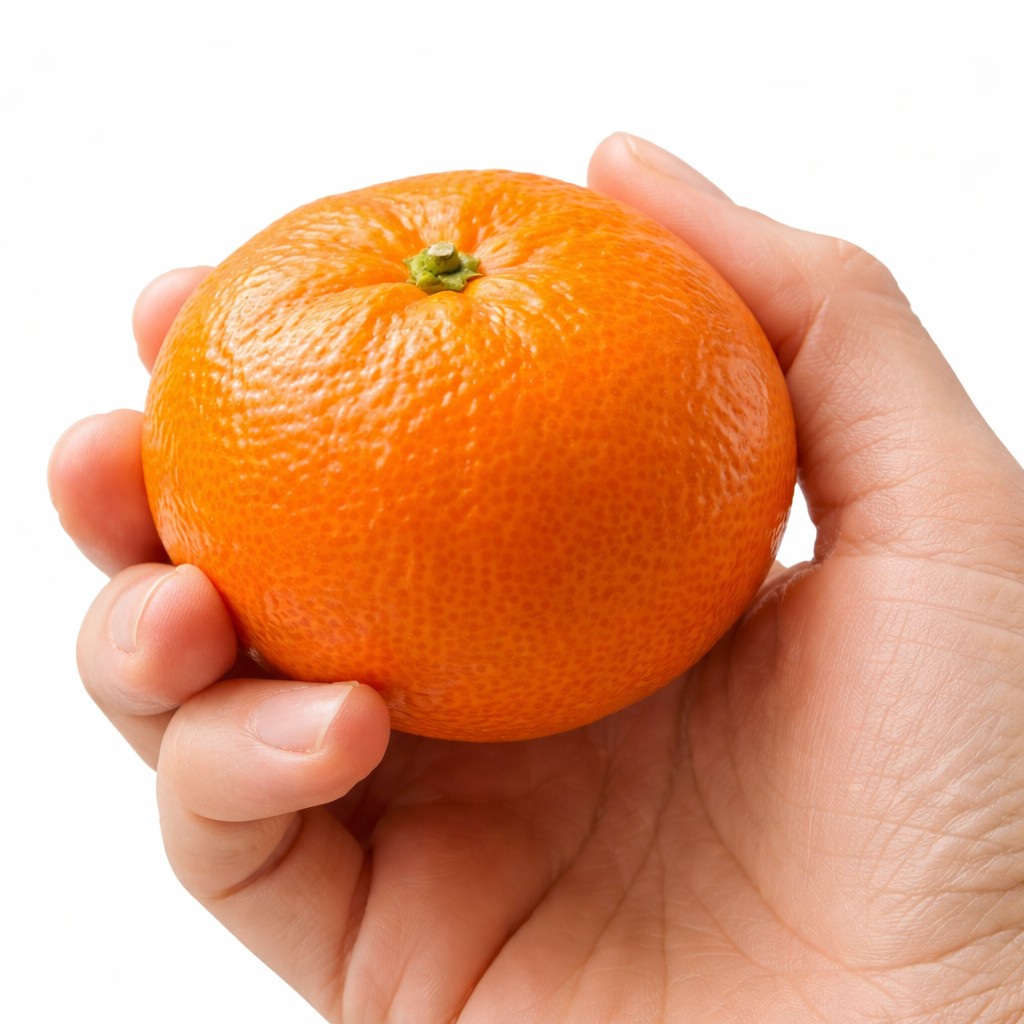
Mikan is extremely convenient to eat. The peel comes off easily by hand, and the fruit is naturally divided into segments, making it perfect for snacking.
Mikan and Japanese Winter Culture
In Japan, the image of eating mikan under a kotatsu table during winter is one of the country’s most familiar seasonal traditions.
Even today, a basket of mikan placed on a kotatsu table still feels nostalgic and comforting to many Japanese people.
In citrus-growing regions such as Ehime, many people still prefer the balanced sweet-and-tart flavor of traditional mikan over newer premium citrus varieties with extremely high sugar content and very low acidity.
It is also common for local families to grow mikan trees in their gardens for personal use.
During harvest season, people frequently share mikan with neighbors, relatives, and friends. In some citrus-growing areas, it is not unusual to suddenly find boxes of mikan left outside the front door by someone nearby.
For many people living in Japan’s citrus regions, buying mikan for everyday home consumption is surprisingly uncommon because there is simply so much fruit shared locally during the season.
Where It’s Grown

Mikan is widely grown in Japan, especially in regions with a mild climate.