Japanese Citrus Varieties: Types, Flavor, and Season Guide
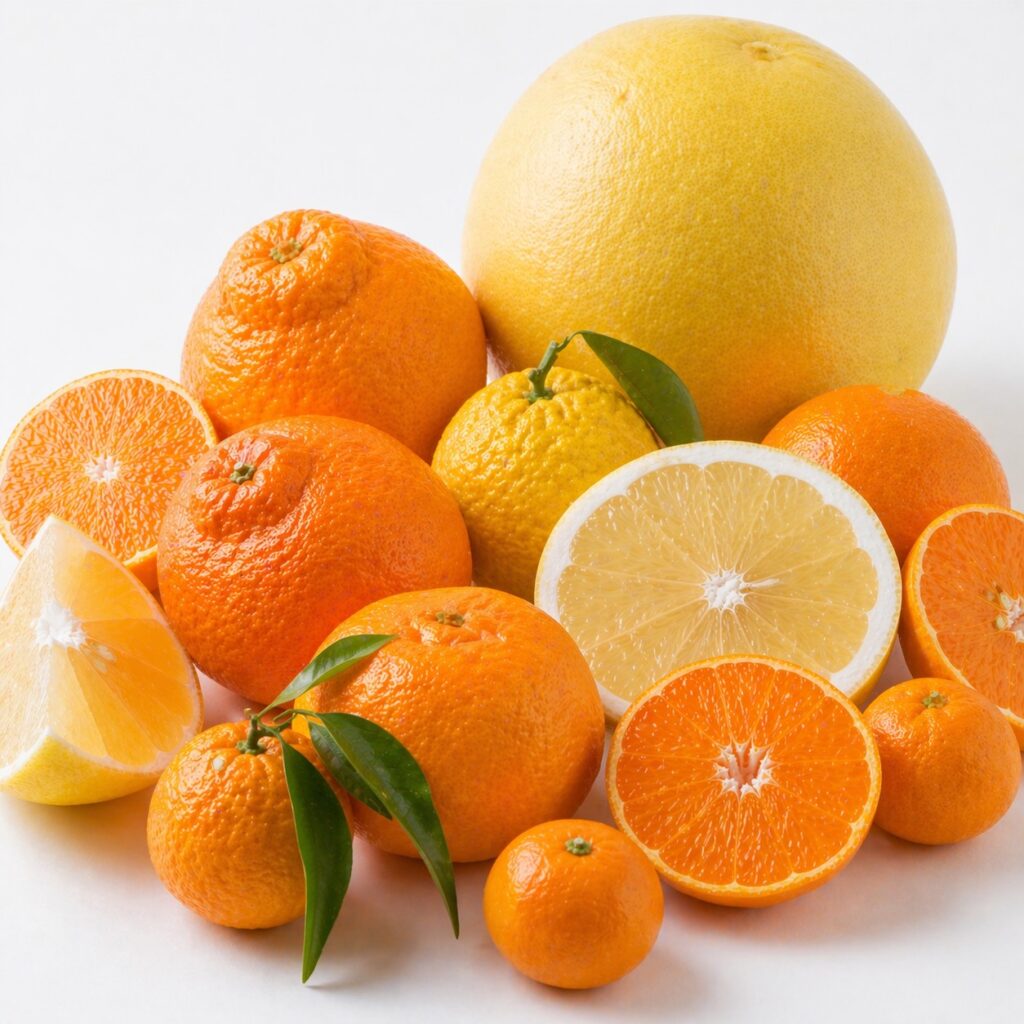
Japanese citrus varieties are a diverse group of citrus fruits grown in Japan,
including sweet mandarins, aromatic citrus like yuzu, and unique regional hybrids.
These fruits are known for their wide range of flavors, textures, and seasonal availability.
Japan is home to a wide variety of unique citrus fruits, ranging from sweet mandarins to highly aromatic cooking citrus.
These Japanese citrus varieties are known for their diverse flavors, textures, and seasonal availability.
In this guide, you will discover popular Japanese citrus fruits and how they differ in taste, sweetness, and usage.
Popular Japanese Citrus Varieties
Mikan (Satsuma Mandarin)
The most popular Japanese citrus, known for its easy-to-peel skin and sweet, juicy flavor.
Dekopon (Shiranui)
A premium Japanese citrus famous for its high sweetness and distinctive bump on the top.
Setoka
A luxury Japanese citrus with a melting, jelly-like texture and very high sugar content.
Kanpei
A premium citrus known for its exceptional sweetness and dense, juicy flesh.
Iyokan
A refreshing citrus with a balance of sweetness, mild acidity, and slight bitterness.
Amanatsu
A traditional Japanese citrus with a refreshing sweet-tart flavor and firm texture.
Hassaku
A classic citrus offering a unique balance of sweetness, acidity, and gentle bitterness.
Kiyomi
A juicy Japanese citrus with a smooth texture and well-balanced sweet flavor.
Yuzu
A highly aromatic citrus widely used in Japanese cuisine for its intense fragrance.
Sudachi
A small, aromatic citrus used to add fresh acidity to dishes and drinks.
Kabosu
A fragrant citrus with mild acidity, commonly used in Japanese cooking and sauces.
Beni Madonna
A premium citrus known for its exceptional sweetness and jelly-like, juicy texture.
How Many Citrus Varieties Are There in Japan?
Japan is home to many citrus varieties, including both traditional fruits and modern hybrids.
Over the years, new varieties have been developed to improve sweetness, texture, and ease of peeling.
Today, Japanese citrus ranges from easy-to-eat mandarins like mikan to highly aromatic fruits such as yuzu and sudachi.
How Japanese Citrus Varieties Differ in Flavor
Japanese citrus fruits vary widely in sweetness, acidity, and aroma.
Explore the differences using the Japanese Citrus Flavor Wheel
Japanese Citrus Seasons
Different citrus fruits are harvested at different times of the year.
See when each fruit is in season in the Japanese Citrus Season Calendar
Complete List of Japanese Citrus
For a full alphabetical list of Japanese citrus varieties, visit the Japanese Citrus List (A–Z)