Navel Orange: The Classic Sweet Orange with Rich Flavor and a Signature Navel

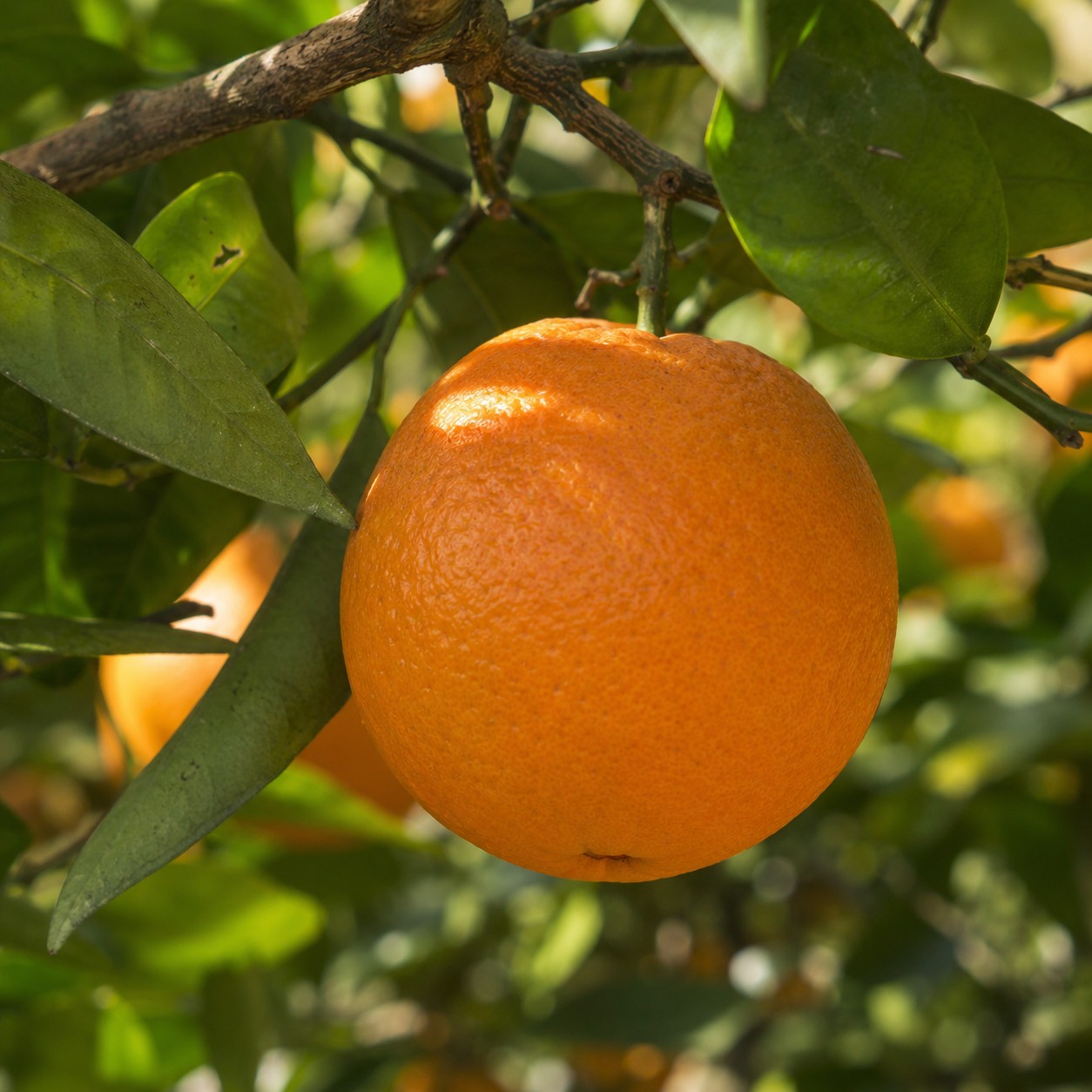
Navel Orange is one of the world’s most recognizable sweet oranges, loved for its rich sweetness, refreshing aroma, and easy-to-eat flesh. Its name comes from the small secondary fruit formation at the bottom that resembles a human navel.
Compared to sharper citrus varieties, Navel Orange is usually sweeter, lower in acidity, and fuller in body. Its balanced flavor and juicy texture make it one of the most approachable citrus fruits for fresh eating.
Overview

Navel Orange is a sweet orange variety famous for its seedless flesh, thick fragrant peel, and characteristic navel formation. The fruit is typically round with a deep orange color and dense juicy flesh.
- Japanese name: Navel Orange(ネーブルオレンジ)
- Type: Sweet orange citrus
- Taste: Rich sweetness with low acidity
- Seeds: Usually seedless
- Peel: Moderately thick and aromatic
Flavor Profile

Navel Orange has a sweet, full-bodied citrus flavor with relatively low acidity compared to many Japanese citrus varieties. The flesh is dense, juicy, and highly aromatic.
Unlike lighter mandarins such as Unshu Mikan, Navel Orange has a deeper orange flavor and a richer sweetness. Its fragrance is bright and refreshing without excessive tartness.
- Sweetness: High
- Acidity: Low to medium
- Aroma: Rich sweet orange fragrance
- Texture: Dense, juicy, tender flesh
Related Japanese Citrus to Compare
- Blood Orange — deeper berry-like flavor and dark red flesh
- Kiyomi — softer Japanese orange hybrid with balanced sweetness
- Iyokan — more traditional Japanese citrus aroma and mild acidity
- Dekopon — sweeter and more intense premium citrus flavor
Is This Citrus Right for You?
Navel Orange is ideal for people who enjoy rich sweetness and classic orange flavor. Its low acidity makes it approachable even for people who find sour citrus too sharp.
- Best for: Fans of sweet oranges and rich citrus flavor
- Not ideal for: People seeking intense acidity or complex bitterness
- Taste profile: Sweet, fragrant, smooth
- Texture: Dense and juicy
- Best use: Fresh eating, juice, desserts
If you enjoy sweet and easy-to-eat citrus, you may also like Harumi or Setoka.
Looking for richer citrus flavor? Compare it with Blood Orange.
Season
Navel Orange is typically harvested from winter into early spring. The fruit develops its best sweetness as temperatures cool.
See the Japanese Citrus Season Calendar to compare harvest periods across varieties.
Why It’s Popular

Navel Orange remains globally popular because of its dependable sweetness, low acidity, and pleasant fragrance. Its seedless flesh and juicy texture also make it especially easy to enjoy fresh.
The distinctive navel formation gives the fruit a unique identity that is instantly recognizable worldwide.
Where It’s Grown

Navel Orange originated from sweet orange cultivars and became globally famous through large-scale cultivation in warm citrus-growing regions.
In Japan, Navel Orange is grown in several citrus-producing areas including Ehime Prefecture, where warm coastal climates support high-quality citrus cultivation.