Blood Orange
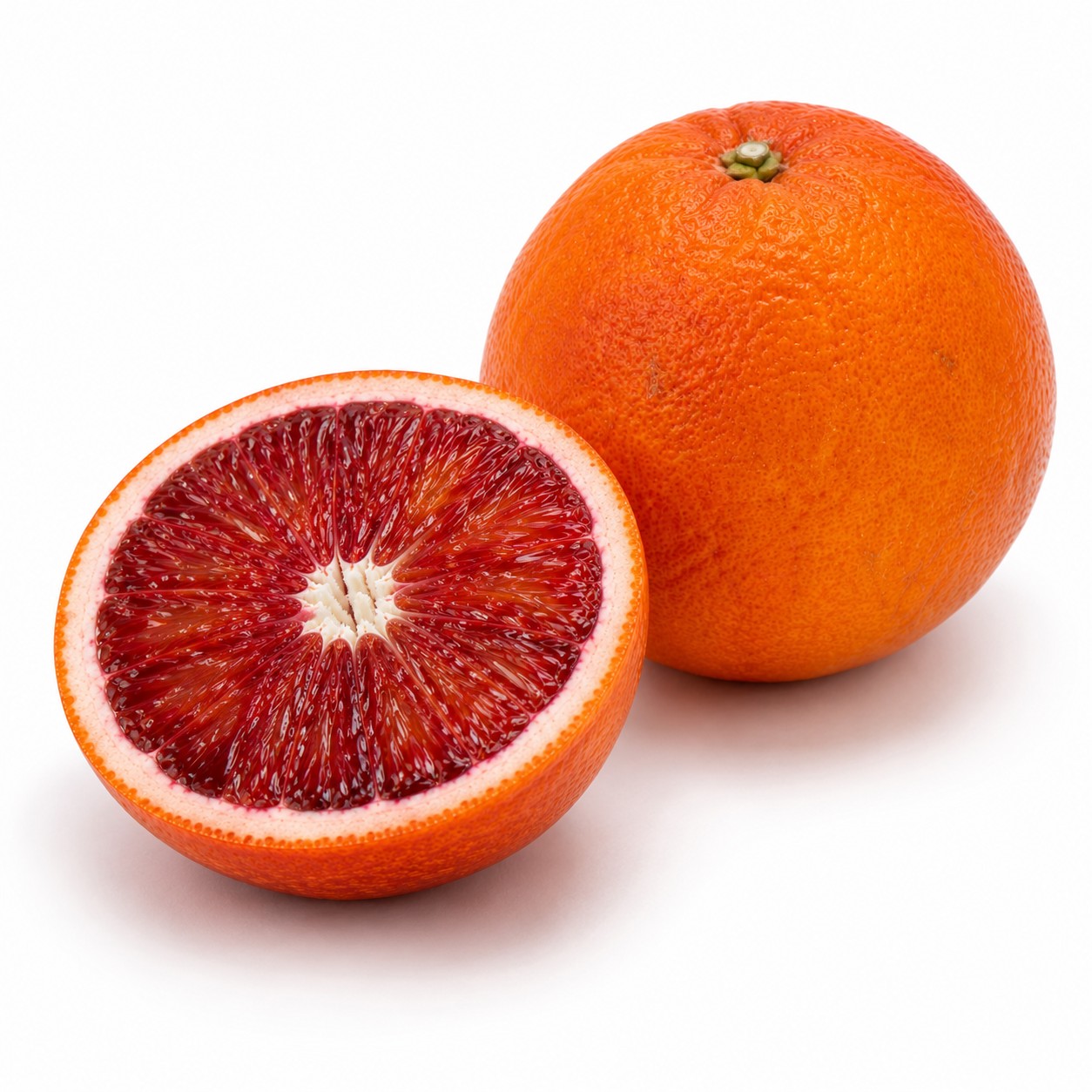
Blood Orange is a striking citrus fruit known for its deep red flesh, rich sweetness, and berry-like aroma.
Overview
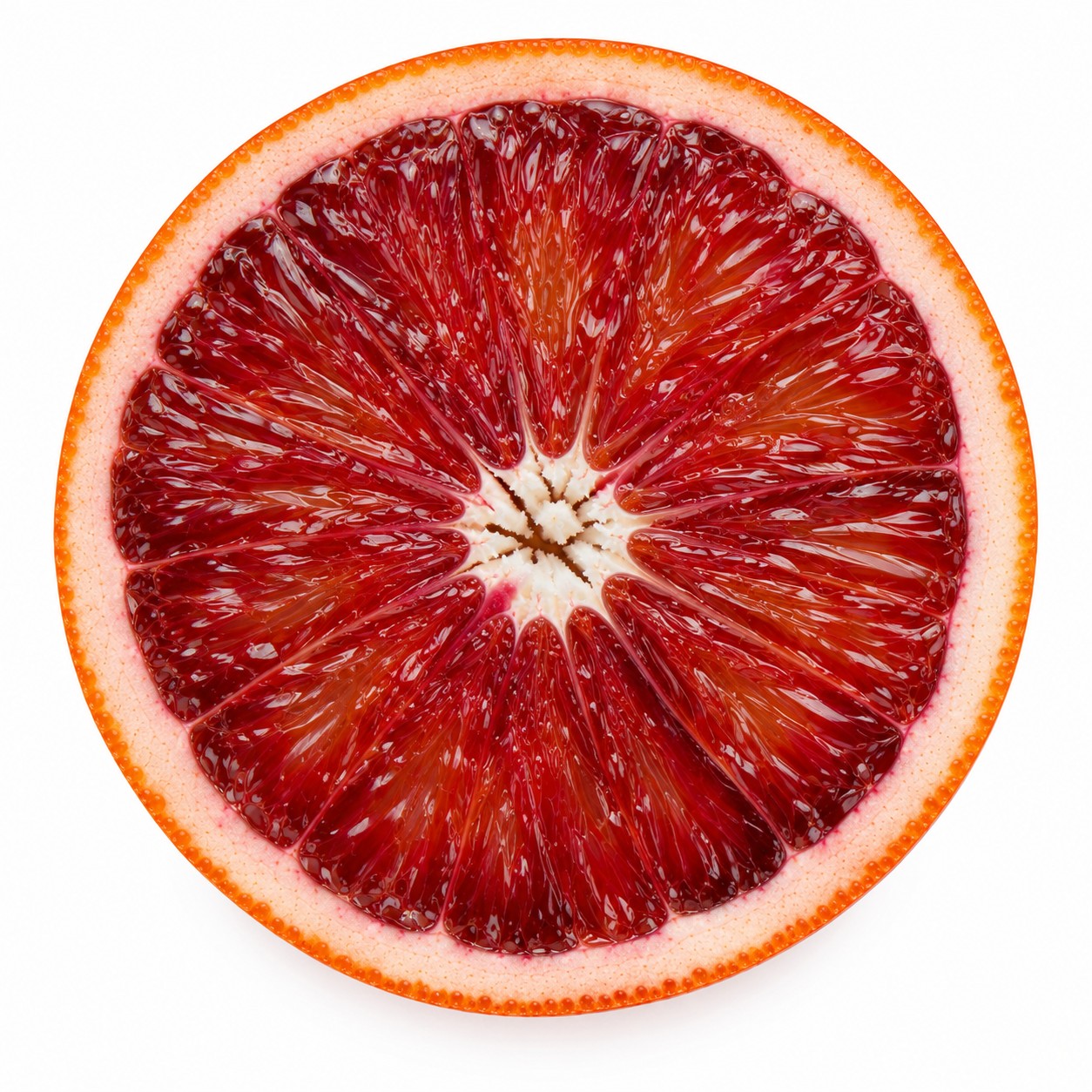
- Japanese name: Blood Orange
- Type: Orange citrus
- Taste: Sweet with berry-like richness
- Seeds: Usually few
- Peel: Moderately thick
Flavor Profile
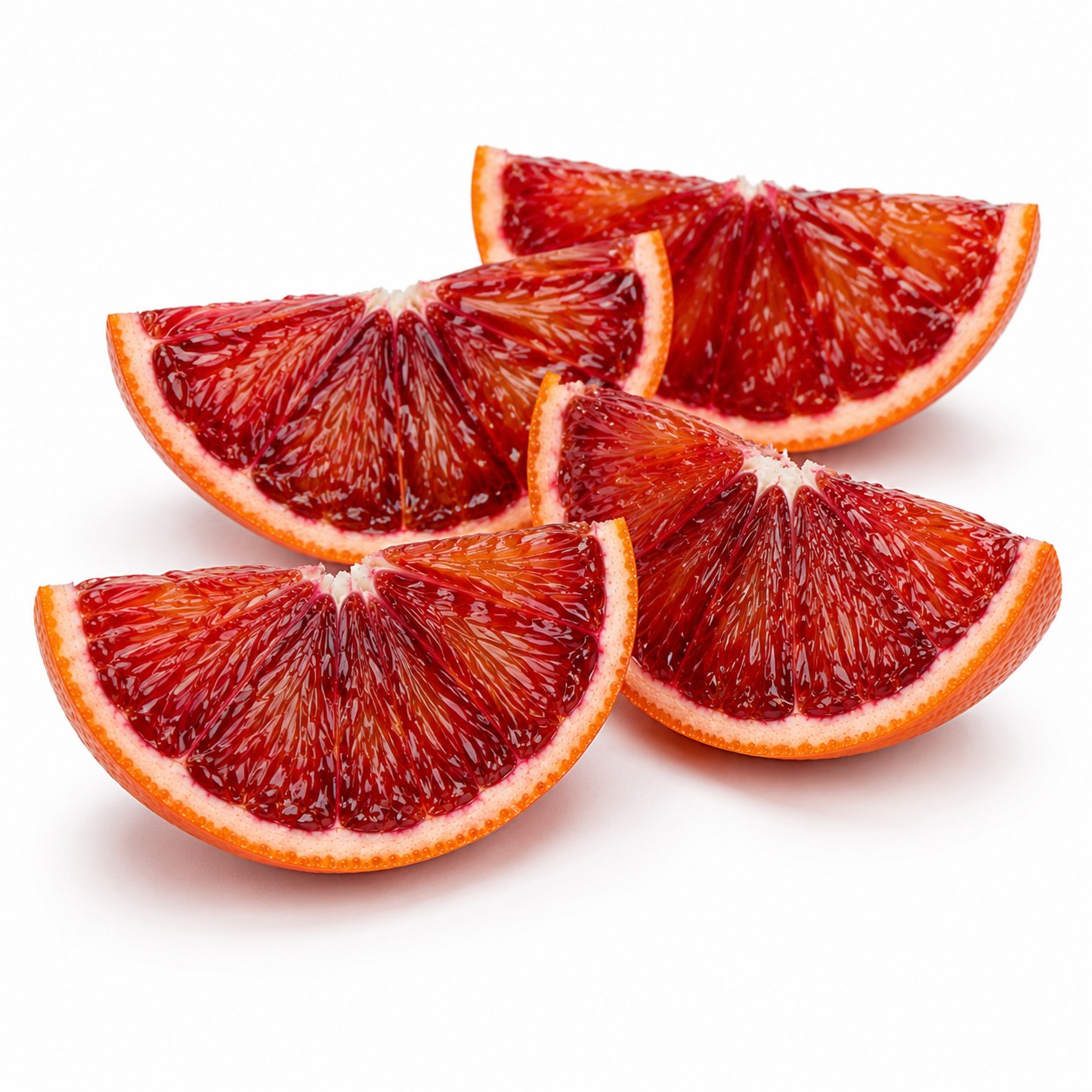
Blood Orange combines citrus sweetness with deep berry-like notes and mild acidity. The vivid red flesh gives it a dramatic appearance.
Related Japanese Citrus to Compare
- Dekopon – for sweeter mandarin-like richness.
- Iyokan – for classic orange-like citrus flavor.
- Kiyomi – for balanced sweetness and acidity.
Is This Citrus Right for You?
- Best for: Fans of rich citrus flavors and vivid colors
- Not ideal for: People seeking mild sweetness
- Taste profile: Rich sweetness with berry-like aroma
- Texture: Juicy and tender
- Best use: Fresh eating, juice, desserts
Looking for sweeter options? See the sweetest Japanese citrus fruits →
Season
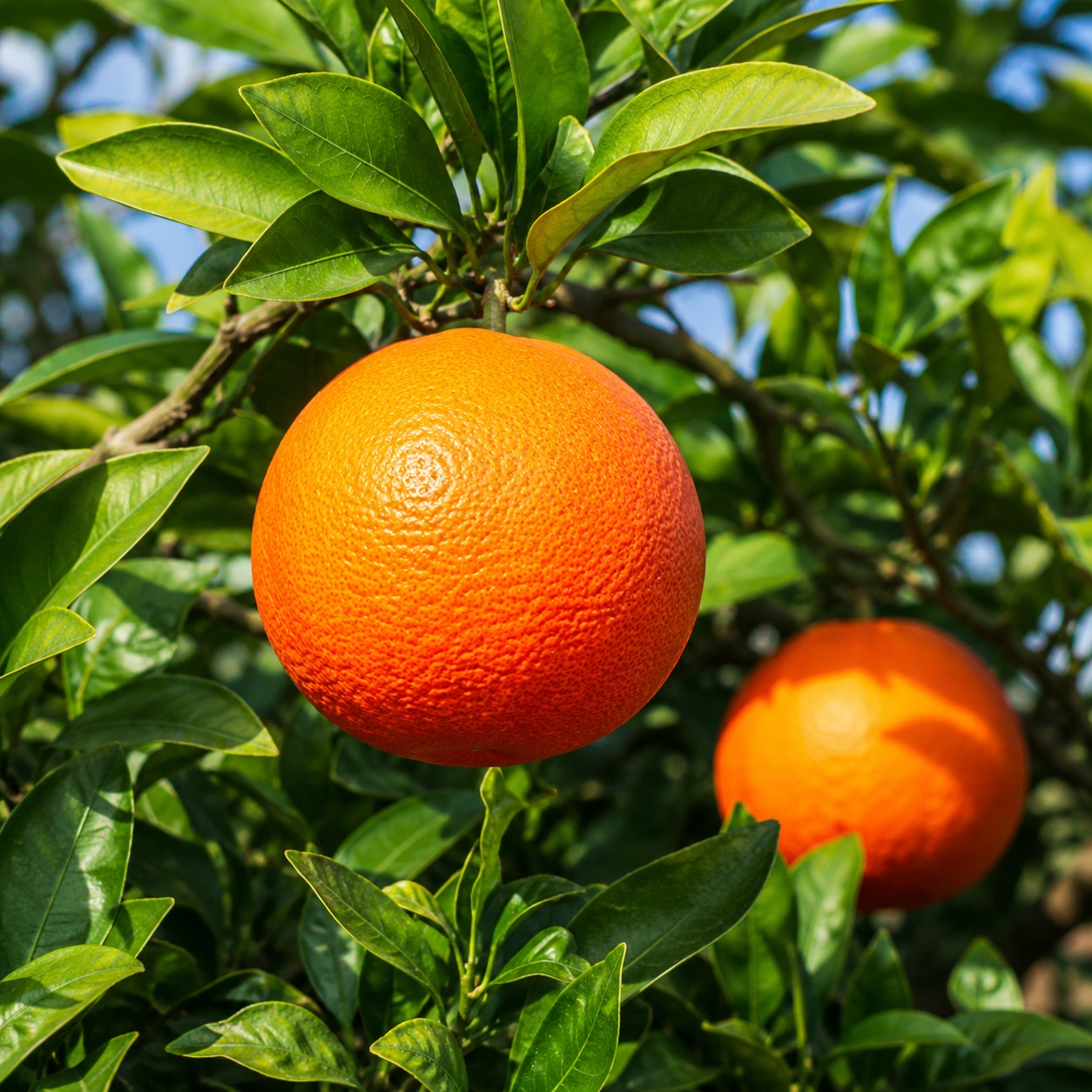
Blood Orange is generally harvested from winter through spring.
Common Blood Orange Varieties
Blood Orange is not a single variety. Several different blood orange cultivars are grown around the world, each with its own flavor, appearance, and level of red pigmentation.
Among the most well-known blood orange varieties are Tarocco and Moro, both of which are occasionally grown in Japan.
Tarocco
Tarocco is one of the most widely grown blood orange varieties and is often considered one of the sweetest.
It typically develops moderate red coloration while maintaining a good balance of sweetness and acidity.
Many people appreciate Tarocco for its pleasant flavor and juicy texture.
Moro
Moro is famous for its deep red flesh and bold appearance.
Compared with Tarocco, Moro often develops darker pigmentation and a stronger blood orange character.
Its dramatic color makes it popular for juice, desserts, and visual presentation.
Although both varieties are commonly referred to as blood oranges, they can differ noticeably in color intensity, sweetness, and overall flavor profile.
Why It’s Popular
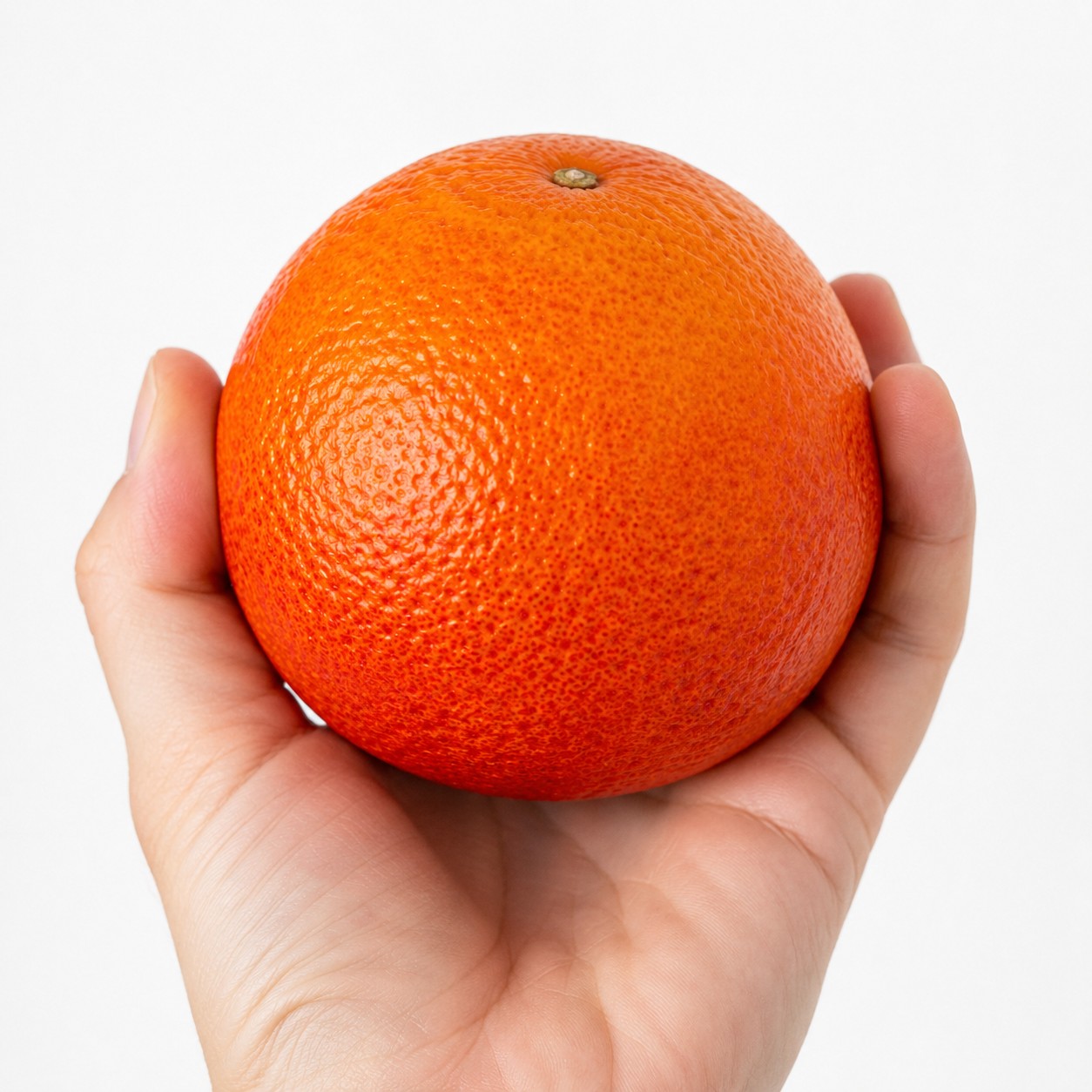
Its deep red flesh and unique flavor make Blood Orange visually distinctive and popular worldwide.
Where It’s Grown
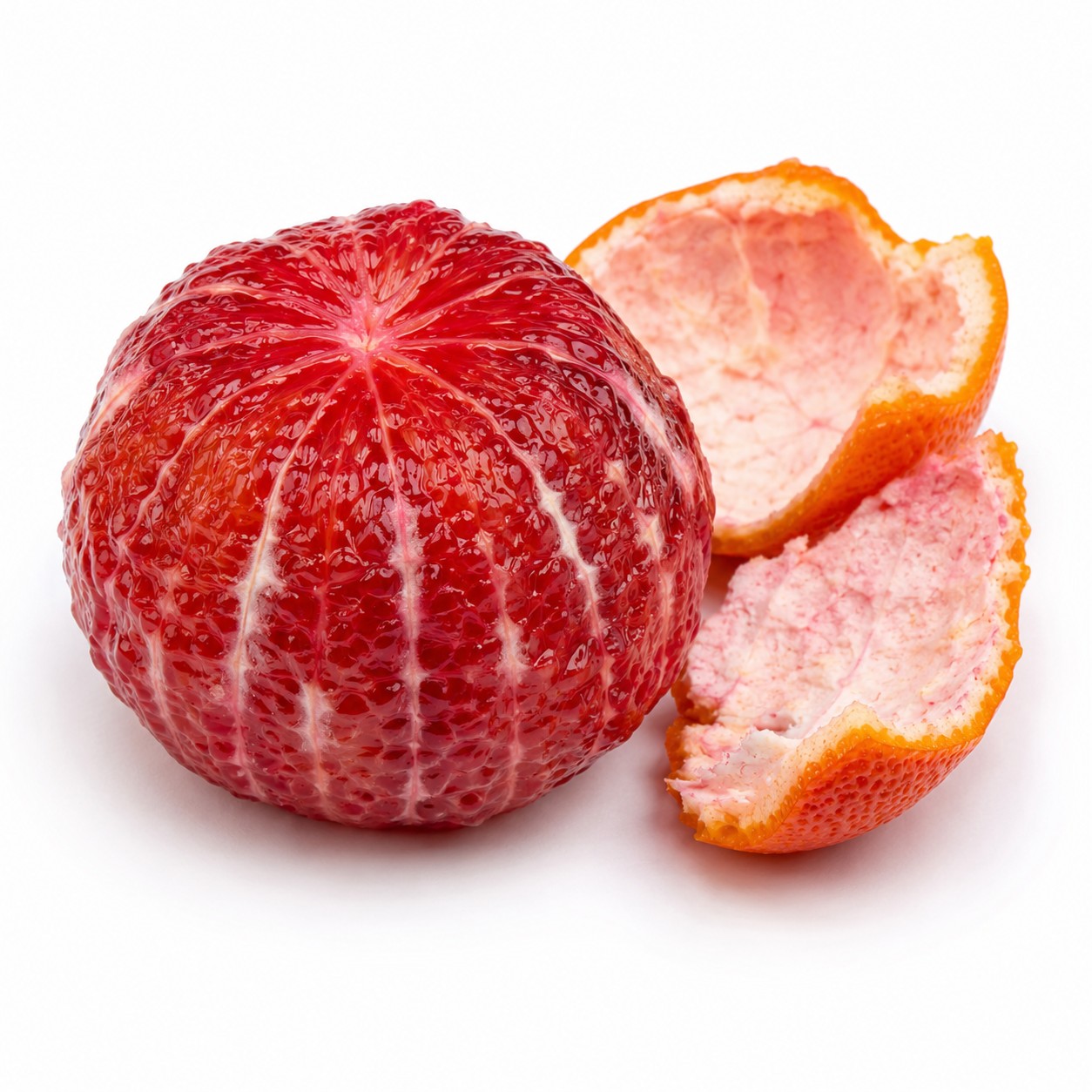
Blood Orange is grown in several citrus regions of Japan, especially in warm climates such as Ehime.
Blood Orange Juice in Japan
One of the most distinctive features of Blood Orange is its intensely red juice. When squeezed, it produces a beautiful crimson-colored juice that stands out from ordinary orange juice.
Because of this strong natural color, blood oranges are usually processed separately from other citrus fruits. Even a small amount of blood orange juice can tint an entire batch of juice red, making it difficult to produce the bright yellow or orange color expected from other varieties. Juice-processing equipment also needs to be cleaned carefully or used at different times to avoid color transfer.
Among the different blood orange varieties, Tarocco is especially popular for juice thanks to its high sweetness, rich flavor, and balanced acidity. It produces a smooth, full-bodied juice, although the fruit is generally more expensive than ordinary oranges.
Moro is famous for its dramatic deep red flesh. While it is usually less sweet than Tarocco, its bold color and refreshing acidity create the classic blood orange flavor that many people expect. The first time you see freshly squeezed Moro juice, it is easy to understand why it is called “Blood Orange.”
Interestingly, Japanese consumers often appreciate the balance of sweetness and acidity rather than extreme sweetness alone. That makes both Tarocco and Moro popular for different reasons.