Japanese Citrus Fruits: Complete List of Varieties (A–Z)
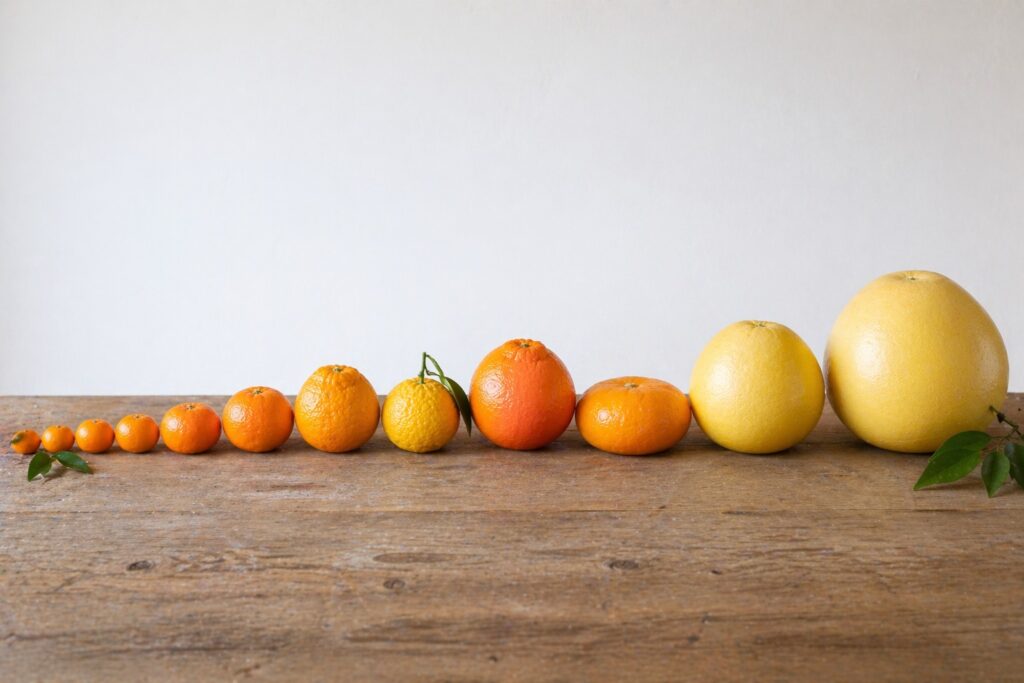
Japan is home to a remarkable diversity of citrus fruits. While many people know popular varieties such as mikan or yuzu, Japan actually produces dozens of unique citrus types with different flavors, aromas, and uses.
Some Japanese citrus fruits are sweet and easy to peel, making them perfect for eating fresh. Others are valued for their fragrance and are commonly used in cooking, desserts, or traditional dishes.
Below is a list of well-known Japanese citrus varieties. Click on a fruit name to learn more about its flavor, season, and characteristics.
Popular Japanese Citrus Varieties
This page lists Japanese citrus varieties alphabetically. For an introduction and comparison of popular fruits, see our complete guide to Japanese citrus varieties.
Japanese Citrus Varieties (A–Z)
Browse by letter:
A | B | C | D | E | F | G | H | I | J | K | L | M | N | O | P | Q | R | S | T | U | V | W | X | Y | Z
A
B
- Banpeiyu
- Beni Amanatsu
- Beni Hassaku
- Beni Madonna
- Buntan
- Beni princess
- Blood Orange
- Benibae
- Bushukan
C
- Chiran Kinkan
- Chandler Pomelo
D
- Daidai
- Dekopon (Shiranui)
E
- Egami Buntan
- Encore
F
- Fukuhara Orange
- Fukumoto Navel
G
- Golden Orange
- Grapefruit
H
- Haruka
- Harumi
- Hassaku
- Hyuganatsu
- Hebesu
- Harehime
- Hime Koharu
- Hirado Buntan
- Hanayu
- Hayaka
- Haruki
- Haruhi
- Hime no tsuki
- Hime Ruby
I
- Iyokan
- Iyo no Hikari
- Izu no Haru
- Iyo Gold
J
- Jabara
K
- Kabosu
- Kara Mandarin
- Kawachi Bankan
- Kawano Natsudaidai
- Kikudaidai
- Kiyomi
- Kiyomi Tangor
- Kinkan (Kumquat)
- Kunebo
- Kanpei
- Kinkoji
- Keraji
- Kabuchi
- Kusumoto Buntan
- Kishu Mikan
- Kaikoukan
M
- Mikan (Unshu Mikan)
- Miyagawa Wase
- Morita Navel
- Mihaya
- Minneola Tangelo
- Murcott
- Marihime
- Makopon
- Moro (Blood Orange)
N
- Natsudaidai
- Natsumi
- Navel Orange
- Nichinan No.1
- Naoshichi
- Natsumikan
- Nishi no kaori
- Nova Mandarin
- Nagato Yuzukichi
- Nanko
- Nijuumaru
- Niihime
O
- Okitsu Wase
- Oita Kabosu
- Ogonkan
- Oroblanco
- Okitsu Ponkan
- Owari Satsuma
- Osceola
- Oobeni Mikan
P
- Ponkan
- Page Mandarin
R
- Reikou
- Red Wink
S
- Sambokan
- Satsuma Mandarin
- Seihou
- Setoka
- Shikuwasa
- Shiranui
- Shiranuhi Early
- Shiranuhi Premium
- Shonan Gold
- Sudachi
- Sweet Spring
- Seinan no hikari
- Shunkokan
- Seminole
- Sun Celeb
- Setomi
- Summer Fresh
- Shunpo
T
- Tachibana Orange
- Tankan
- Tosa Buntan
- Tosa Gold
- Trovita Orange
- Tamami
- Tsu no Kaori
- Tsu no Kagayaki
- Tada Nishiki
- Tachibana
- Tarocco (Blood Orange)
U
- Unshu Mikan
- Ujukitsu
Y
- Yatsushiro
- Yuko
- Yuzu
- Yamabuki
- Yamato Buntan
- Yoshida Navel
- Youkou
Z
- Zabon
Japan produces many unique citrus varieties ranging from sweet dessert mandarins to highly aromatic citrus used in traditional Japanese cuisine. Explore each variety to discover its flavor, season, and culinary uses.
Explore More About Japanese Citrus
Japanese citrus fruits vary widely in sweetness, acidity, aroma, and peel thickness. Some varieties are widely available across Japan, while others are regional specialties grown only in certain prefectures.
If you are interested in discovering how these fruits differ in taste and harvest timing, you may also find these guides helpful:
Japan continues to develop new citrus varieties through careful breeding, combining sweetness, aroma, and easy-to-peel characteristics. Because of this, the world of Japanese citrus is still evolving, offering fruit lovers new flavors to discover every year.